































The results of assembly elections in West Bengal, Tamil Nadu, Kerala, Assam, and Puducherry are now clear. Three of the four states have gone for a change in the most dramatic fashion - Kerala going back to its revolving door system and ushering in the UDF; Bengal discarding Mamata Banerjee and her Trinamool Congress and giving a roaring welcome to the BJP; Tamil Nadu saying goodbye to its five-decade worth of binary Dravidian policy and cheerfully rolling out the red carpet for a political novice oozing star power. Puducherry has picked the BJP’s ally NR Congress for another term.
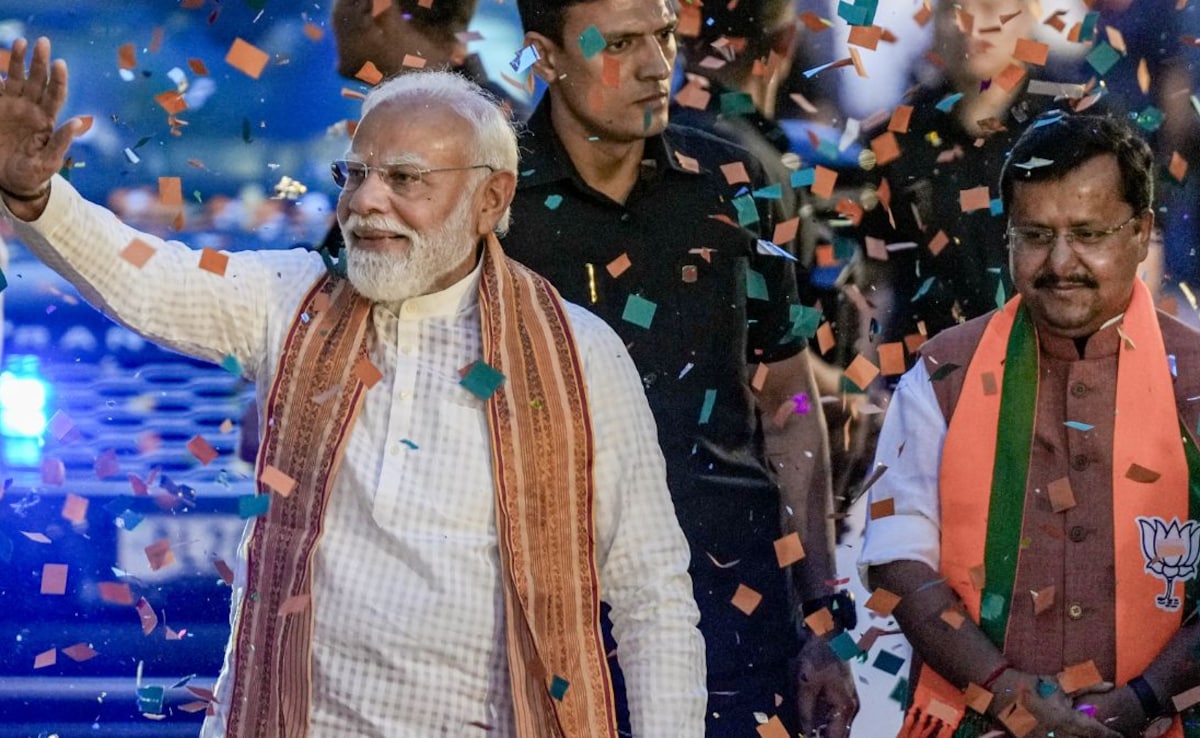
In Bengal , anti-incumbency was the driving power in this election. The BJP is likely to end up winning more than 200 of the 294 seats in Bengal. The Trinamool is ahead in less than 90 seats, a fraction of its massive score of 215 seats in 2021.
Tamil Nadu, where the election was expected to pivot on governance, welfare measures and Hindi imposition, has pulled all stops to vote for Vijay. The Tamilaga Vettri Kazhagam or TVK is ahead in 108 of the state's 234 seats. The DMK-Congress alliance is ahead in 72 seats and the AIDMK is a distant third, being ahead only on 53 seats.
Kerala, the country's most literate state and the initiator of the revolving door mandate, has gone back to its default mode after a term of deviation. The state has brought in the Congress and shown the door to the Left-led LDF.
In Assam , Chief Minister Himanta Biswa Sarma is leading the BJP towards a third consecutive term. The ruling alliance is leading in 101 of the state's 126 seats heading for a comfortable majority. The Congress is ahead in only 22 seats, a drop from its 2021 score of 31.
In Puducherry, which has a 30-member assembly, the BJP and ally All India NR Congress are ahead in 17 seats - one up from its 2021 score of 16. Of these, the AINRC alone has gained nine seats.


