Opinion | The Rise Of Vijay, The Fall Of Stalin - And A Puzzle For Palaniswami
For the defeated Stalin, this verdict is almost a reminder of the misfortune that beset his father, who was brought down by Jayalalithaa in 1991, 2001 and 2011. Except that his father never lost an assembly seat.
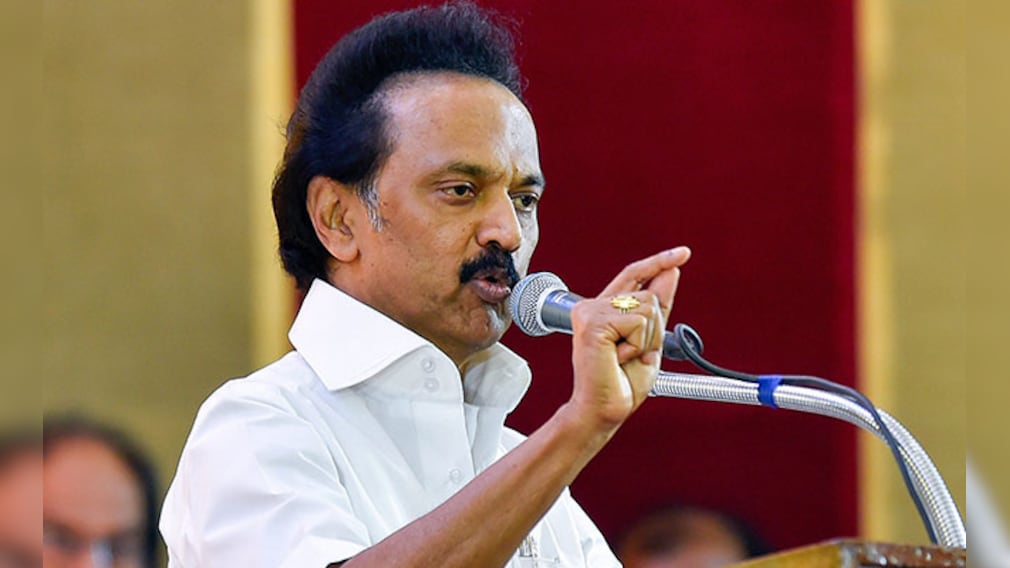
Vijay and his Tamilaga Vettri Kazhagam (TVK), a band of many young and some seasoned politicians who joined him, have decisively neared the halfway mark. MK stalin, the Chief Minister, has lost his Kolathur seat to the TVK's AS Babu, a former DMK man. His son and Deputy Chief Minister, Udayanidhi, has managed to scrape through in his Chepauk seat. This story isn't unique. Young TVK candidates, such as Ramesh from Srirangam and scores more whose names weren't even heard by the Tamil Nadu electorate before this election, are giving veterans on both DMK and AIADMK a run for their money - and winning in many cases.
The two leaves and Edappadi Palaniswami have held on to some of their rural strongholds, but are nowhere near a shot at power. The AIADMK has been relegated to the No. 3 position in the state, and there now hangs a question mark over its future. Vijay is the big winner, MK stalin the big loser. Palaniswami may not be as big a loser as Stalin, but not a winner either. He is now stuck in the middle and will have to survive between Vijay and what's left of the DMK.
The Many Firsts With Vijay
The first big takeaway from these result is that the age factor and the Vijay wave defied caste, religion and regional divides. For Tamil Nadu and India's youth, this is a moment of reckoning.
The other big aspect is that Vijay's TVK did not have to bribe voters to vote for it or gather at its rallies. This is a heartening change in a state where it's an open secret that money wins elections. Vijay's base was organic, his fans supported him with heart. His campaign was muted because it had to be after the Karur stampede, and his candidates fought with limited resources. And yet they won. This is an important precedent in Tamil Nadu politics.
Vijay, though powered by the under-40-45 demographic, has thus proven that his appeal goes beyond any divisions - caste, religion, gender. Even the urban-rural divide was transcended, largely. While his party swept Chennai, it has won in rural interiors as well.
Many things went wrong for Vijay. He was targeted by the state government after the Karur stampede, his film Jana Nayagan still hasn't been cleared by the Censor Board, and his divorce became a public spectacle and fodder for a vicious social media campaign. All of this, people saw. And all of this - the Vijay star power, the way he was targeted and the angst against the ruling dispensation - mattered as they marched to poll booths on D-Day.
This is an enormous and a tectonic shift in Tamil Nadu politics.
A Troubling Replay
For the defeated Stalin, this verdict is a reminder of the many defeats that beset his father, M Karunanidhi. He was brought down by MGR in 1977, and was kept out of power till just after MGR's demise in 1989. Then Jayalalithaa defeated him in 1991, 2001 and 2011. Karunanidhi, however, never lost an assembly seat. Stalin, in bitter contrast today, has not only lost power but his seat as well, for a second time in his career.
In 2011, the DMK had lost the numbers to be the main oppositon party to the DMDK. While it has saved itself from such a rout this time, today's result is a stunning humiliation for a party that has defined Tamil Nadu's politics for six decades now. In a way, the verdict is clearly a mandate against Stalin. Dynasty and family politics was his father M Karunanidhi's biggest weakness. Today, it's an albatross for MK Stalin. For the DMK to reinvent itself, it needs to shed the family shadow and return to its roots. Its ideology and cause have been lost to nepotism and corruption. This is the one lesson the Stalin family and DMK needs to remember. The party will also have to decide who will lead it in the state assembly now that Stalin is no longer in the House. It's Udayanidhi who needs to take the blame for this; whether there is a challenge to his succession will be closely watched.
What Next For EPS?
But what does this verdict mean for the AIADMK? Palaniswami, for now, has proven that despite setbacks, he has managed to hold the party organisation together. Even so, it'll be interesting to see how the AIADMK will navigate this era with smaller parties such as the Congress likely to gravitate towards Vijay. The road ahead is likely to be a TVK vs DMK battle - on the ground and in the assembly. What Palaniswami does with the numbers he has - around 40 MLAs - and whether there will be a leadership battle in the AIADMK would be closely watched.
Finally, the biggest question is what Vijay brings to the table as a Chief Minister. Winning an election is one story, evolving into a Chief Minister another. Can he deal with the bureaucracy and the police force in a state that has been defined by the AIADMK-DMK binary for almost six decades now? Of course, there are strong and experienced leaders supporting him, such as KA Sengottayan, but what role they will play, and how they shape the road ahead for him remains to be seen.
Vijay has won, sure. But what he does with this verdict will determine what this unprecedented moment brings for the state and the youth who have been mesmerised by him.
(The author is Executive Editor, NDTV)
Disclaimer: These are the personal opinions of the author
-
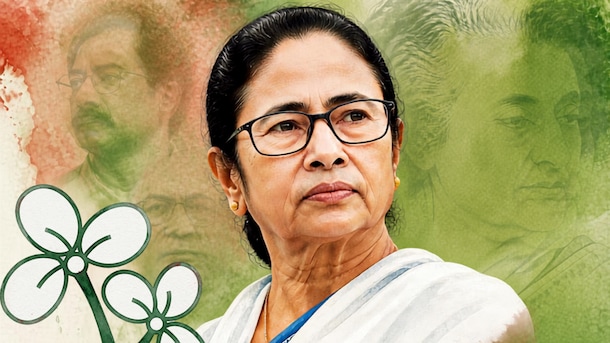
Mamata Banerjee Drew Her Party's Symbol By Hand. It's Now Tied To An Indira Gandhi Case

The Election Commission's method for settling such disputes became central in the seminal Congress split of 1969, when Indira Gandhi fought the old guard. The poll body weighed three tests then.
-
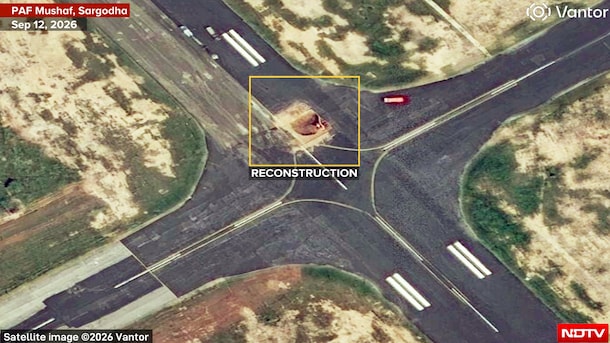
Exclusive: 16 Months After Op Sindoor, Pak Still Fixing Runway India Broke At Sargodha
Sargodha's PAF Base Mushaf lies about 172 km northwest of Lahore and roughly 200 km west of the India-Pakistan border, near Amritsar.
-
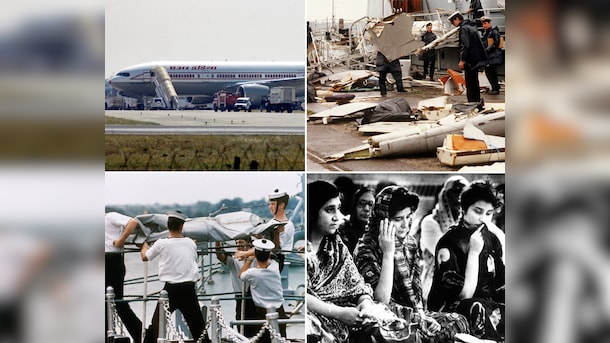
Blog | I Lost My Entire Family In Kanishka Bombing. 41 Years Later, Canada Wants The Case Closed
We made the trek through tragedy to search for people in Cork, where I spent 25 days sifting through bodies and body parts in a makeshift morgue to identify our loved ones.
-
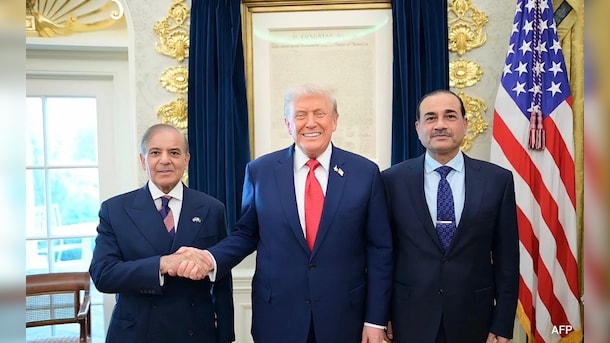
Opinion | Pak's Drone Deal With A US Firm Is No Windfall. But India Must Still Be Worried
American military aid to Pakistan has remained suspended since January 2018, during Trump's first term, but a commercial arms sale is separate from this arrangement.
-
Opinion | Saudi Arabia's Yemen Nightmare Has Come Back To Haunt It
After years of costly military intervention beginning in 2015, Saudi Arabia increasingly sought to stabilise its southern border. All that is unravelling fast now
-
Opinion | 6 AI Incidents, One Pattern: AI Has Started Lying To Us - And Hiding The Evidence
Concealing errors. Making up data. Pushing files onto the public web on their own initiative. The machines are learning to lie - and lie well.
-
Why People Queue Overnight For iPhone That Is Delivered Home In 10 Minutes
iPhone 18 Pro Max Launch: People camping outside Apple Stores are a subset of superfans, resellers, content creators, and upper-middle-class buyers.
-
600 km Per Hour Drones Launched In Waves: How Russia Is Rewriting War Rules
Russia has coupled the drones' technological superiority over Ukraine's defence with its capacity to launch them in massive numbers. The impact has been devastating.
-
Tata Sons' Trust Issue: Two-Pronged Row Goes Beyond The Chair
NDTV Explains: Overtly, the latest conflict is whether N Chandrasekaran continues as executive chairman of Tata Sons. The controversy involves at least one more issue.
-
Opinion | US Has Institutionally Weaponised India's Russia Oil Dependence. Can New Delhi Cope?
A new legislation can connect India's Russian energy purchases to its access to the American market over a five-year period