





In the run-up to Raksha Bandhan, online shopping platforms have recorded 20X surge in orders. Discounts, wider choices, and doorstep delivery have made online shopping part of the festive routine for consumers across the country.
For many consumers, especially during festivals, shopping is not simply about finding the cheapest product. They want to see the product. Compare it. Bargain. Pick it up and take it home immediately. There is also the social side of shopping that a phone screen cannot fully replace.
Markets in Delhi such as Chandni Chowk, Sadar Bazaar, Karol Bagh, Lajpat Nagar and Rajouri Garden have seen heavy crowds for Raksha Bandhan. CAIT estimates Delhi alone could account for around Rs 4,000 crore of the rakhi business.
The Confederation of All India Traders (CAIT) expects the wider festive trade to cross Rs 30,000 crore across India. This includes gifts, sweets, apparel, electronics, dry fruits and other festive products. The rakhi segment alone is estimated at around Rs 25,000 crore.
The sales projections proved that despite the online boom, traditional retail continues to have a strong place in festive spending.
But what about shopping malls?
If e-commerce offers convenience and traditional markets offer familiarity and value, malls are trying to sell something else -- an experience.
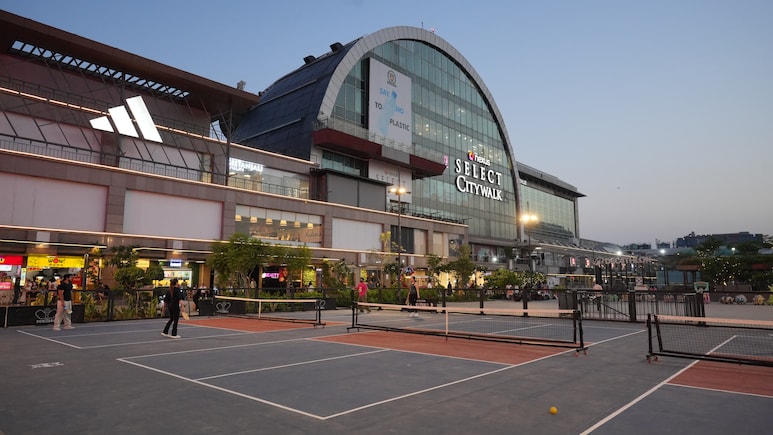
Nishank Joshi, Chief Marketing Officer, Nexus Select Malls, told NDTV that the growth of e-commerce has not reduced the relevance of malls.
"The rise of e-commerce has not diminished the role of malls as shopping destinations," Joshi said. According to him, online shopping has instead made consumers more informed and discerning, while strengthening the appeal of organised retail spaces that offer choice, discovery, immediacy and trust.
The numbers from Nexus Select Malls point in the same direction. Joshi said consumption across the portfolio grew 17 per cent year-on-year, while footfalls increased 5 per cent in the first quarter.
The growth was not limited to one category. Fashion, the largest consumption category for the portfolio, recorded double-digit growth, while electronics and jewellery also performed strongly.
These are categories where consumers often want to touch, feel, compare and experience a product before buying it. This is one of the biggest advantages malls have over e-commerce.
A customer may browse ten phones online. But when it comes to buying an expensive smartphone, jewellery item or fashion product, walking into a store can still provide a level of confidence that an online listing cannot for many.
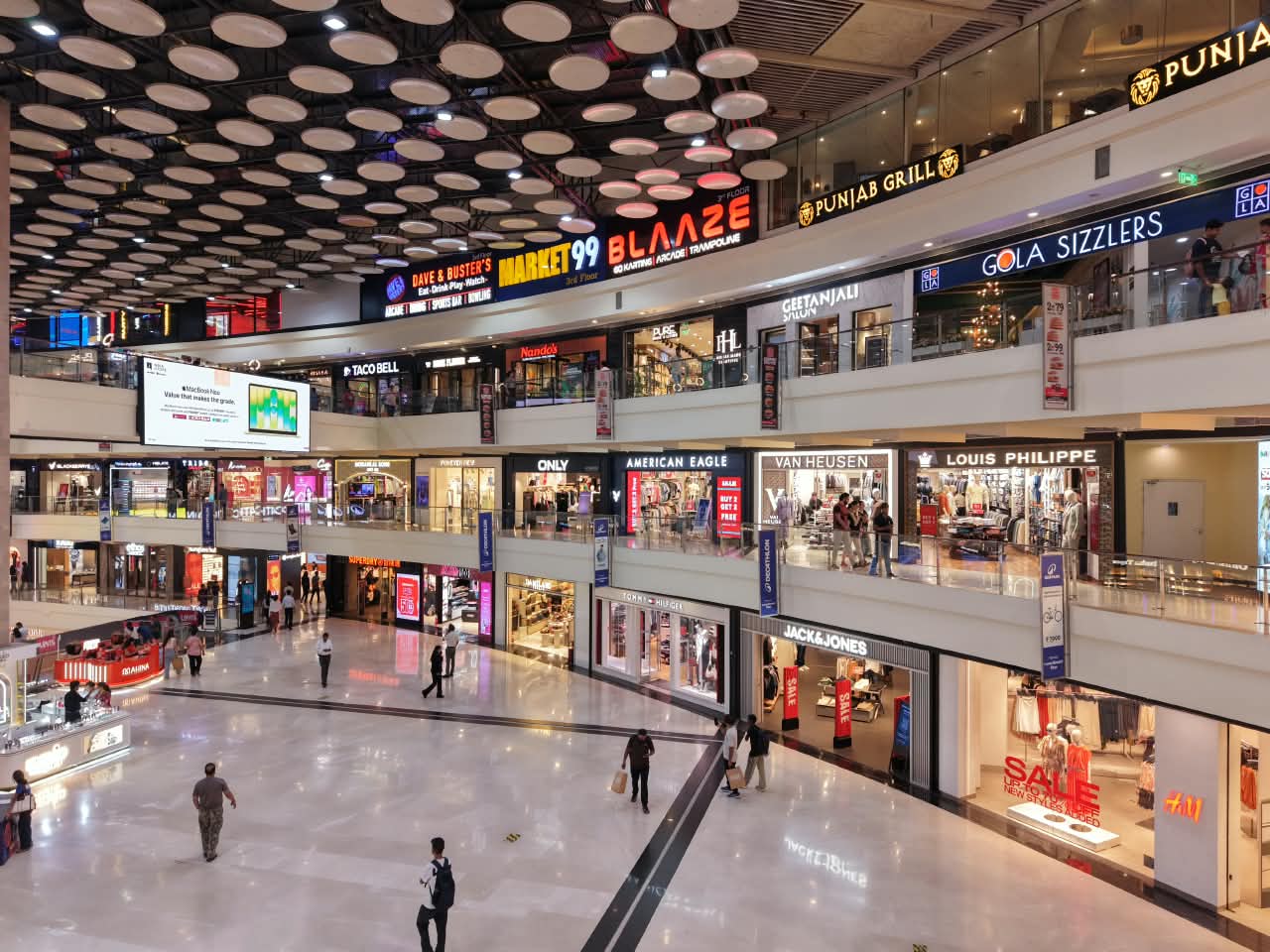
Photo Credit: Pacific Tagore Garden
'Malls Are Selling More Than Shopping'
The modern mall is also moving away from being just a collection of stores. Dining, entertainment and family outings have become a bigger part of the experience.
Joshi said a shopping trip today can extend into dining, entertainment and shared experiences with family and friends. These activities, he argued, do not replace retail. Instead, they increase engagement and create more opportunities for consumption.
This distinction could become particularly important during the festive season. A family may enter a mall to buy clothes. They may then have lunch, watch a movie, buy a gift, pick up groceries and spend a few more hours there.
The transaction is only one part of the visit. Abhishek Bansal, Managing Director, Pacific Group, also sees physical retail evolving rather than disappearing. "The rise of online commerce has not made physical retail less relevant; it has changed what consumers expect from it," Bansal told NDTV.
Online platforms, he said, win on convenience, choice and speed. Malls offer something different -- experience, discovery and connection. "Today, people do not visit a mall only to complete a transaction," Bansal said. He added, "They also visit to discover brands, spend time with family and friends, dine, be entertained and experience a sense of community."
Online vs Offline
For years, the shopping debate has been framed as a fight between e-commerce and physical stores. That may no longer be the right way to look at it. A consumer can discover a product on Instagram, compare prices on an e-commerce platform, visit a mall to see it in person and eventually buy it online.
The reverse can also happen. A shopper may see a product at a mall and later order it digitally. Joshi described this as an omnichannel consumer journey, where online and offline retail complement each other rather than operate as completely separate worlds.
Bansal echoes. "The future, therefore, is not about online versus offline. It is about how seamlessly the two work together," he said.
Track Latest News Live on NDTV.com and get news updates from India and around the world

