India's electric mobility transition is showing measurable gains across two-wheelers, three-wheelers, buses and commercial vehicles, with the government's PM Electric Drive Revolution in Innovative Vehicle Enhancement (PM E-DRIVE) scheme emerging as a key mechanism supporting this growth.
The latest data on the scheme was presented on Friday, September 25, by Suneet Shukla, CGM, IFCI Ltd, during the "PM E-DRIVE: Dialogue with the Industry" held at the International Centre for Automotive Technology (ICAT), Manesar. The event was organised as part of ICAT's 20-year celebrations and brought government, industry and technology stakeholders together to discuss India's electric mobility ecosystem.
The presentation offered a detailed snapshot of how the scheme is progressing across different vehicle segments, charging infrastructure and automotive testing capabilities.
e-2W adoption approaches 10%
One of the most significant numbers presented was the increase in electric two-wheeler penetration.
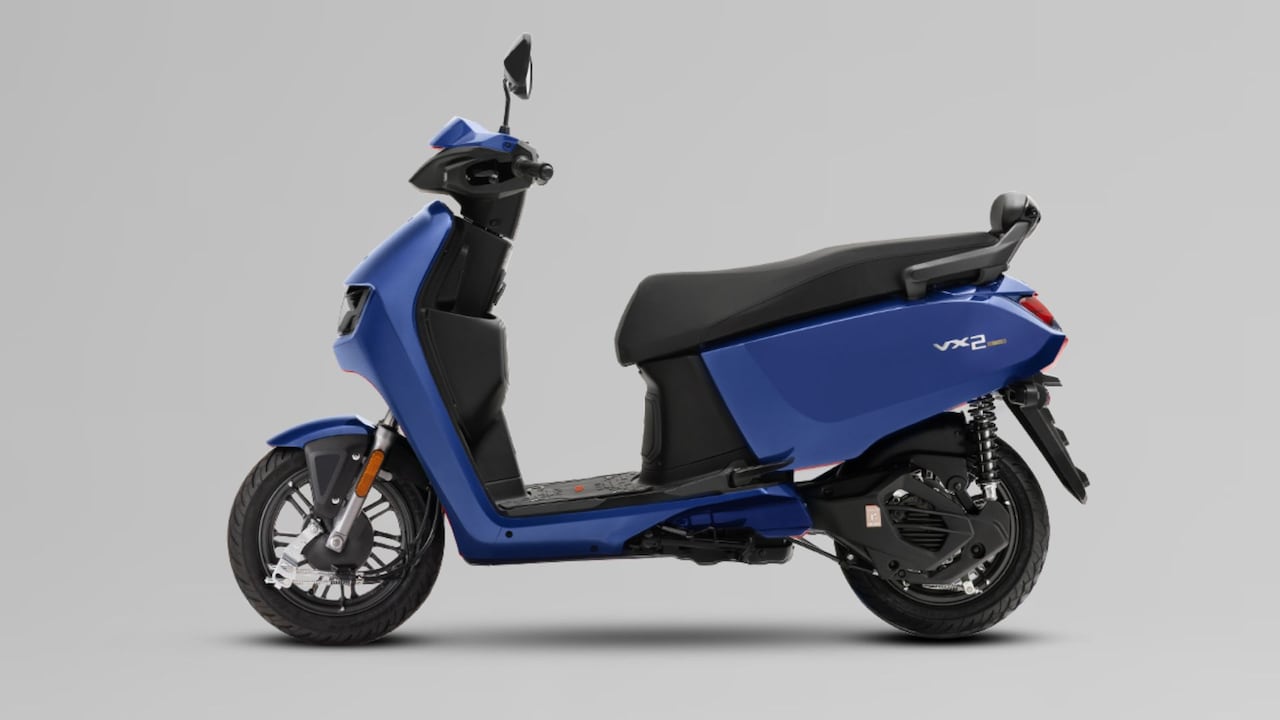
According to the data presented by Shukla, e-2W penetration rose from 1.9% in FY2021-22 to 6.6% in FY2025-26. In the first five months of FY2026-27, from April to August, penetration reached 9.9%.
The government has also substantially expanded the target under PM E-DRIVE. The original e-2W target of 24.8 lakh vehicles has been increased to 45.8 lakh vehicles, with the scheme extended until March 31, 2028.
The e-2W component has an allocation of Rs 2,767 crore. There are currently 21 registered e-2W OEMs and 170 approved models under the scheme.
Also Read: Tata Aeris Launched In India At Rs 5.29 Lakh; Rivals Maruti Suzuki Dzire
The latest PM E-DRIVE dashboard also shows the scale of adoption under the scheme. As of September 19, 2026, more than 25 lakh e-2Ws were recorded as sold under PM E-DRIVE through the Vahan-linked data, against the scheme's target of 45.79 lakh.
Electric three-wheelers show even sharper transition
The data for electric three-wheelers is particularly notable.For L5 electric three-wheelers, penetration increased from 4.7% in FY2021-22 to 31.7% in FY2025-26. In April-August of FY2026-27, the figure reached 46.1%.
The L5 component of PM E-DRIVE has an allocation of Rs 857 crore, with a target of around 2.89 lakh vehicles. However, unlike other components, the L5 incentive was closed on December 26, 2025, after the targeted sales numbers were reached. The official PM E-DRIVE portal confirms that the L5 component was closed on that date.
Also Read: Jetour T2-Based JSW Combat Spied Next To Mahindra Thar Roxx: Presence Check
The development highlights the particularly rapid adoption of electric three-wheelers in India's commercial and last-mile mobility ecosystem.
Nearly 14,000 electric buses in the pipeline
Public transport is another major focus of the scheme. PM E-Drive has earmarked Rs 4,391 crore for 14,028 electric buses. The presentation showed that tenders for 13,800 buses have been concluded across Bengaluru, Delhi, Hyderabad, Ahmedabad, Surat, Mumbai and Pune.
Bengaluru accounts for 4,500 buses, Delhi 2,800, Hyderabad 2,200, Ahmedabad 1,200, Surat 600, Mumbai 1,500 and Pune 1,000. The scheme's official data also shows e-bus penetration rising to 8.32% in FY2026-27 up to August 31, compared with 7.20% in FY2025-26.
The government had earlier confirmed that 13,800 of the 14,028 targeted e-buses had been allocated in two phases.
Commercial vehicles enter the next phase
PM E-DRIVE is also extending support to electric trucks. The scheme has allocated Rs 500 crore for e-trucks, targeting more than 5,600 vehicles. The eligible categories are N2 and N3, with a maximum ex-factory price criterion of Rs 1.25 crore and a requirement for a scrapping certificate from an authorised Registered Vehicle Scrapping Facility.
Also Read: Toyota Land Cruiser To Mercedes G-Class: Bids Begin To Replace British Army's Land Rovers
The presentation showed PM E-DRIVE certification for electric truck models from IPL Tech and Tata Motors, indicating that the commercial vehicle segment is beginning to move beyond pilot deployments towards a more structured market.
Charging infrastructure gets Rs 2,000 crore
A major part of the scheme's architecture is infrastructure.
PM E-DRIVE has allocated Rs 2,000 crore for public EV charging infrastructure. The presentation showed proposals worth Rs 729.34 crore approved for 7,254 chargers across states and public-sector oil companies.
Karnataka received approval for 1,571 chargers, Delhi for 1,146 and Rajasthan for 805. Oil marketing companies including HPCL, BPCL and IOCL are also part of the deployment.
This is significant because increasing EV penetration requires charging infrastructure to expand alongside vehicle sales.
Testing infrastructure receives major upgrade
The scheme is also directing funds towards the less visible but critical part of the EV ecosystem: testing and certification.
The presentation showed Rs 776.29 crore approved for upgrading ARAI Pune, ICAT Manesar, GARC Chennai and NATRAX Indore.
The upgrades include capabilities such as four-wheeler chassis dynamometers, battery cell cyclers for accelerated life evaluation and EMI/EMC testing laboratories.
A broader EV ecosystem
PM E-DRIVE was initially approved with an outlay of Rs 10,900 crore and was subsequently expanded/extended, with the current scheme structure showing a Rs 11,900-crore outlay. It covers demand incentives as well as buses, trucks, ambulances, charging infrastructure and testing facilities.
The numbers presented at ICAT@20 provide a picture of an EV programme that is increasingly moving beyond simply reducing the upfront cost of an electric vehicle. The data points to rising adoption in high-volume segments, large-scale electric public transport procurement, the emergence of electric commercial vehicles, expansion of charging infrastructure and investment in testing capabilities.
For India's automotive industry, the next phase will therefore be less about establishing whether electric mobility has arrived and more about how quickly the ecosystem around it - manufacturing, charging, testing, financing and fleet deployment - can scale with demand.
Track Latest News Live on NDTV.com and get news updates from India and around the world
