-
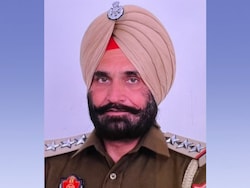
Punjab Counter-Intelligence Inspector Arrested With 3 kg Heroin, Guns
The arrest has raised serious questions as the officer, who was posted in a unit responsible for tackling drug trafficking, has himself been accused of possessing a large quantity of heroin and illegal weapons.
-

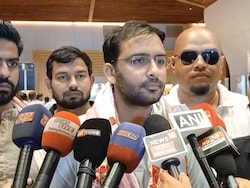
CJP'S Ashutosh Ranka To Meet Assam Families Affected By Voter List Revision
The CJP spokesperson said the group's movement was gaining momentum in Assam and other northeastern states.
-
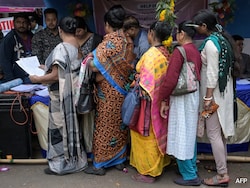
Amid Delhi SIR Row, Deadline For Claims, Objections Extended To October 30
According to the Commission, the deadline for filing claims and objections in Delhi has been extended to October 30. The deadline for the disposal of notices, claims and objections has been extended to November 30.
-
INDIA Bloc To Meet On September 30, Removing Gyanesh Kumar Main Agenda
INDIA Bloc To Meet On September 30, 'Remove Gyanesh Kumar' Main Agenda
-
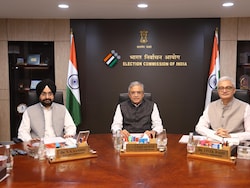
Gyanesh Kumar, Election Commissioners Meet, Poll Body Issues Clarifications
Full commission meeting comes amid a row over media reports that Gyanesh Kumar faced dissent within the EC from commissioners Sukhbir Sandhu and Vivek Joshi on decisions related to the Special Intensive Revision (SIR) of electoral rolls.
-
How 'Devrani-Jethani' Battle Propelled Congress To Victory In Key Rajasthan Poll
The Congress eventually emerged victorious, with its candidate Vinita Punia winning the post. But the road to the result was anything but straightforward.
-
19 Die After Drinking Fake Liquor In Nagaland, Probe Confirms It Had Methanol
Over the past two weeks, several people have died in Nagaland due to the consumption of spurious liquor. The tragedy first came to light on September 24, when four died and another four fell ill in Mangkolemba.
-
'They Will Kill Me, Mom': Woman, 22, Found Dead At Guwahati Homestay, Male Friend Arrested
Protesters raising "love jihad" allegations blocked a road as the woman's family friend said she had called her mother in the night to say she was in danger
-
Analysis: Can A Splintered Opposition Still Get Muslim Vote Against BJP In Bengal?
In 2021, Muslim voters were the strongest pillar of the Trinamool Congress. CSDS-Lokniti put the community's support for the party at 75 per cent, up from 70 per cent in 2019 and 51 per cent in 2016.
-
Workers Were Cleaning A Plot In Bengaluru, Dug Up 28-Year-Old Woman's Murder
Sagar Rawat allegedly killed his wife Anasuya on August 11 and dumped the body at a vacant plot. The body was found 20 days later
-
Eggs, Stones Thrown At Mamata Banerjee MLA Kunal Ghosh's Car In Bengal
The video showed Kunal Ghosh sitting in the car while the mob banged at the car, threw eggs and stones, while raising "Kunal Ghosh go back" slogans.
-
'Heard Screams From Girls Hostel': 'Ghost' Rumour Triggers Massive Protests At Punjab University
Hundreds of students at Patiala's Chitkara University took to streets after a video claiming the presence of a 'ghost' on campus went viral on social media.
-
Maharashtra Declares Drought In 74% Of State, 265 Of 358 Talukas Affected
Trigger-1 is the first stage in the state's drought framework, activated by a rainfall deficit of more than 25 per cent combined with a prolonged dry spell of 21 days.
-
Premanand Maharaj's Disciple Falls To Death From UP Ashram, Suicide Suspected
The police died after he allegedly fell from the fourth floor of the Guru Kripa Kunj Ashram.
-
Analysis | Rajasthan Civic Polls: BJP's Big Win, Cross-Voting, Congress Infighting
Cross-voting altered the political arithmetic in several local bodies, with both Congress and BJP having to bear the consequences.
-
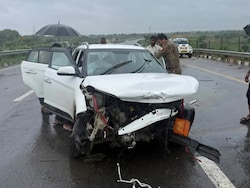
3 Killed, 2 Injured After Speeding Car Overturns On Lucknow-Agra Expressway
All five men, residents of Delhi, were travelling to Ballia for some work when the accident occurred at around 7:30 am in the Dauki police station area.
-
"Sangh Parivar vs Gandhi Parivar": Revanth Reddy's Remarks Invite BJP Retort
Revanth Reddy declared that his remaining political ambition was to see Congress leader Rahul Gandhi become Prime Minister
-
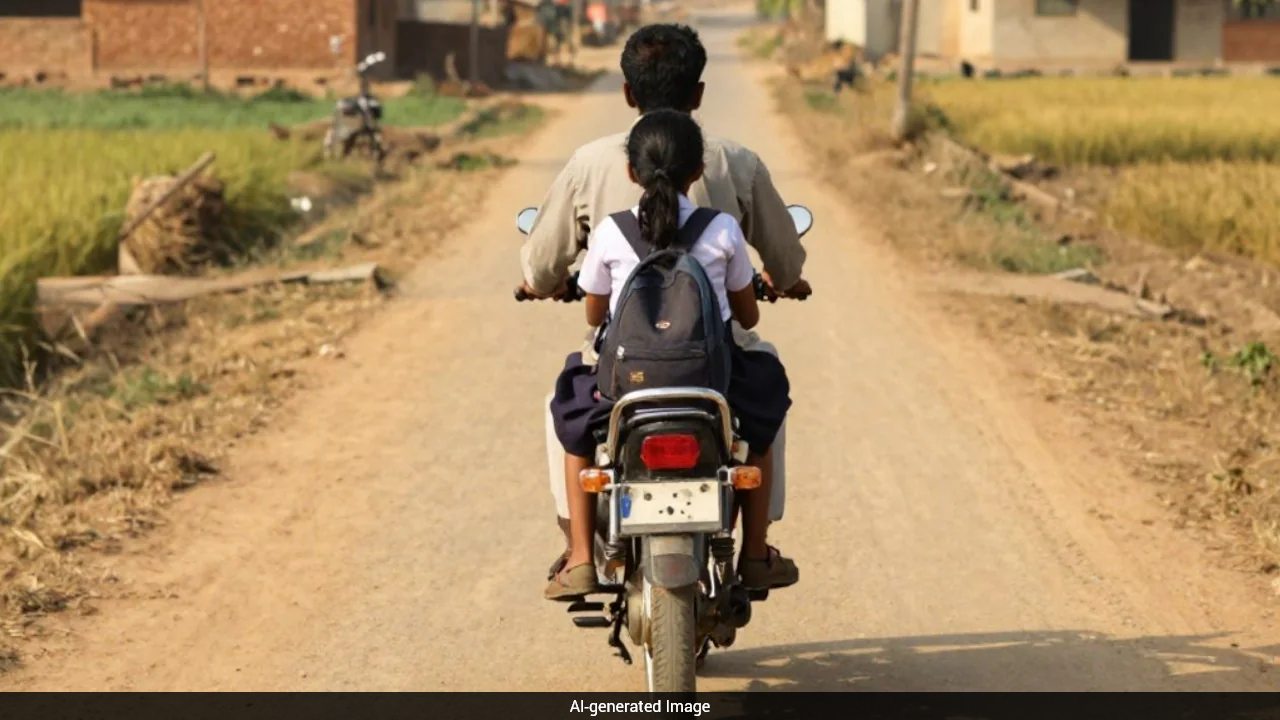
Minor Girl Alleges Sexual Assault By Bihar Man, His Friend After Lift Offer
According to police, the girl had gone to school to appear for an examination on September 23 and was returning home when a man from her village offered to drop her off on his motorcycle.
-
Bihar 'Cop' Throws Man Off Train Over Rs 20,000 'Fine' For Smoking
The case came to light after 21-year-old Nitin Kumar, a resident of Vaishali district, called his family and told them that he had been taken off the train for smoking.
-
Chandigarh Cop Shot Dead By Teen Son Had Told Him To Wait Till 21 To Marry Lover
Nitin Singh was found dead at his government residence with a gunshot injury to his head on Friday, a day after he had an argument with his 18-year-old son.