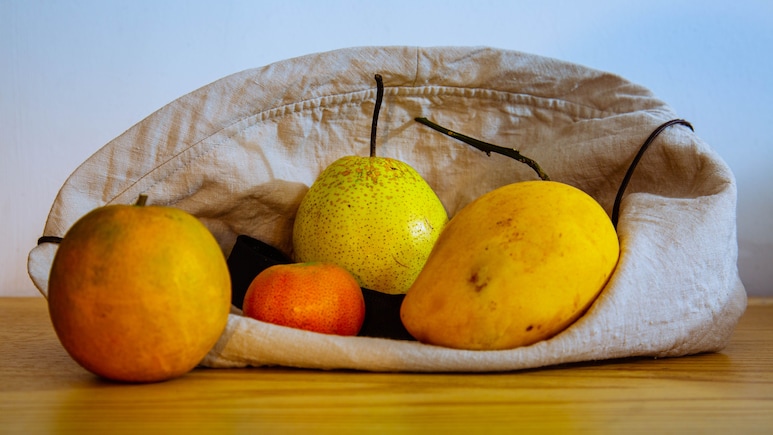
Travelling outside the country comes with many 'we should carry it' lists. We take along a few familiar things from home, and carry something to eat - especially if it's a long journey. Most of us pay attention to baggage limits, passport checks and customs allowances, but may not think twice about the food tucked away in their bags. However, what may look like an ordinary travel snack could attract a different set of rules once you cross an international border. These regulations have a specific purpose, and understanding them can save travellers an unnecessary hassle at the airport.
ALSO READ | Why Harry Potter Fans Can't Stop Talking About This 9th-Century German Town
What Is Biosecurity And Why Does It Matter?
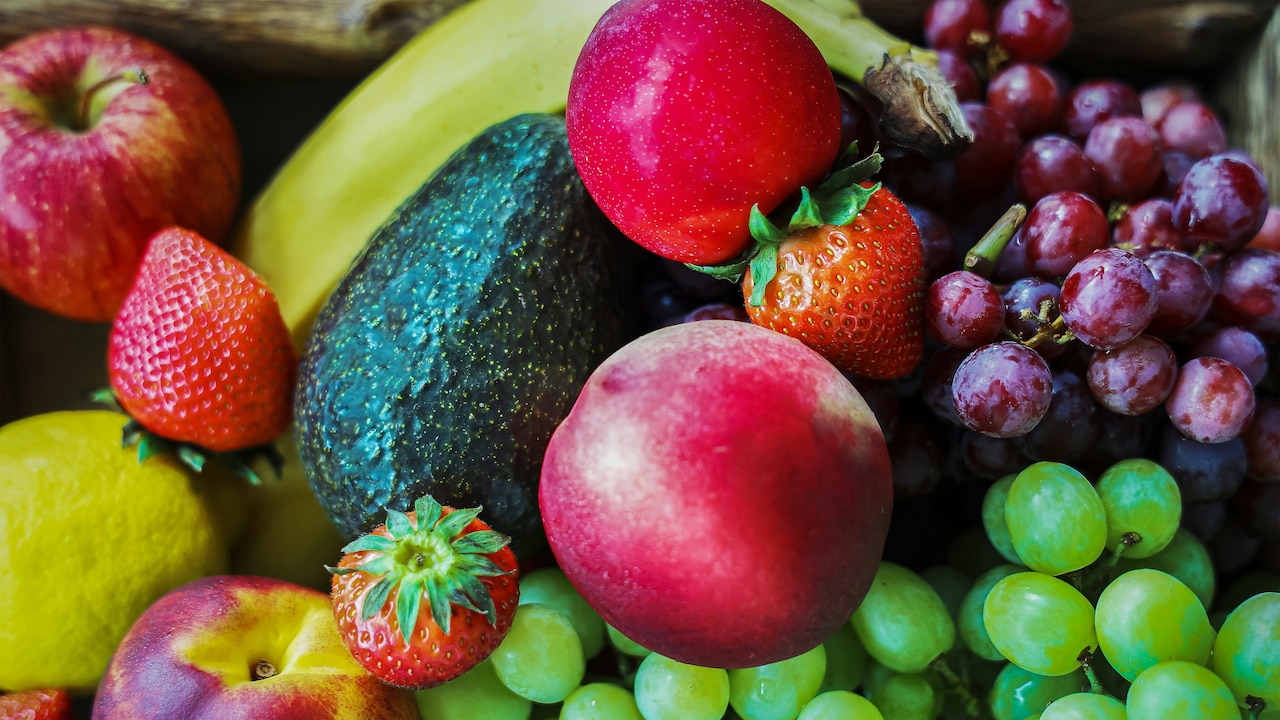
Photo: Unsplash
Biosecurity refers to the steps a country takes to prevent harmful pests, diseases and other organisms from entering its territory. In simple language, it is about protecting local plants, animals, crops and the natural environment.
A fruit that you bring along may carry tiny insects or their eggs that are difficult to spot. Seeds, plants and even soil can also contain pests or disease-causing organisms. If these enter a new environment, they could spread and affect local agriculture and wildlife. This is why many countries have strict rules on food and agricultural products brought in by international passengers.
Why Are Fresh Fruits A Concern At International Airports?
Fresh produce can carry pests and plant diseases even when it looks clean and healthy. Some insects may hide inside the fruit, while others can be present on its skin. These risks are not always visible, making inspection important.
The rules can also depend on where the food comes from. A fruit allowed from one country may be restricted when brought in from another, depending on the pests and diseases associated with its place of origin.
What Do Different Countries Allow Travellers To Bring?
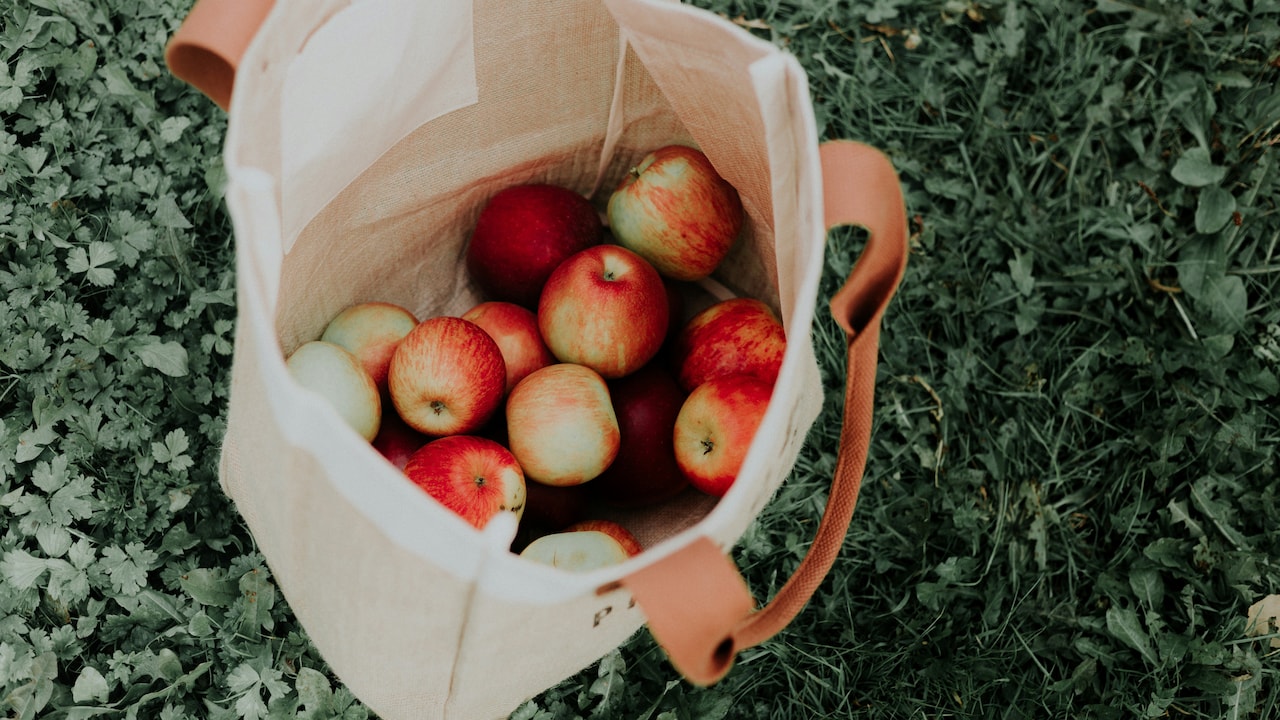
Photo: Unsplash
The rules are not the same everywhere. The United States places strict restrictions on the entry of many fresh fruits and vegetables brought by international travellers. Whether an item is permitted depends on factors such as the type of produce and its country of origin. This restriction also applies to fresh produce served on international flights. Travellers must declare agricultural products, even when they are unsure whether an item is permitted.
New Zealand requires passengers to declare all food, including fresh, dried, cooked and packaged products. Declaring an item does not automatically mean it will be confiscated. Officials inspect it and decide whether it can enter the country.
Australia also requires travellers to declare specified food, plant material and animal products on their incoming passenger card. Items may be inspected, treated or refused entry depending on the biosecurity risk.
ALSO READ | Video: British Traveller Calls Chandigarh One Of India's 'Most Refreshing Cities', Here's Why
What Should You Check Before Travelling?
These rules apply to passengers entering India, too. According to the Central Board of Indirect Taxes and Customs (CBIC), plants and their produce, including fruits and seeds, fall under restricted goods for import into India. Their entry is subject to applicable plant quarantine requirements. Certain plant products may also require documents such as an import permit or phytosanitary certificate, depending on the item and its origin.
Before packing food or agricultural products, travellers should:
- Check the official customs and biosecurity guidelines of their destination country.
- Avoid carrying fresh produce, seeds and plants unless they have confirmed that these are permitted.
- Not assume that sealed or commercially packaged food is automatically exempt from inspection.
- Declare food and agricultural products whenever required.
The consequences of ignoring these rules can be expensive. New Zealand, for instance, can impose an NZD 400 fine for failing to declare biosecurity risk items, even if the mistake is accidental.
When in doubt, it is best to declare the item and let the authorities assess it. It is much easier to explain what you are carrying than to deal with an avoidable fine or a problem at the border.
Track Latest News Live on NDTV.com and get news updates from India and around the world


