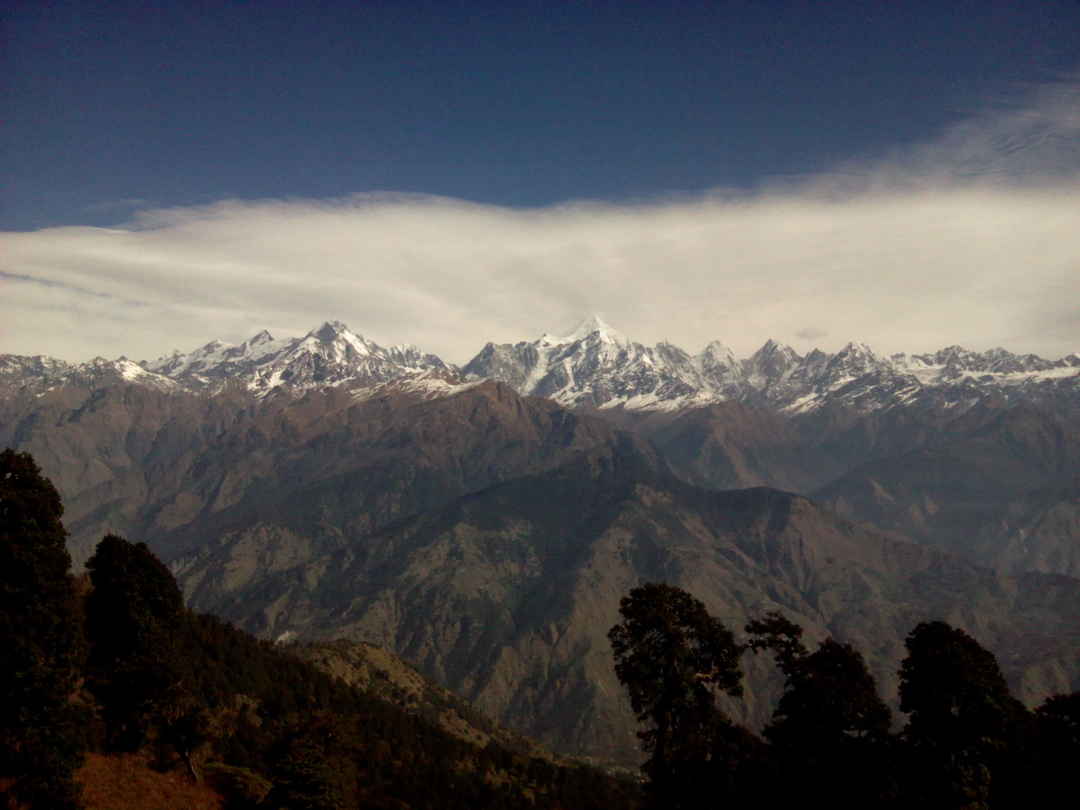
While everyone flocks to Manali, Shimla, and the usual suspects, there's a hidden gem in Uttarakhand that remains blissfully uncrowded. Munsiyari, sitting at 2,298 metres in the Pithoragarh district, is what Kashmir was probably like decades ago; pristine, peaceful, and breathtakingly beautiful without the tourist chaos. The locals call it "Little Kashmir," and once you see the snow-covered peaks reflecting morning sunlight, the emerald meadows rolling endlessly, and the silence that's so complete you can hear birds from kilometres away, you'll understand why. This isn't a place you visit once and tick off your list. Munsiyari gets under your skin. It's the kind of destination where first-timers plan return trips before they've even left. Maybe it's the view of the Panchachuli Peaks that dominates every angle. Maybe it's the simplicity of life here that makes your Delhi or Mumbai existence feel absurdly complicated. Or maybe it's just that rare combination of stunning natural beauty, genuine local warmth, and the feeling that you've discovered something special that hasn't been ruined yet. Let's explore why Munsiyari deserves to be your next Himalayan escape.
Also Read: This Waterfall Is Known As India's "Fall of Mist": How To Visit Jabalpur's Dhuandhar Falls
Why "Little Kashmir"?
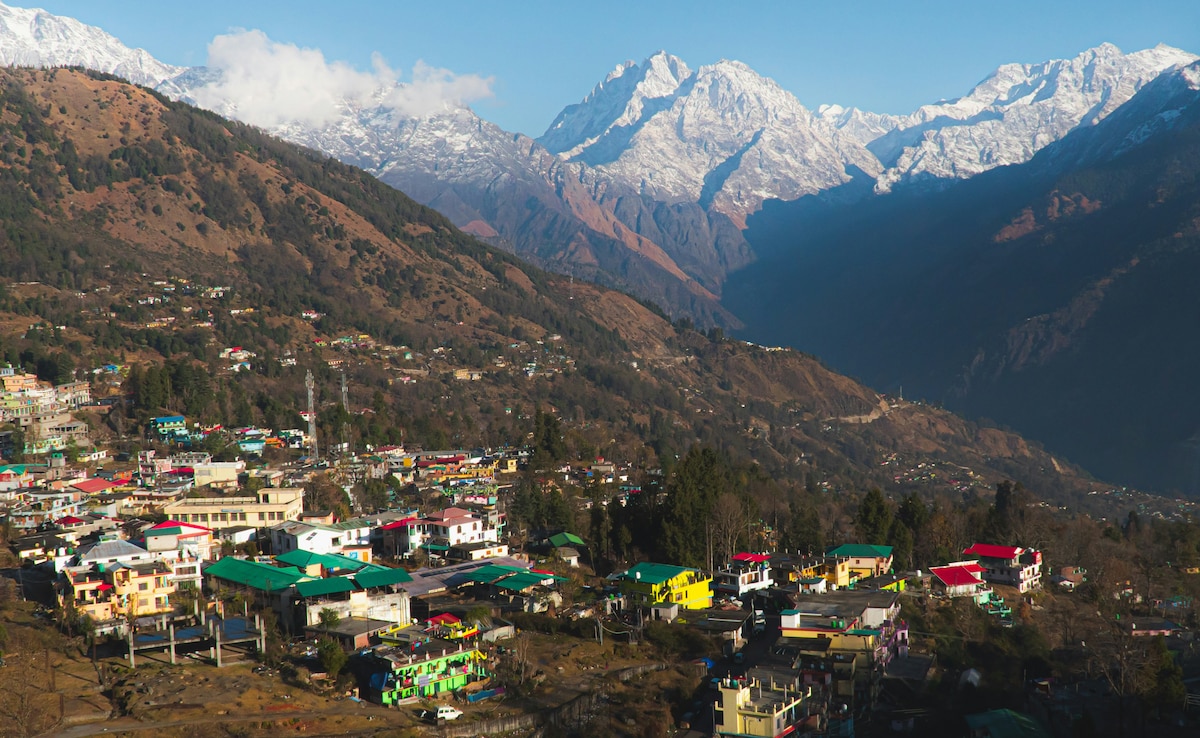
Photo Credit: Unsplash
The nickname isn't just marketing. Munsiyari genuinely shares Kashmir's landscape DNA, rolling meadows (bugyals), snow-capped peaks visible from every corner, pine and deodar forests, apple orchards, and that particular quality of light that makes everything look like a painting. But unlike Kashmir, which sees millions of tourists annually, Munsiyari remains relatively undiscovered. You get Kashmir's beauty without Kashmir's crowds, commercialisation, or complicated travel logistics.
The Panchachuli Peaks are Munsiyari's crown jewels. Five snow-covered mountains rising between 6,334 to 6,904 metres, visible from practically everywhere in town. According to Hindu mythology, the Pandavas cooked their last meal here before ascending to heaven, using five hearths (chulhas), hence "Panchachuli." Watching sunrise behind these peaks, when the first light turns them golden-pink, is genuinely spiritual. And if you're lucky, you'll see moonrise immediately after sunset, the full moon emerging right behind the same peaks. It's the kind of moment that makes you put your phone down and just watch.
What to Do in Munsiyari
1. Trek to Khaliya Top
This is Munsiyari's most popular trek, and for good reason. It's a moderate 6-kilometre trail through dense oak and pine forests that opens into vast alpine meadows at the top. The trek takes 3-4 hours depending on your fitness, and the payoff is enormous, 360-degree views of Panchachuli, Nanda Devi, Rajrambha, and Hardeol peaks, all snow-covered and impossibly beautiful.
In winter, Khaliya Top transforms into a snow playground. The entire trail is covered in pristine white snow, making it more challenging but exponentially more beautiful. Some locals offer skiing experiences here during peak winter. The meadows at the top, locally called bugyals, are perfect for camping. Spending a night here under stars that are so bright and numerous they look fake is an experience you won't forget.
2. Visit Nanda Devi Temple
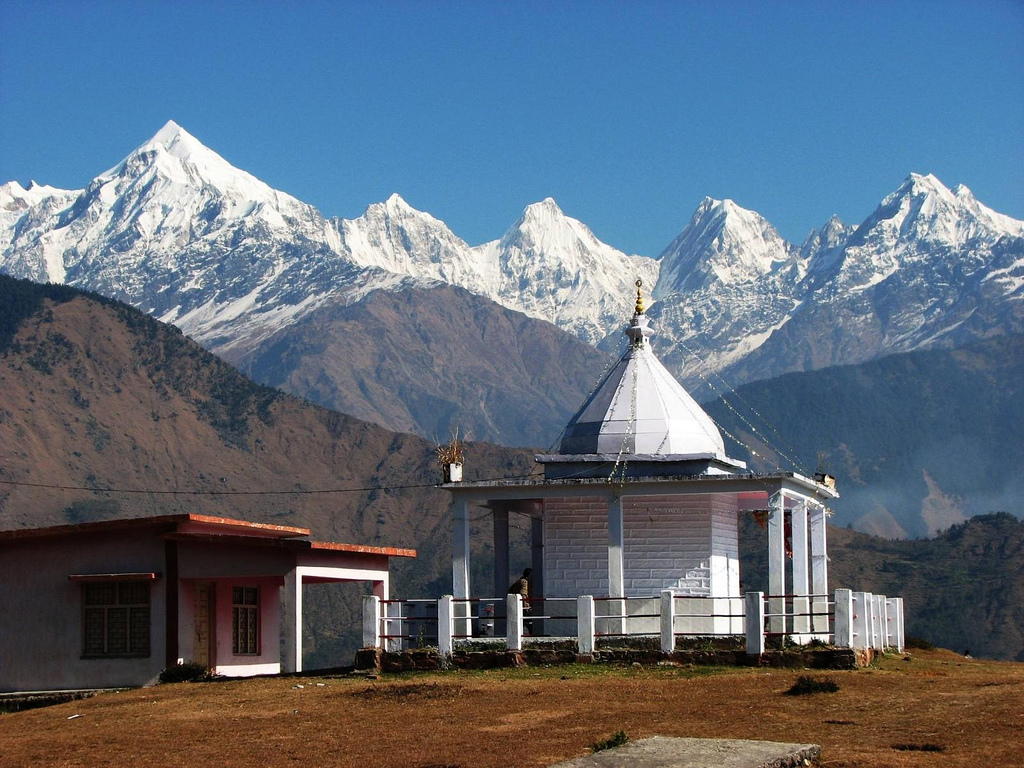
A short 3-kilometre trek from Munsiyari town takes you to this ancient temple dedicated to Goddess Nanda (Parvati). The temple itself is simple and beautiful, but what makes the trek worth it is the view. The Panchachuli Peaks form a stunning backdrop to the temple, and on clear days, the sight is almost too perfect to be real. Locals consider this spot highly auspicious, and the peaceful atmosphere makes you want to sit quietly and just absorb the beauty.
3. Explore Birthi Falls
About 35 kilometres from Munsiyari (en route from Thal), Birthi Falls cascades through dense forest. It's not the tallest waterfall you'll see, but the setting is gorgeous—lush greenery, the sound of water, and if you visit post-monsoon (September-October), the flow is powerful and impressive. It's a good spot for photography and picnics. The area around the falls has some lovely walking trails if you want to spend a few hours in nature.
4. Trek to Thamri Kund
This is a small alpine lake surrounded by forests, about 5 kilometres from Munsiyari. The trek is easier than Khaliya Top, making it perfect for families or those who want a gentle walk. In winter, Thamri Kund freezes, creating this ethereal scene of a frozen lake surrounded by snow-laden trees. The silence here is absolute—no traffic sounds, no human noise, just wind and birds.
5. Experience Local Culture at Darkot Village
Darkot is famous for hand-woven Pashmina shawls made by local artisans. Watching these craftspeople work on traditional looms is fascinating, and you can buy authentic Pashmina at much better prices than in tourist markets. The village itself offers a glimpse into traditional Kumaoni life—stone houses, terraced fields, people living simply but contentedly.
6. Soak in Madkot Hot Springs

About 30 kilometres from Munsiyari, these natural hot springs on the banks of the Gori Ganga River have high sulphur content and are believed to have healing properties. After trekking in cold weather, soaking in these warm springs while the river rushes by is incredibly relaxing. The springs are considered sacred by locals, adding a spiritual dimension to the experience.
7. Visit Tribal Heritage Museum
This small museum in Munsiyari town showcases the culture, lifestyle, and traditions of the local Bhotia and Shauka tribes. It's not a fancy museum, but it offers genuine insights into how people have lived in these mountains for centuries. The exhibits include traditional clothing, tools, handicrafts, and photographs documenting tribal life.
Also Read: From Manali To Alleppey, 9 Indian Destinations That Are Ideal For A Valentine's Day Holiday
8. Wildlife and Bird Watching
Munsiyari's forests are home to Himalayan black bears, leopards, musk deer, and foxes, though sightings require patience and luck. But bird watching is easier. You'll spot Himalayan Monals (state bird of Uttarakhand), Cheer Pheasants, Koklass Pheasants, Wagtails, Ravens, Falcons, and Himalayan Griffons. Early mornings are best for birding—the forests come alive with calls and songs.
Why Visit Munsiyari in Winter?
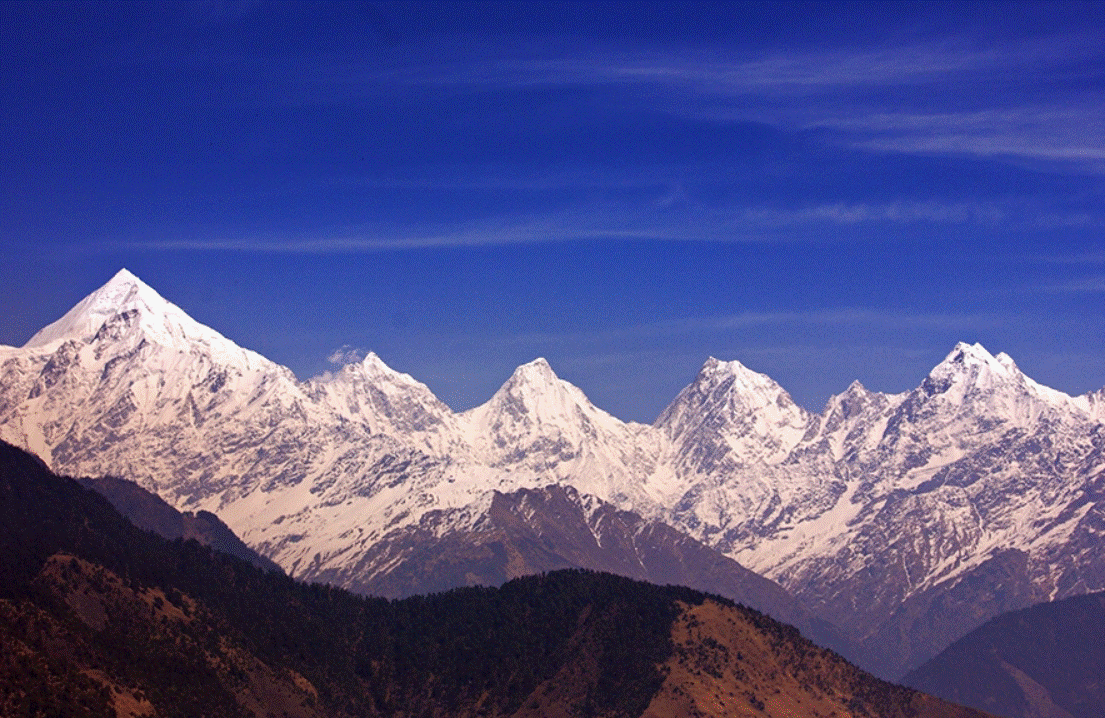
Winter (December to February) transforms Munsiyari into a white paradise.
Here's why it's actually the best time to visit:
- The Snow: By late December, heavy snowfall blankets everything. The town looks straight out of a fairy tale—white rooftops, snow-laden pine trees, frozen waterfalls, and the Panchachuli Peaks even more dramatic against clear blue skies.
- Fewer Crowds: Summer brings tourists, but winter Munsiyari is peaceful. You'll have trails to yourself, homestays will give you undivided attention, and the town retains its authentic character without tourist rush.
- Clear Skies: Winter offers the clearest views of mountain peaks. No clouds, no haze, just sharp, stunning visibility of the entire Himalayan range.
- Snow Activities: Skiing and snowboarding at Khaliya Top. Snowball fights. Building snowmen. Playing in snow like a child. Simple pleasures that city life denies us.
- Photography: Every corner is picture-perfect. Golden sunrise on snow peaks. Frozen lakes. Village scenes with smoke rising from chimneys. Star-filled night skies without light pollution.
- Warmth of People: Munsiyari's locals are incredibly welcoming, but in winter, you'll experience their hospitality intensely. Hot meals cooked with care, warm rooms prepared thoughtfully, stories shared around fires, chai offered constantly. When you're one of few tourists, you're treated like family.
- Authentic Experience: Winter strips away the tourist veneer. You see how locals actually live—how they cope with snow, what they eat, how they stay warm. It feels real, not performative.
How to Reach Munsiyari
By Air: The nearest airport is Pantnagar (around 275 km, 9-10 hours by road). Direct flights from Delhi to Pantnagar are available. From Pantnagar, hire a taxi or take a bus to Munsiyari.
By Train: Kathgodam railway station (around 275 km, 9-10 hours by road) is the nearest railhead. Well connected to Delhi, Lucknow, and other major cities. From Kathgodam, shared jeeps, taxis, and buses go to Munsiyari. Shared jeeps cost ₹500-700 per person. Private taxis around ₹3,500-4,500.
By Road: Munsiyari is accessible by road from major Uttarakhand towns:
- From Delhi: 550 km (12-14 hours)
- From Haldwani: 260 km (9-10 hours)
- From Almora: 170 km (7-8 hours)
- From Pithoragarh: 132 km (5-6 hours)
The roads are winding mountain roads, so the journey takes time. But the drive itself is scenic—passing through forests, mountain villages, and river valleys.
Winter Road Conditions: In heavy snow (January-February), roads can occasionally close for a day or two at Kalamuni Top (around 15 km before Munsiyari). Check weather and road conditions before traveling. Carry chains for tyres if driving yourself.
What to Eat in Munsiyari
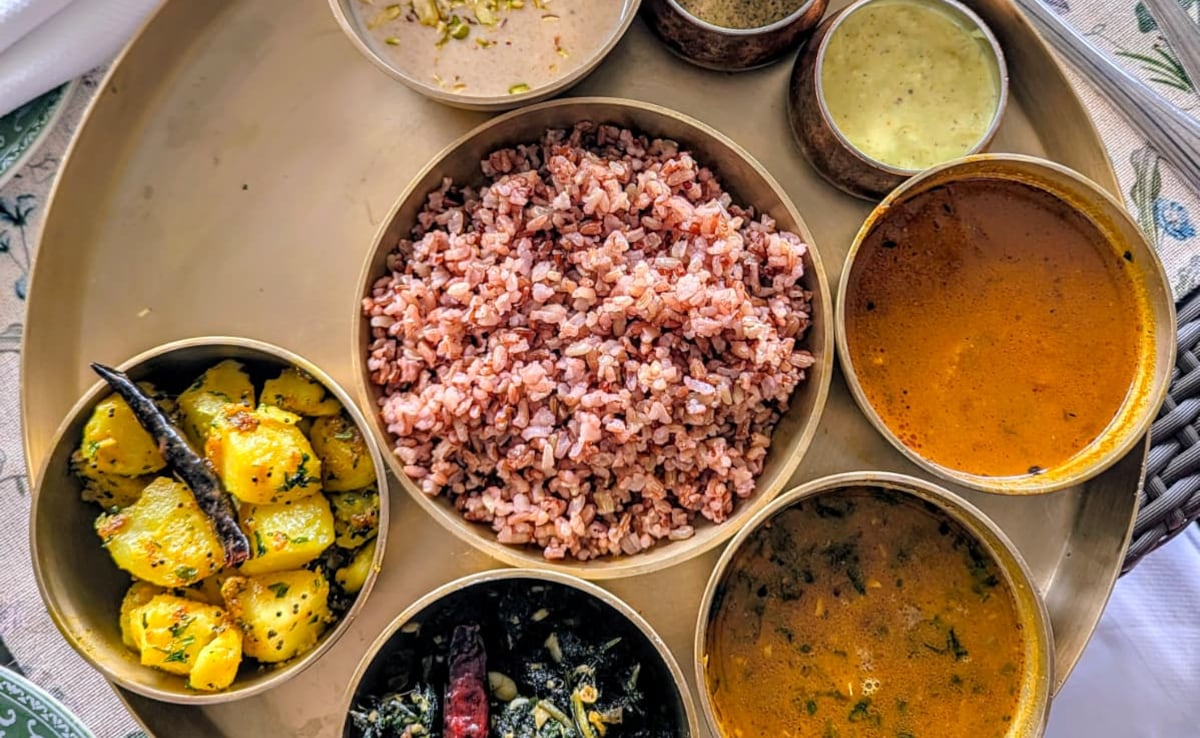
Munsiyari isn't a foodie destination with fancy restaurants. It's a small mountain town with local dhabas and homestays. But the food is honest, simple, and delicious.
Kumaoni Cuisine:
- Bhatt ki Churkani: Black soybean curry, protein-rich and flavourful
- Aloo ke Gutke: Boiled potatoes tempered with cumin and local spices
- Gahat ki Dal: Horse gram dal, warming and nutritious
- Jhangora Kheer: Barnyard millet pudding, mildly sweet
- Singal: Local greens cooked with minimal spices
- Mandua Roti: Finger millet flatbread, healthy and filling
Other Options: Most dhabas serve North Indian staples—dal, rice, roti, sabzi, rajma, chole. Some places make momos and noodles. Don't expect extensive menus or fancy presentations, but everything is fresh and cooked with care.
Local Products: Buy organic apples, apricots, and walnuts from local shops. Munsiyari's apples are particularly good—small, crunchy, sweet. Also, try locally made jams and pickles.
Where to Stay
Budget: Local guesthouses and homestays cost ₹800-1,500 per night. Basic but clean rooms, attached bathrooms, home-cooked meals. The hosts are usually lovely and helpful.
Mid-Range: Hotels like KMVN Tourist Rest House and private hotels cost ₹2,000-3,500 per night. Better rooms, geysers, heaters in winter, some with mountain views.
Camping: If you're trekking or want adventure, camp at Khaliya Top or near Thamri Kund. Bring your own gear or hire from local tour operators.
Book in Advance: Especially in peak season (May-June, October-November) and winter (December-January), accommodations fill up. Book at least 2-3 weeks ahead.
Also Read: 5 Best Glaciers in the World: Comprehensive Travel Guide for Indians
Uttarakhand's 'Little Kashmir'
Munsiyari doesn't try to impress you. It's not competing with Manali's cafés or Shimla's malls. It's just quietly, confidently beautiful, offering exactly what mountains should offer—peace, perspective, and that rare feeling of being truly present. The Panchachuli Peaks will humble you. The silence will heal you. The simplicity will remind you what actually matters. And you'll leave already planning when you can return, because Munsiyari isn't a place you visit once. It's a place you come back to, again and again, whenever city life becomes too much and you need mountains to remind you how to breathe. That's what Little Kashmir does. It gives you back to yourself. And honestly, in our crazy, connected, never-off world, that's priceless.
Track Latest News Live on NDTV.com and get news updates from India and around the world


