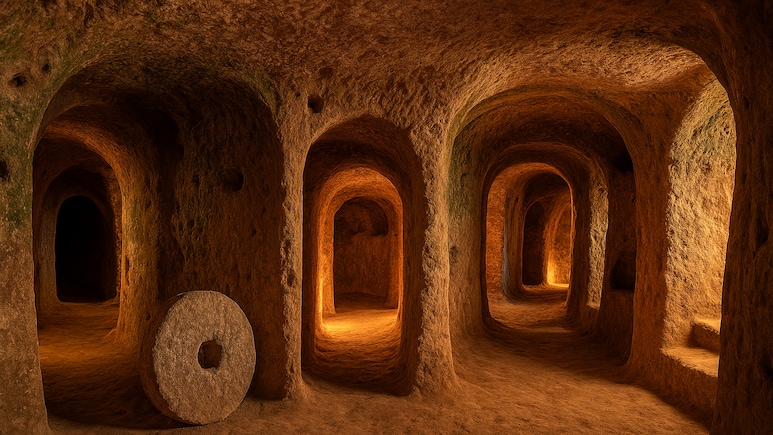
Underground cities have always made people curious, showing how humans learned to live through tough weather, attacks, and changing surroundings. Hidden below the ground, these spaces are full of tunnels, rooms, and even whole communities built carefully into rock. Some were made for safety, while others slowly became places where people lived, with homes, storage areas, and worship spaces. Today, they remind us of the clever ways people solved problems. Exploring them feels like going back in time, where life happened quietly below the surface. From old shelters to large underground networks, these cities still surprise and interest travellers and historians.
Also Read: Delta To Stop In-Flight Food And Beverage Service On 450 Short-Haul Flights
Amazing Underground Cities Around The World
1. Derinkuyu, Turkey
One of the largest underground cities ever discovered, Derinkuyu extends several levels deep into the earth. It was built to shelter thousands of people, complete with ventilation shafts, storage rooms, and even a church. Residents could live here for long periods, protected from invasions and extreme weather. The intricate design shows how advanced underground living was even centuries ago. Today, Derinkuyu is a major tourist attraction in Cappadocia, with several levels open to visitors while deeper sections remain closed for safety. It is well-preserved and offers a fascinating glimpse into ancient survival techniques.
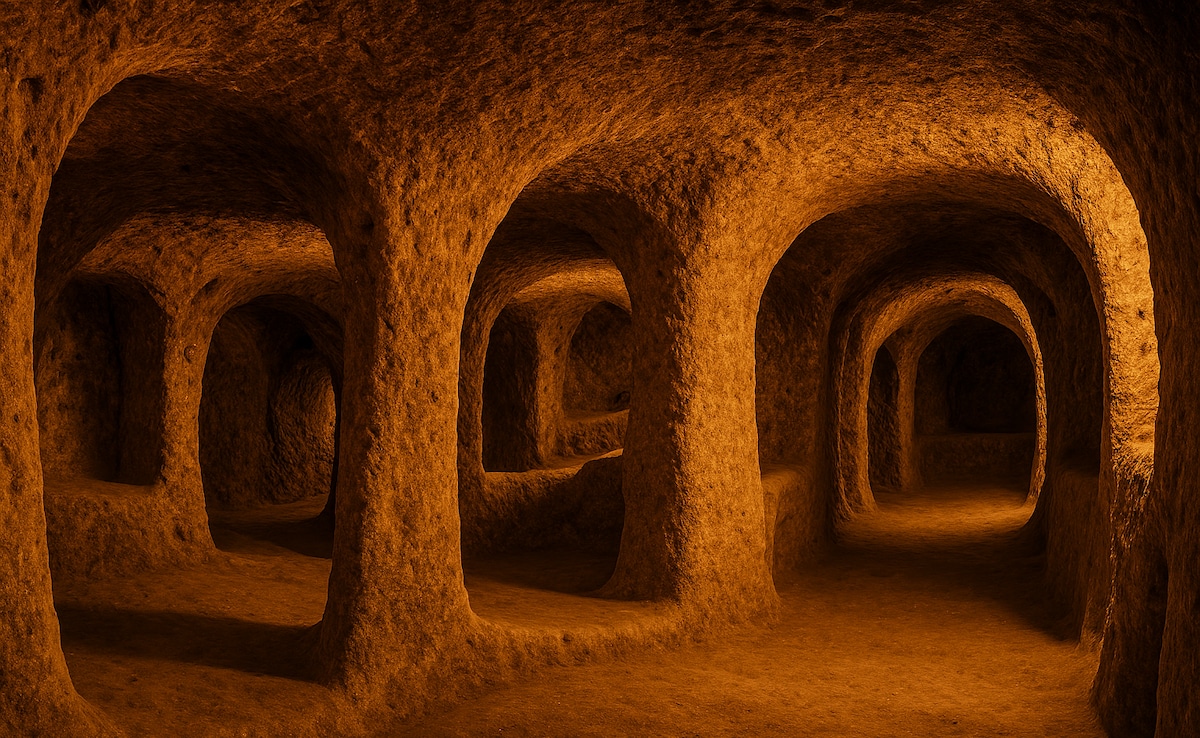
2. Montreal Underground City, Canada
Unlike ancient cave settlements, Montreal's underground city is a modern, bustling network beneath the streets. It connects shopping centres, hotels, offices, and metro stations, allowing people to move comfortably during harsh winters. Stretching for miles, it is one of the largest underground complexes in the world. It blends convenience with urban design in a unique way. Currently, it is fully functional and used daily by thousands of people, especially during winter months. Known as RESO, it continues to expand and plays a vital role in the city's infrastructure and lifestyle.

(Representational Image)
3. Coober Pedy, Australia
In the scorching heat of the Australian outback, Coober Pedy residents have chosen to live underground to escape extreme temperatures. Homes, churches, and even hotels are carved into rock, keeping interiors cool and comfortable. The town's unusual lifestyle attracts travellers looking for something truly different. It is a perfect example of adapting to the environment. Today, people still actively live underground here, and tourism is a key part of the town's economy. Visitors can stay in underground hotels and explore homes, making it a living underground community rather than just a historic site.
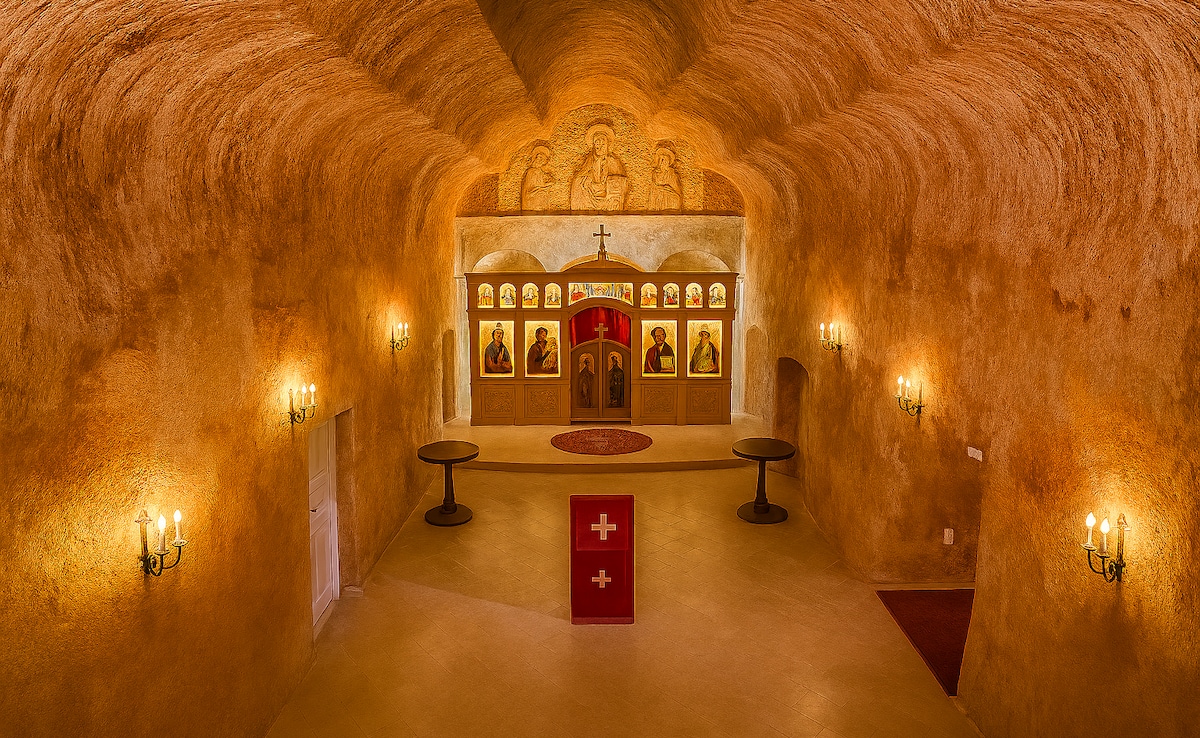
(Representational Image)
4. Wieliczka Salt Mine, Poland
This extraordinary underground site is more than just a mine; it is a hidden world of chapels, halls, and sculptures carved from salt. Visitors can explore winding passages and beautifully crafted chambers deep below the surface. The highlight is the underground cathedral, which feels almost magical. It combines history, art, and engineering in one place. Currently, it is a UNESCO World Heritage Site and a popular tourist destination, with guided tours, underground events, and even health resorts operating within certain chambers. It is carefully maintained to preserve its historical and artistic value.
Also Read: Should Power Banks Be Banned On Flights? IndiGo Fire Incident Sparks Debate
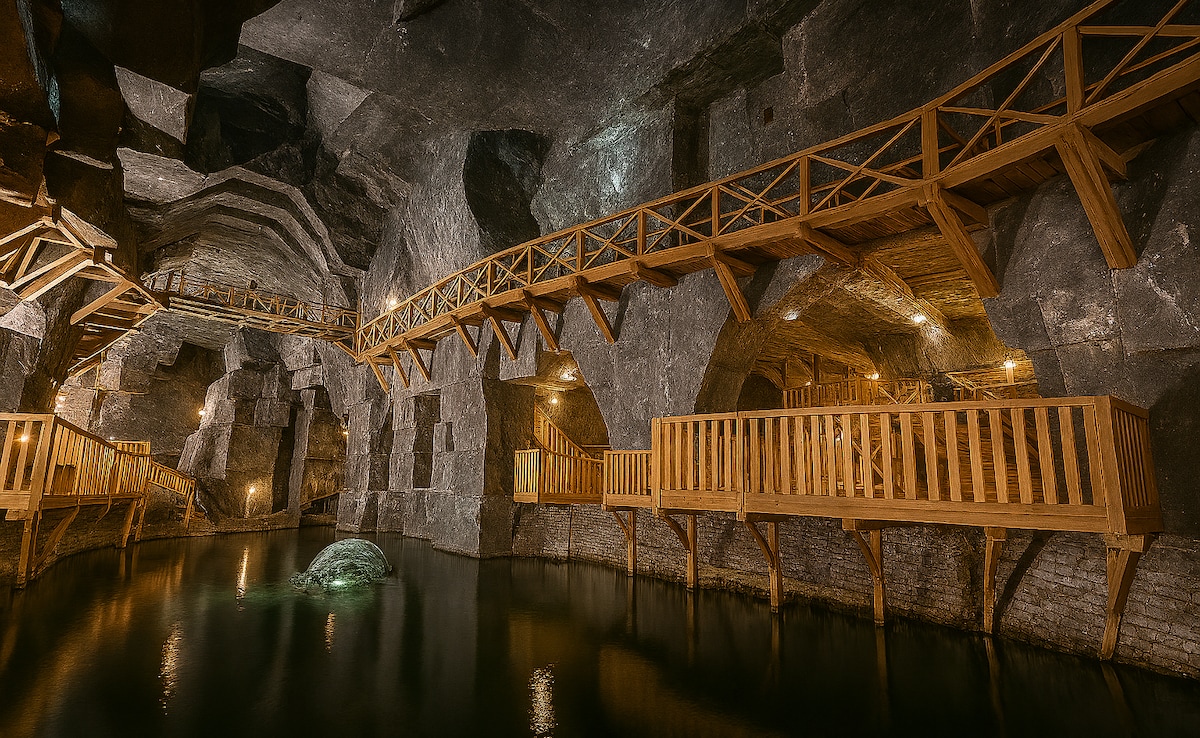
Representational Image
5. Beijing Underground City, China
Built during the Cold War, this vast network was designed as a defensive shelter for millions of residents. It includes tunnels, meeting rooms, and living areas that reflect careful planning for emergency situations. Although much of it is not fully open to the public, it remains an intriguing part of the city's history. It shows how underground spaces were used for protection on a large scale. Today, large parts of it remain closed or partially accessible, though some sections have been repurposed over time for storage or limited tourism. It continues to be a subject of curiosity and historical interest rather than a fully open attraction.
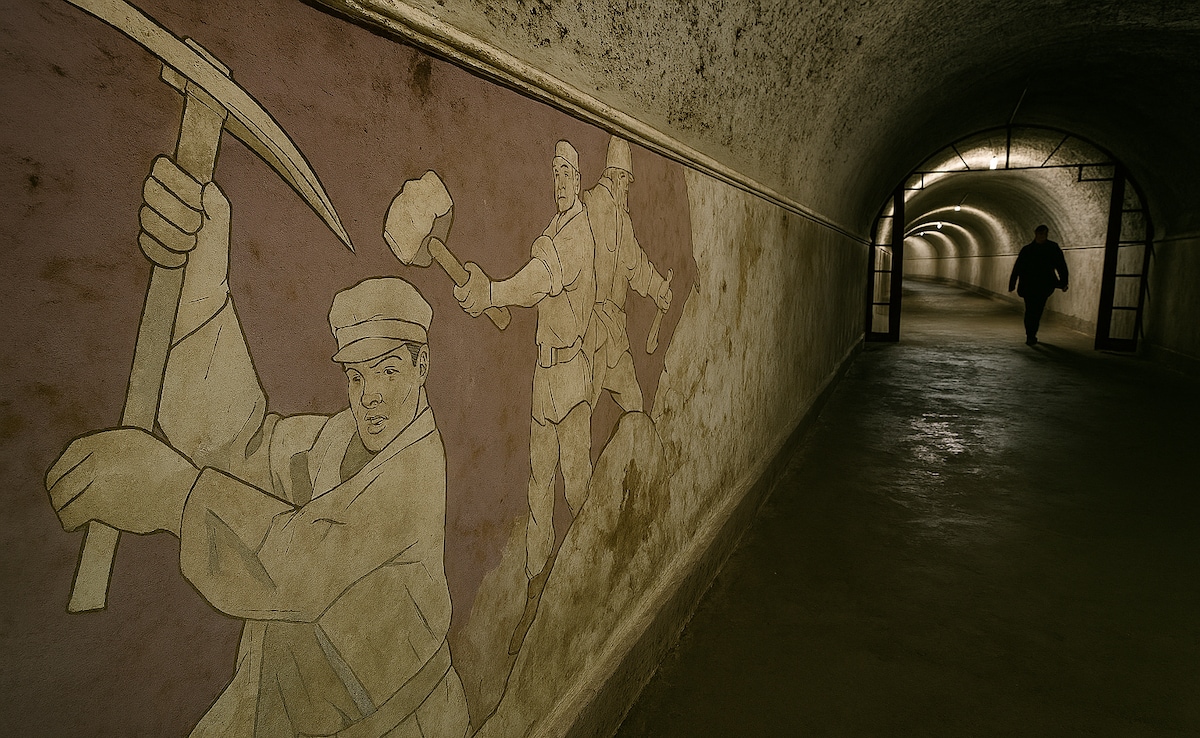
Representational Image
These hidden cities remind us that life beneath the surface can be just as rich and fascinating as above it.
Track Latest News Live on NDTV.com and get news updates from India and around the world


