



Young Scientist
-
{
- All
- News
- Videos
-

Meet 13-Year-Old Aniket Sarkar, 3M Young Scientist Who Captures Water From Dry Air
Inspired by 3D printing, Aniket aims to become an environmental engineer to tackle climate challenges and enhance water solutions.
-
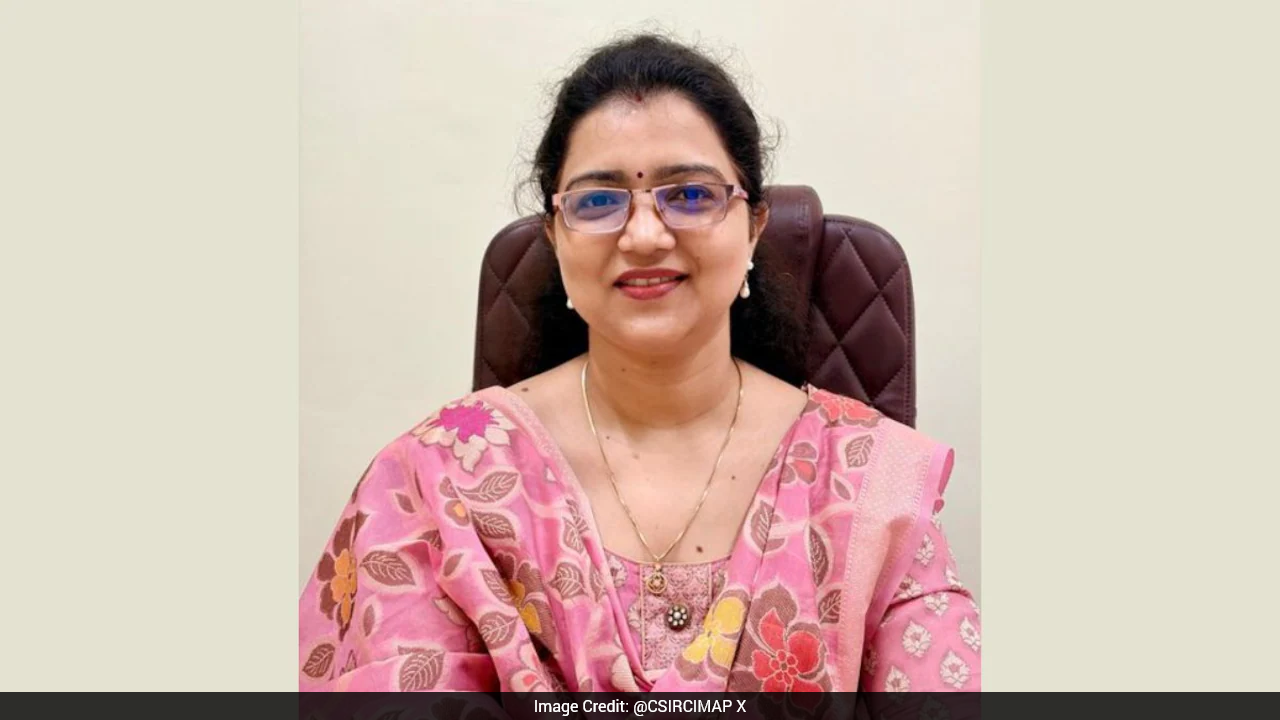
Who Is CSIR Scientist Akanksha Singh? Researcher Wins Third Major Honour In 2026
CSIR scientist Akanksha Singh has received her third major national recognition in 2026 for research in agricultural and plant sciences.
-
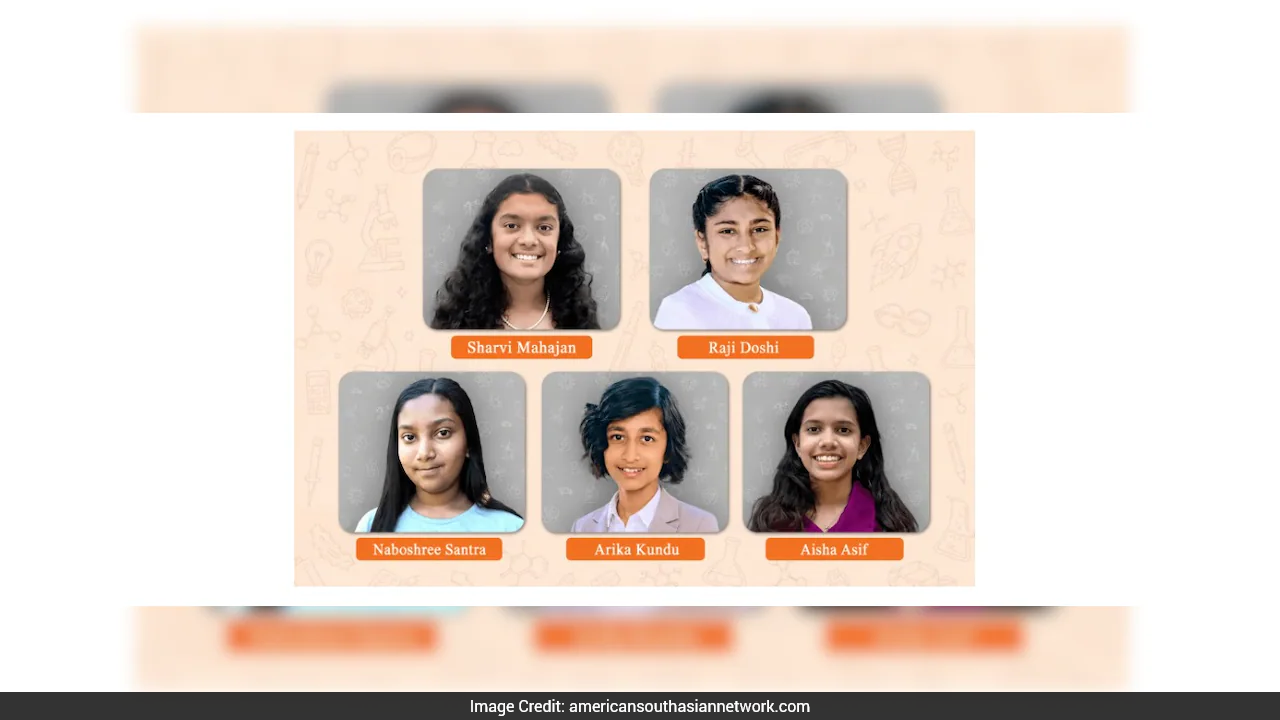
Five Indian-American Students Named Finalists In 2026 3M Young Scientist Challenge
Five Indian-American middle schoolers are top finalists in the 2026 3M Young Scientist Challenge for innovative projects.
-
This 12-Year-Old American Built A Nuclear Fusion Reactor In His Playroom
A 12-year-old student from Dallas has successfully produced nuclear fusion after four years of work and is now seeking recognition from Guinness World Records as the youngest person to achieve the scientific milestone.
-
Pacific Islands Academy of Sciences Launches to Boost Regional Research and Support Young Scientists
On 23 October 2024, Samoa will host the launch of the Pacific Islands Academy of Sciences, aimed at elevating Pacific researchers' voices in global discussions. This initiative seeks to address regional challenges like climate change while supporting young scientists. Prominent scholars, including Collin Tukuitonga from Niue and Salote Nasalo from ...
-
UNESCO Inviting Applications For Al Fozan International Prize
The prize is awarded every two years to five talented young people for their contributions to research, education or scientific cooperation.
-
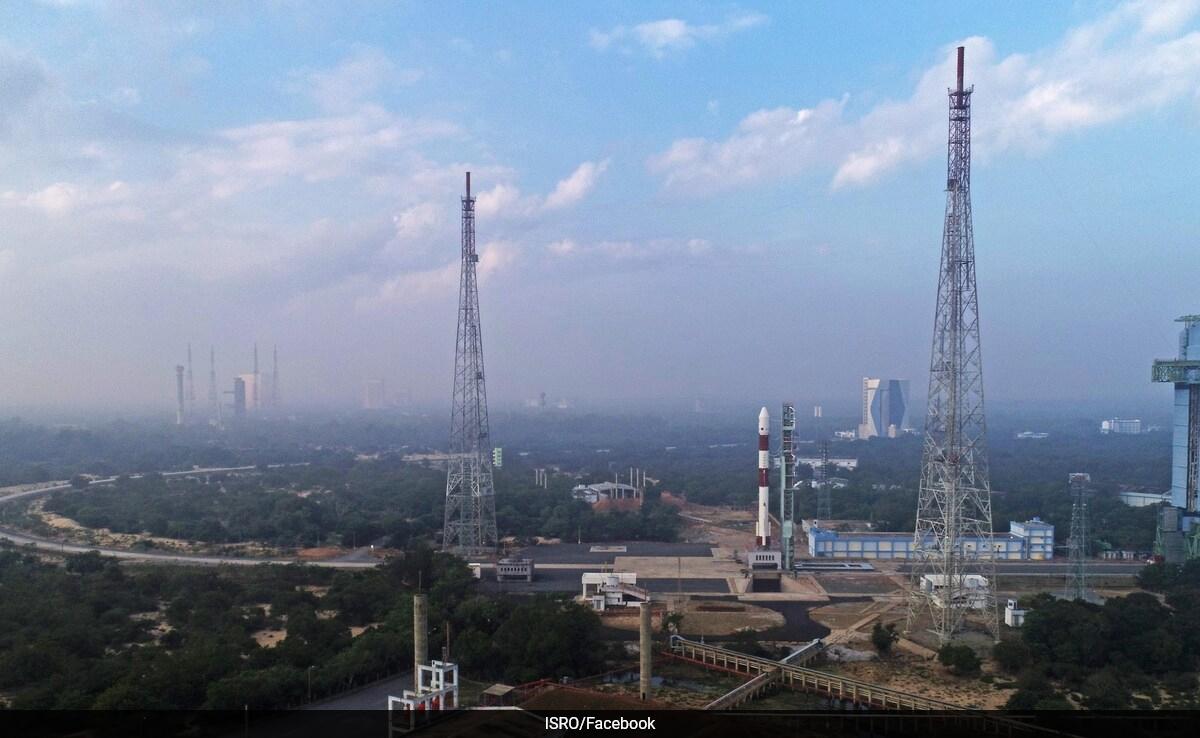
"Catch Them Young": Registration For ISRO's Young Scientist Programme Begins On February 20
ISRO Young Scientist Programme: The initiative aims to motivate more students to seek out careers and engage in research within the fields of Science, Technology, Engineering, and Mathematics (STEM).
-
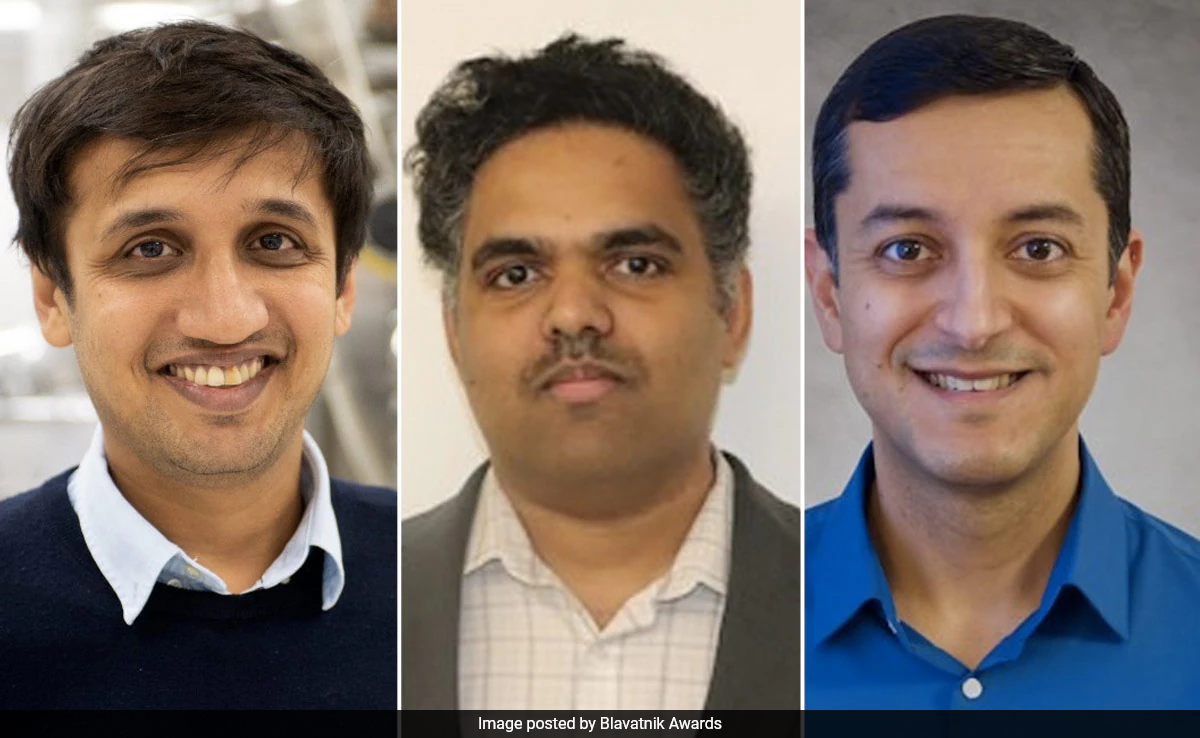
3 Indian-Origin Young Scientists Recognised In UK
The recipients, including Professors Rahul R Nair, Mehul Malik, and Tanmay Bharat will be honoured at a black-tie gala dinner and award ceremony.
-
Who is Heman Bekele? 5 Points On US Teen Who Invented Soap To Treat Skin Cancer
Heman Bekele, a 14-year-old school student, has achieved the title of "America's Top Young Scientist" by creating an innovative soap specifically formulated to address skin cancer.
-
US Teen Invents Soap To Treat Skin Cancer, To Cost Less Than $10
He told the panel in the presentation that he told the panel he wishes to turn the soap into a "symbol of hope, accessibility and a world where skin cancer treatment is within reach for all."
-
Indian-American Teen Anika Chebrolu Wins $25,000 Prize For Potential Covid Treatment
An Indian-American teenager has been awarded $25,000 for her research to find a treatment for the coronavirus. Anika Chebrolu, a 14-year-old from Texas, has just won the 2020 3M Young Scientist Challenge for her work on a potential drug to treat COVID-19.
-
ISRO Young Scientist Programme Result Soon @ Isro.gov.in. Details Here
ISRO Young Scientist Programme result or list of selected candidates will be released at isro.gov.in.
-
ISRO Young Scientist Programme's Selection List On This Date
3 students each from each State or Union Territory will be selected to participate in this programme covering CBSE, ICSE and State syllabus.
-
Online Registration For ISRO's 'Young Scientist Programme' Begins Tomorrow
The interested students can register online through ISRO website (www.isro.gov.in) from February 3, 2020 (1400 hrs) to February 24, 2020 (1800 hrs).
-
ISRO Young Scientist Programme For Class 9 Students
The merit list of the selected candidates will be announced in March as per an official statement by the Indian Space Research Organisation.


-
Meet 13-Year-Old Aniket Sarkar, 3M Young Scientist Who Captures Water From Dry Air
Inspired by 3D printing, Aniket aims to become an environmental engineer to tackle climate challenges and enhance water solutions.
-
Who Is CSIR Scientist Akanksha Singh? Researcher Wins Third Major Honour In 2026
CSIR scientist Akanksha Singh has received her third major national recognition in 2026 for research in agricultural and plant sciences.
-
Five Indian-American Students Named Finalists In 2026 3M Young Scientist Challenge
Five Indian-American middle schoolers are top finalists in the 2026 3M Young Scientist Challenge for innovative projects.
-
This 12-Year-Old American Built A Nuclear Fusion Reactor In His Playroom
A 12-year-old student from Dallas has successfully produced nuclear fusion after four years of work and is now seeking recognition from Guinness World Records as the youngest person to achieve the scientific milestone.
-
Pacific Islands Academy of Sciences Launches to Boost Regional Research and Support Young Scientists
On 23 October 2024, Samoa will host the launch of the Pacific Islands Academy of Sciences, aimed at elevating Pacific researchers' voices in global discussions. This initiative seeks to address regional challenges like climate change while supporting young scientists. Prominent scholars, including Collin Tukuitonga from Niue and Salote Nasalo from ...
-
UNESCO Inviting Applications For Al Fozan International Prize
The prize is awarded every two years to five talented young people for their contributions to research, education or scientific cooperation.
-
"Catch Them Young": Registration For ISRO's Young Scientist Programme Begins On February 20
ISRO Young Scientist Programme: The initiative aims to motivate more students to seek out careers and engage in research within the fields of Science, Technology, Engineering, and Mathematics (STEM).
-
3 Indian-Origin Young Scientists Recognised In UK
The recipients, including Professors Rahul R Nair, Mehul Malik, and Tanmay Bharat will be honoured at a black-tie gala dinner and award ceremony.
-
Who is Heman Bekele? 5 Points On US Teen Who Invented Soap To Treat Skin Cancer
Heman Bekele, a 14-year-old school student, has achieved the title of "America's Top Young Scientist" by creating an innovative soap specifically formulated to address skin cancer.
-
US Teen Invents Soap To Treat Skin Cancer, To Cost Less Than $10
He told the panel in the presentation that he told the panel he wishes to turn the soap into a "symbol of hope, accessibility and a world where skin cancer treatment is within reach for all."
-
Indian-American Teen Anika Chebrolu Wins $25,000 Prize For Potential Covid Treatment
An Indian-American teenager has been awarded $25,000 for her research to find a treatment for the coronavirus. Anika Chebrolu, a 14-year-old from Texas, has just won the 2020 3M Young Scientist Challenge for her work on a potential drug to treat COVID-19.
-
ISRO Young Scientist Programme Result Soon @ Isro.gov.in. Details Here
ISRO Young Scientist Programme result or list of selected candidates will be released at isro.gov.in.
-
ISRO Young Scientist Programme's Selection List On This Date
3 students each from each State or Union Territory will be selected to participate in this programme covering CBSE, ICSE and State syllabus.
-
Online Registration For ISRO's 'Young Scientist Programme' Begins Tomorrow
The interested students can register online through ISRO website (www.isro.gov.in) from February 3, 2020 (1400 hrs) to February 24, 2020 (1800 hrs).
-
ISRO Young Scientist Programme For Class 9 Students
The merit list of the selected candidates will be announced in March as per an official statement by the Indian Space Research Organisation.

