





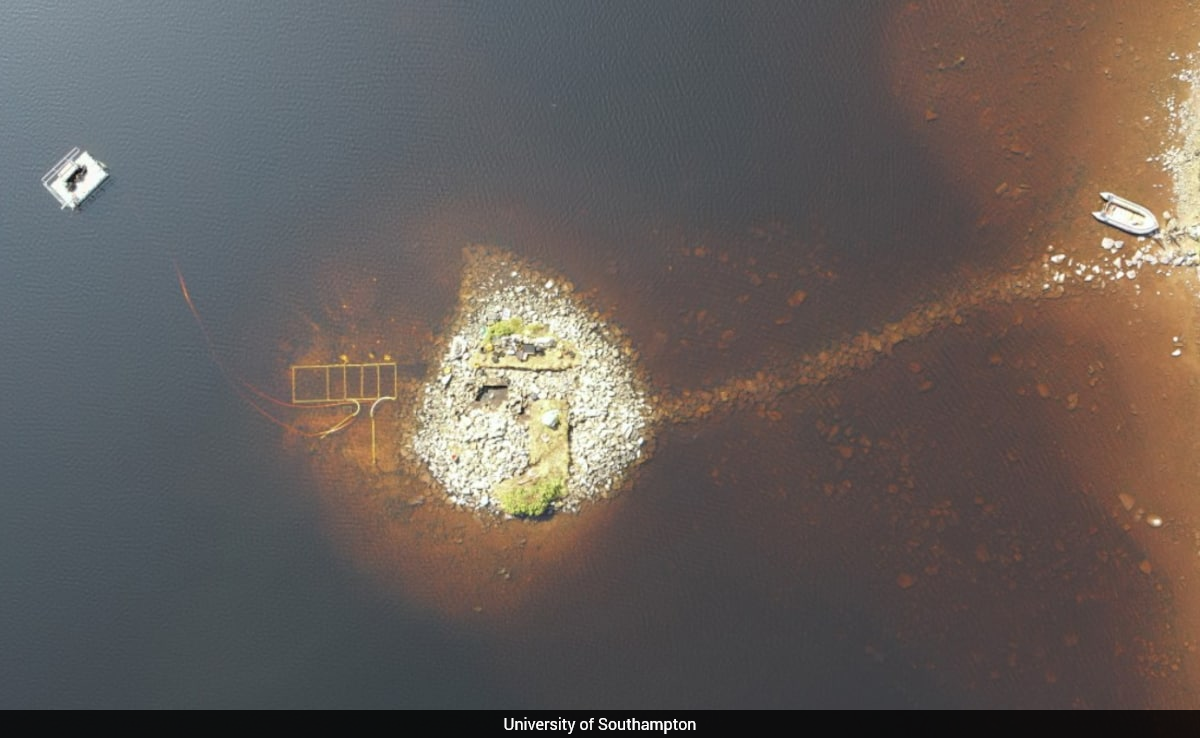
Archaeologists have uncovered the remains of a mysterious artificial island in Scotland, believed to be over 5,000 years old, offering fresh insight into prehistoric engineering skills. The ancient structure, known as a crannog, was found in Loch Bhorgastail on the Isle of Lewis in Scotland's Outer Hebrides. Crannogs are artificial islands built in lakes and rivers using stone, timber and brushwood. For many years, experts believed these structures mainly belonged to the Iron Age, around 800 BCE. However, new studies suggest some are far older.
Researchers from the University of Southampton and the University of Reading used underwater surveys, excavations and modern imaging technology to study the site. They discovered that the island originally stood on a huge timber platform measuring about 23 metres wide. Layers of wood and brushwood formed the base before stones were added on top. The research was published in Advances in Archaeological Practice.
"Fine sediments, choppy conditions, floating vegetation, and distorted or reflected light all hinder shallow water imaging," says maritime archaeologist Fraser Sturt from the University of Southampton.
"Photogrammetry is very effective in deep water but runs into problems at depths of less than a meter. This problem is a well-known frustration for archaeologists."
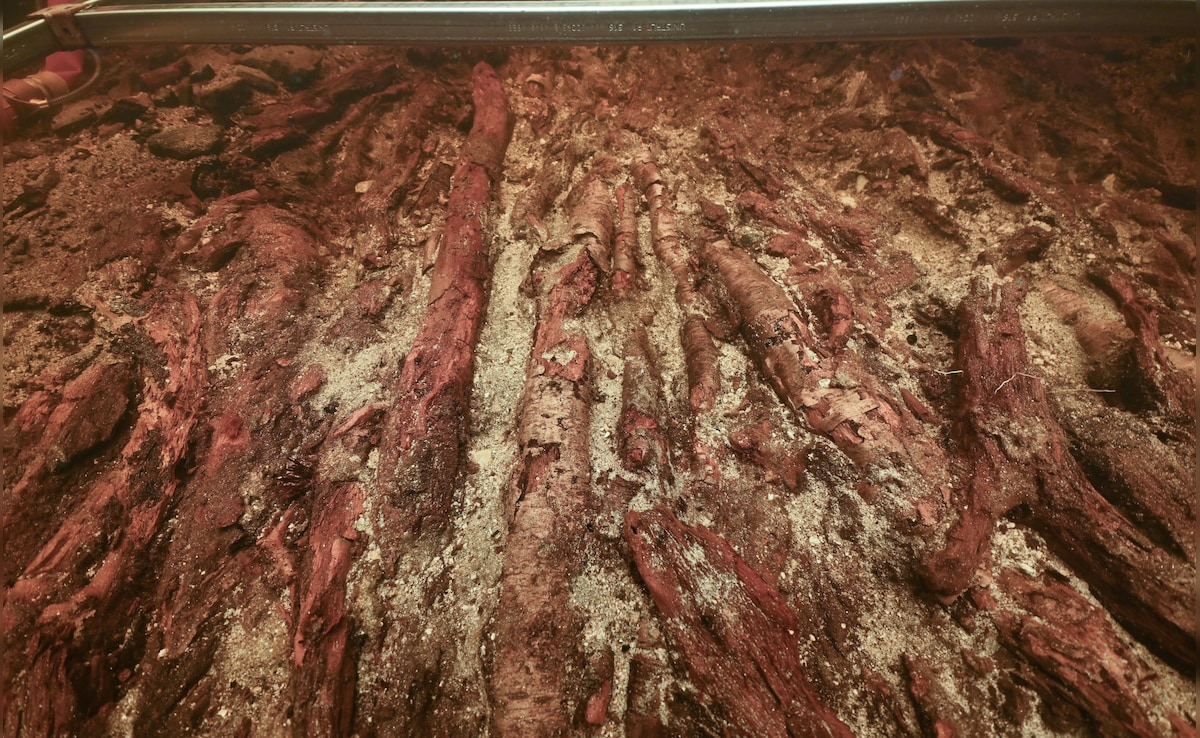
The crannog's timber platform below the waterline.
Photo Credit: University of Southampton
Radiocarbon dating showed the structure was built between 3640 and 3360 BCE, making it older than Stonehenge. Archaeologists also found hundreds of pieces of Neolithic pottery around the site, suggesting the island may have been used for gatherings, rituals or communal feasts.
Scientists said the discovery changes previous ideas about Neolithic communities in Britain. The amount of labour needed to build an island in the middle of a loch suggests organised societies with advanced planning and construction skills.
Experts believe many more unexplored crannogs across Scotland and Ireland could also date back to the Neolithic era, opening a new chapter in the study of prehistoric Britain.
Track Latest News Live on NDTV.com and get news updates from India and around the world

