






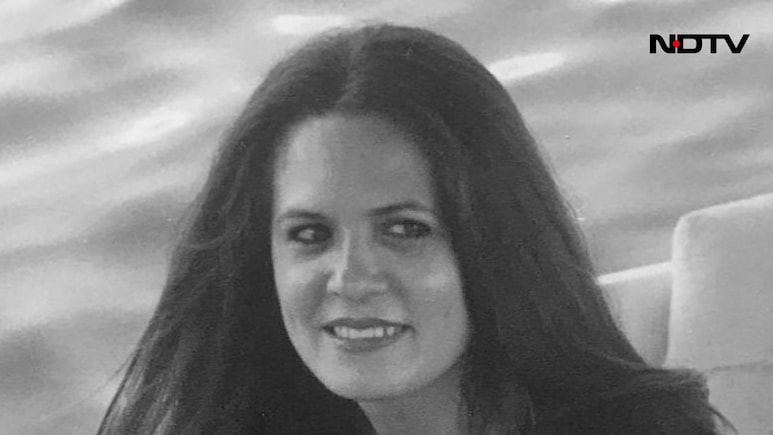
A memoir can tell a personal story. It can also reshape public memory when its author belongs to a family that has shaped politics for generations. Sonia Gandhi's biography Belonging: A Journey of Love sits at that intersection. At its November 16 launch in New Delhi, she said that much written about her family was ‘unreal' and ‘hurtful', and that the book offered a way to share her feelings. That is a legitimate purpose.
Sonia Gandhi is entitled to tell her story, particularly when she believes that public commentary has distorted her personal experiences.
However, the moment a biography addresses the political controversies surrounding the Gandhi family, it inevitably becomes more than a personal account. It enters the contested territory of historical interpretation. The question is whether personal testimony can soften or legitimise the political record of the Congress' first family.
The second visible optics was Congress' continuing attempt to balance its own political identity with the aspirations of its INDIA bloc partners. The presence of Tamil Nadu Chief Minister C Joseph Vijay, Jammu and Kashmir Chief Minister Omar Abdullah; Samajwadi Party leaders Akhilesh and Dimple Yadav; TMC leader Abhishek Banerjee, and other regional leaders was a visible demonstration of political engagement. The seating arrangements added an unexpected layer to that message.
Personal vindication?
Sonia Gandhi's life story contains experiences that deserve to be heard in her own words - migration from Italy, adjustment to a new country, life alongside Rajiv Gandhi, the assassinations of Indira Gandhi and Rajiv Gandhi, and her entry into public life. The title, as she herself explained, reflects the effort to feel accepted and belong.
A memoir can correct inaccurate accounts, add intimate context and challenge caricatures. However, there is an important distinction between a person writing her life story and a political family using that narrative to shape its public legacy.
The Gandhi family's political legacy cannot be separated from the decisions of governments it led. The Emergency imposed by Indira Gandhi in 1975 involved curtailment of civil liberties, press censorship and detention of opposition leaders. These are documented facts, not merely hostile stories. The period remains central to debates about executive power and democratic accountability.
Likewise, the 1984 anti-Sikh violence followed Indira Gandhi's assassination and exposed grave failures by police and administration. The Nanavati Commission recorded police passivity and negligence, while distinguishing individual Congress members' participation from organised party leadership. Any account must preserve those distinctions rather than reduce the episode to either a blanket accusation or a family grievance.
Rajiv Gandhi's tenure also remains subject to public scrutiny, including the Bofors controversy. Its legal history is more complicated than slogans suggest - investigations and allegations continued for years, but Rajiv Gandhi was not convicted - the Delhi High Court cleared him posthumously of criminal culpability.
In the more recent National Herald matter, allegations and proceedings involving Sonia and Rahul Gandhi have been politically contested. Allegations must not be presented as convictions. Equally, questions raised through due process cannot be dismissed simply as invented narratives.
The same scrutiny applies to Rahul Gandhi's political career. His leadership, electoral setbacks, organisational decisions and political interventions are legitimate subjects of public debate. Criticism of his political performance cannot automatically be classified as an attack on the family.
At the event, Rahul Gandhi's recalling of his childhood anecdote - about his mother Sonia Gandhi sitting on his father Rajiv Gandhi's lap during every lunch and dinner - couldn't have been more inappropriate. Such personal remarks raise endless debates and ridicules about Rahul Gandhi's inability to draw a dignified line between private and public spaces and his maturity as a political leader.
In the digital era, the public has the wherewithal to verify testimonies, and compare it with records and independent histories, and distinguish recollection from established fact. The risk is not that a politician writes a memoir - it is the ardent supporters who treat every word as solemn fact.
Larger political significance
The live telecast of the launch event also carried a political message. The presence of INDIA bloc leaders gave the event a cohesive Opposition dimension. Sonia Gandhi, Rahul Gandhi, Congress president Mallikarjun Kharge sat in the front row along with Vijay, Omar, Akhilesh and Dimple Yadav and others.
Karnataka Chief Minister DK Shivakumar and Telangana Chief Minister Revanth Reddy sat in the second row, alongside Priyanka Gandhi Vadra. However, 80-year-old Siddaramaiah's placement in the fifth row prompted questions about respect for seniors in the party.
Congress' own chief ministers and senior leaders are the political representatives of the party's electoral wins in states. If their positioning repeatedly appears secondary to that of alliance partners, questions about internal recognition and organisational protocol are bound to arise. Images are read as signals of access and recognition, especially in a party where internal status is closely watched.
By placing INDIA partners visibly alongside Congress leaders, the event projected an opposition presence. Akhilesh Yadav's attendance was notable as Congress and the Samajwadi Party were preparing for talks ahead of the Uttar Pradesh assembly election.
Vijay's presence widened the gathering's regional reach. The symbolism suggested that Congress wanted to showcase relationships beyond its organisation. Yet a photograph cannot resolve differences over seat-sharing, leadership, regional priorities or the balance between national coordination and state autonomy.
Sonia Gandhi's memoir may have given her an opportunity to reclaim her narrative. But political legitimacy has to rest on evidence, institutional responsibility and respect for voices beyond the family.
(The author is Contributing Editor, NDTV)
Disclaimer: These are the personal opinions of the author

