





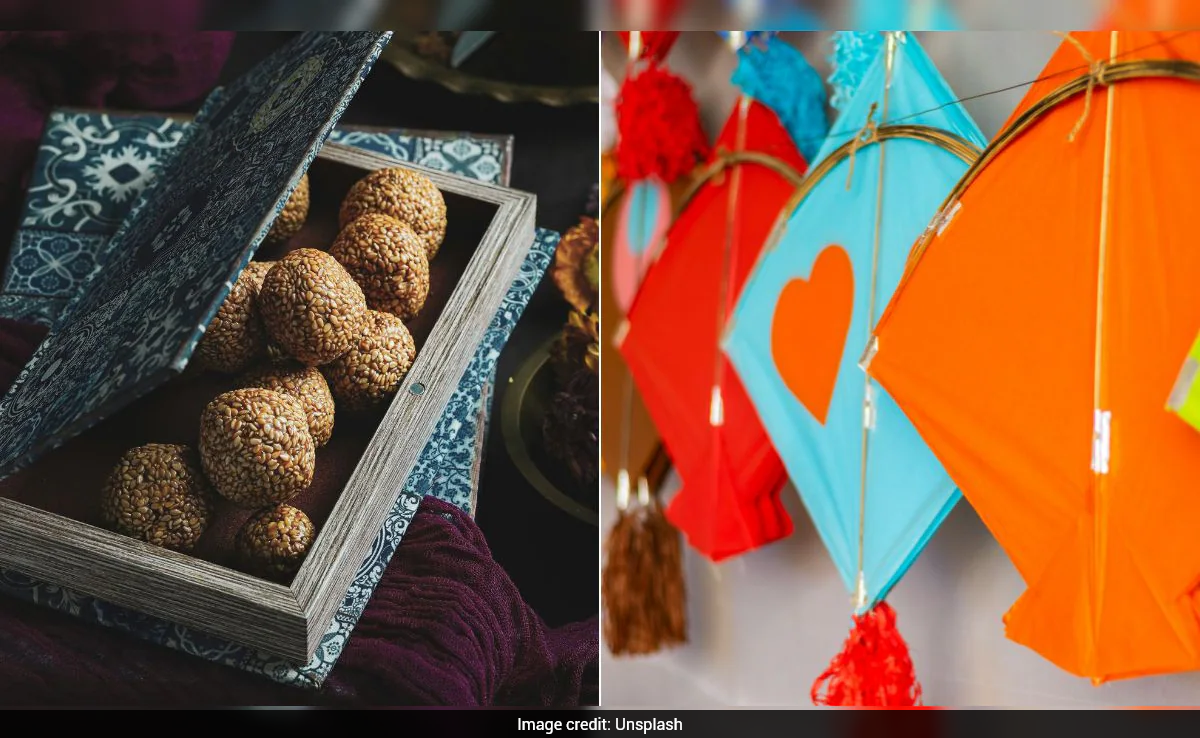
India, a land of diverse cultures and traditions, celebrates several harvest festivals in the first month of the year - January. Lohri, Makar Sankranti, and Pongal are three significant harvest festivals celebrated across the country, each with its unique customs and traditions.
Lohri: January 13
Lohri, celebrated mainly in Punjab and North India, marks the end of winter and the rabi harvest. The festival is characterised by bonfires, singing and dancing, with people offering sesame seeds, jaggery, peanuts and popcorn. The festivities symbolise the joy and gratitude of farmers for a bountiful harvest. People sing and perform traditional dances like Bhangra and Gidda. Traditional dishes like sarson saag, maize flour chapatis, and sweets like gajjak and rewri are consumed on this day.
Also read | Hyderabad Cops Step Up Drive To Seize Chinese Manjha Ahead Of Kite Festival
Makar Sankranti: January 14 (occasionally January 15)
Makar Sankranti, celebrated across India, marks the Sun's transition into the zodiac sign of Capricorn (Makar). The festival is a celebration of the harvest season. People take holy dips in rivers, offer prayers to the Sun, and exchange traditional sweets like til ladoo (laddo made with sesame seeds and jaggery). People also do charity for those who need it.
Pongal: January 14-17
The festival of Pongal is celebrated in Tamil Nadu. It is a four-day harvest festival dedicated to the Sun God. The festival Pongal signifies the start of the sun's northward journey (Uttarayana). Boiling the season's first rice with milk and jaggery starts the festivities. The festival includes Bhogi (discarding old belongings), Thai Pongal (honouring the Sun), Mattu Pongal (celebrating cattle) and Kaanum Pongal (family bonding). Traditional dishes like sweet Pongal and Ven Pongal are prepared, and kolams (decorative designs) adorn homes. People express gratitude to the Sun, rain, and farm animals for the winter harvest season. Jallikattu, which is a bull taming sport, is widely celebrated in the state of Tamil Nadu as part of Pongal celebrations.
Also read | Makar Sankranti 2026: Date, Time And 6 Traditional Recipes For Celebrations
Magh Bihu (Bhogali Bihu): around January 14-15
Magh Bihu is the harvest festival celebrated in Assam. It marks the end of harvest season. On this day, people arrange feasts beside field huts and arrange bonfire-style celebrations. The main focus remains on feasting and burning temporary huts as a ritual of expressing gratitude. People build temporary huts, called "Bhelaghar", and make "Mejis" (bonfires) from bamboo and hay. Meanwhile, women prepare special bhog in the Bhelaghar. People sing songs and perform folk dances, and spend the night near these bonfires. They take a bath the next morning, and Mejhi is lit, which is considered to symbolise the end of winter.
Track Latest News Live on NDTV.com and get news updates from India and around the world

