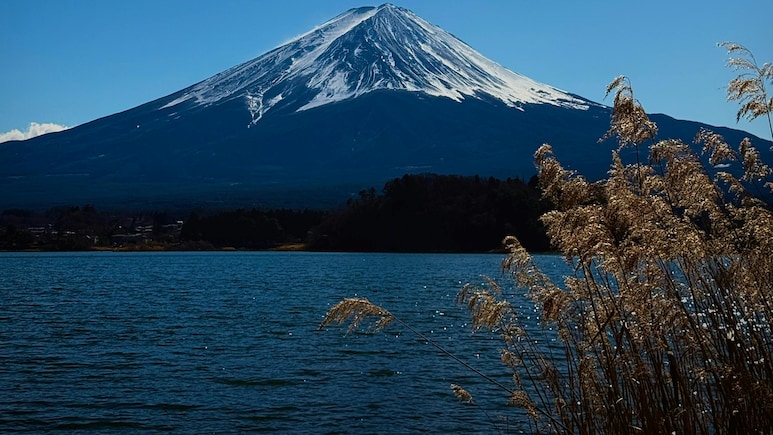
Mountains usually don't rush the news cycle. They stand still while empires fall, borders shift, and definitions change. But Mount Damavand, Iran's towering, snow-capped giant, refuses to stay frozen in time.
At 5,609 metres, Damavand is officially Asia's tallest volcano. Unofficially, it is far more complicated: a geological paradox, a cultural monument, a mountaineer's obsession, and now, unexpectedly, a backdrop to modern conflict. Few natural landmarks so seamlessly absorb poetry, politics, science, and survival into a single silhouette.
A Peak That Refuses To Be Just A Peak
Rising from Iran's Alborz mountain range near the southern edge of the Caspian Sea, Damavand dominates the landscape with unmistakable authority. Its near-perfect cone and perpetual snowcap have made it one of the most recognisable peaks in West Asia.
It is the highest mountain in the country, the tallest volcano in Asia, and among the most prominent peaks on Earth. Yet its importance goes far beyond topography.
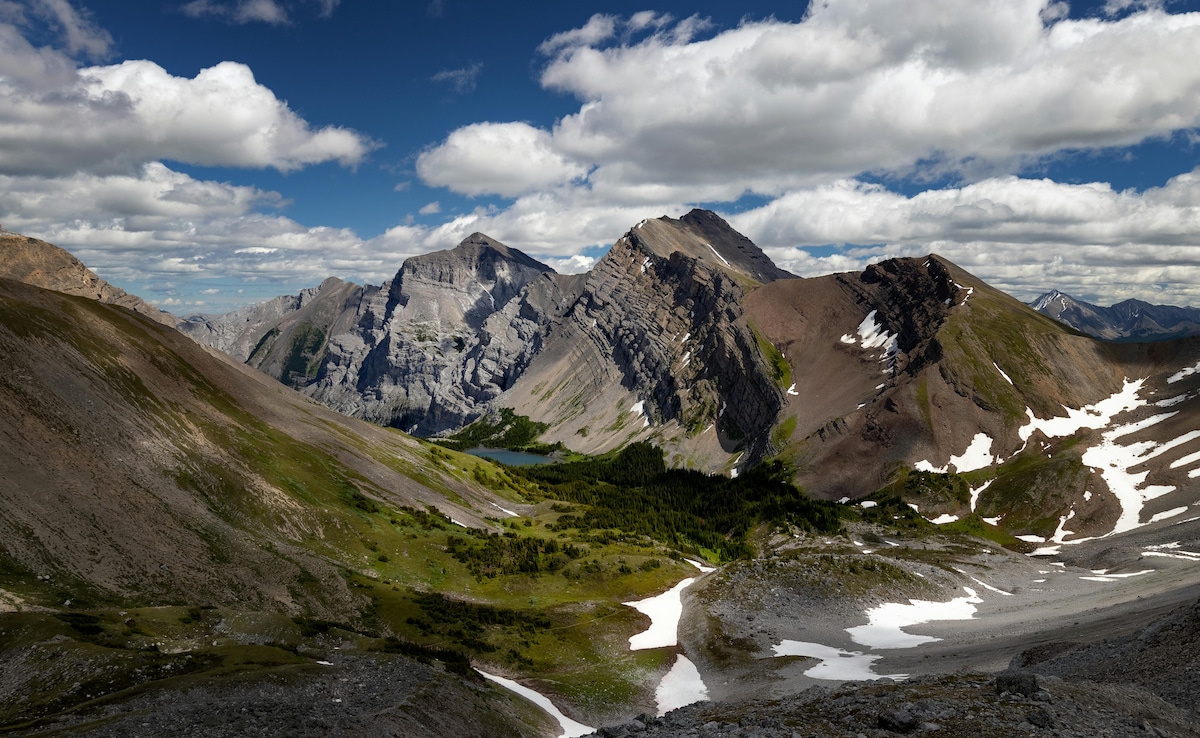
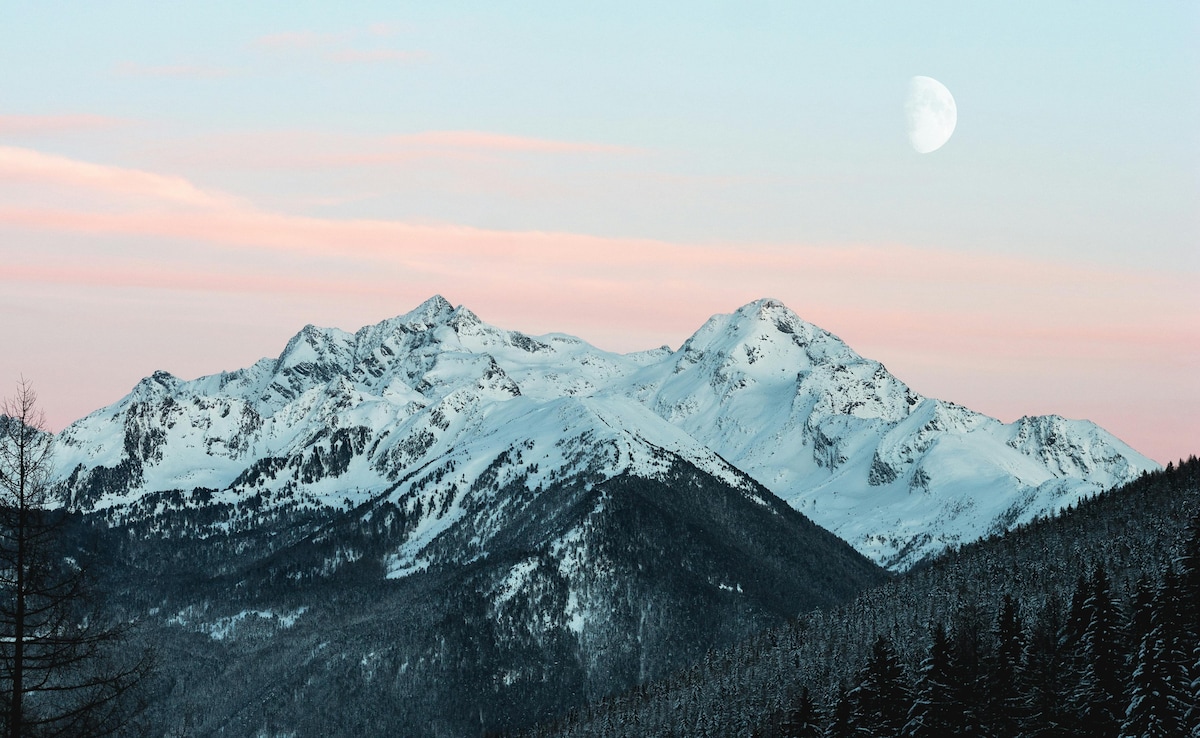
At 5,609 metres, Damavand is officially Asia's tallest volcano. (Image credit: Pexels)
Its snow-draped cone appears in poetry, folklore, and even currency. The epic Shahnameh casts it as the prison of Zahhak, the tyrant king whose defeat symbolised the triumph of justice over cruelty. Other legends place the mythical Simorgh atop its peak, a bird of wisdom watching over the world.
For centuries, poets and storytellers have returned to Damavand as a metaphor for resistance, endurance, and national pride, a symbolism strong enough for the mountain to appear on Iranian currency.
The Volcano That Never Quite Sleeps
Scientifically, Damavand is classified as a dormant stratovolcano: inactive, but far from dead. Its last known eruption occurred around 5300 BCE, yet its summit still exhales sulphur-rich gases through active fumaroles.
The crater rim, about 150 metres wide, is dusted with sulphur deposits that stain the snow yellow.
Seismic studies indicate molten or semi-molten magma at depths between two and five kilometres, while hot springs at the mountain's base, particularly in Larijan, testify to lingering geothermal energy.
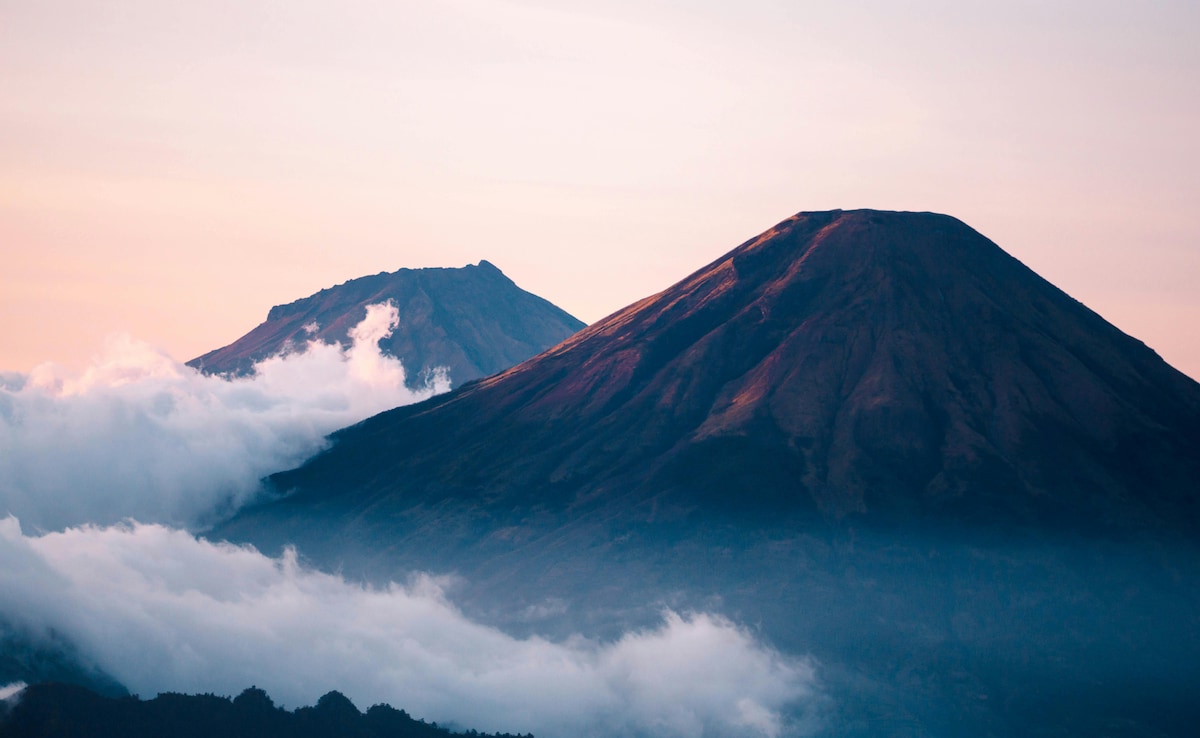
Damavand is classified as a dormant stratovolcano. (Image credit: Pexels)
These mineral-rich waters are believed to have therapeutic properties and are closely monitored by scientists studying seismic activity in the region.
Glaciers cling to Damavand's upper slopes, including the prominent Yakhar Glacier. These ice reserves feed some of Iran's rare perennial rivers, making the mountain not just a symbol, but a life source.
A Mountain That Tests Every Climber
For mountaineers, Damavand offers both accessibility and punishment. The climb is non-technical by elite standards, yet notoriously demanding due to altitude, weather, and volcanic gases near the summit.
Most ascents take three days, with acclimatisation crucial to avoid altitude sickness.
The southern route, starting from Polour village, is the most popular thanks to established shelters like Bargah-e Sevom at 4,220 metres.
The northern route is steeper, colder, and physically taxing, requiring overnight stays at high-altitude shelters. The western route, prized for its sunset views, carries risks of rockfall near the Simorgh shelter.
The weather is the mountain's most unpredictable threat. Even in summer, temperatures can plunge to extremes, winds can exceed 100 km/h, and snowstorms can appear without warning.
Winter ascents are reserved for highly experienced climbers; summer remains the safest window, particularly between mid-June and mid-September.
When Adventure Collided With War
In June 2025, Damavand's reputation as a pure adventure destination was shattered.
Indian mountaineer Falguni Dey, an assistant professor from Kolkata, travelled to Iran aiming to summit Damavand after successfully climbing Mount Kilimanjaro and Mount Elbrus.
He made it agonisingly close, turning back just 400 metres from the top due to a severe snowstorm.
What followed was far worse.
Returning to Tehran, Dey walked into a city under siege. Israeli airstrikes lit up the night sky. Thick smoke choked daylight streets. Airports shut down as Iranian airspace was closed indefinitely, banks closed, and evacuation options vanished. With money running out and no official rescue plan in place, Dey began considering perilous overland escapes through neighbouring countries: Turkey, Armenia, Azerbaijan, and even Pakistan, hoping to find a flight back to India.
A Nation In Turmoil
Dey's predicament unfolded against the backdrop of one of Iran's most intense periods of internal unrest. Nationwide protests, fuelled by economic hardship and political repression, escalated into violent confrontations with security forces. Internet blackouts, mass arrests, thousands were reportedly killed, tens of thousands detained.
The Iranian state labelled protesters "terrorists," while International bodies condemned what they described as large-scale massacres.
While Tehran burned with tension, Damavand remained immovable, a silent witness to the fragility of human systems beneath its ancient slopes.
The Tallest Volcano, Or Is It?
Even Damavand's most basic claim, Asia's highest volcano, hasn't escaped controversy. In 2008, volcano researcher and adventurer John Seach sparked an international debate by stating that Kunlun, a volcanic field in Tibet, was taller. The dispute hinged on definitions.
Kunlun is not a single volcano but a collection of dozens of small cones spread across a high plateau, with minimal prominence. Damavand, by contrast, rises dramatically from its surroundings as a singular stratovolcano, a distinction most geologists and mountaineers consider decisive.
That prominence has secured Damavand's place in the Volcanic Seven Summits, a list that continues to attract climbers from across the globe.
A Biodiversity Hotspot On A Volcanic Giant
Despite its harsh climate, Damavand supports impressive biodiversity.
Mammals include Persian leopards, Syrian brown bears, Armenian mouflon, wild goats, foxes, and snow voles.
Birdlife is especially rich: golden eagles, Caspian snowcocks, griffon vultures, chukar partridges, snow finches, and migratory species like nightingales and wheatears pass through seasonally.
The region is also home to reptiles and amphibians such as meadow vipers, blunt-nosed vipers, Caucasian agamas, and marsh frogs along riverbanks.
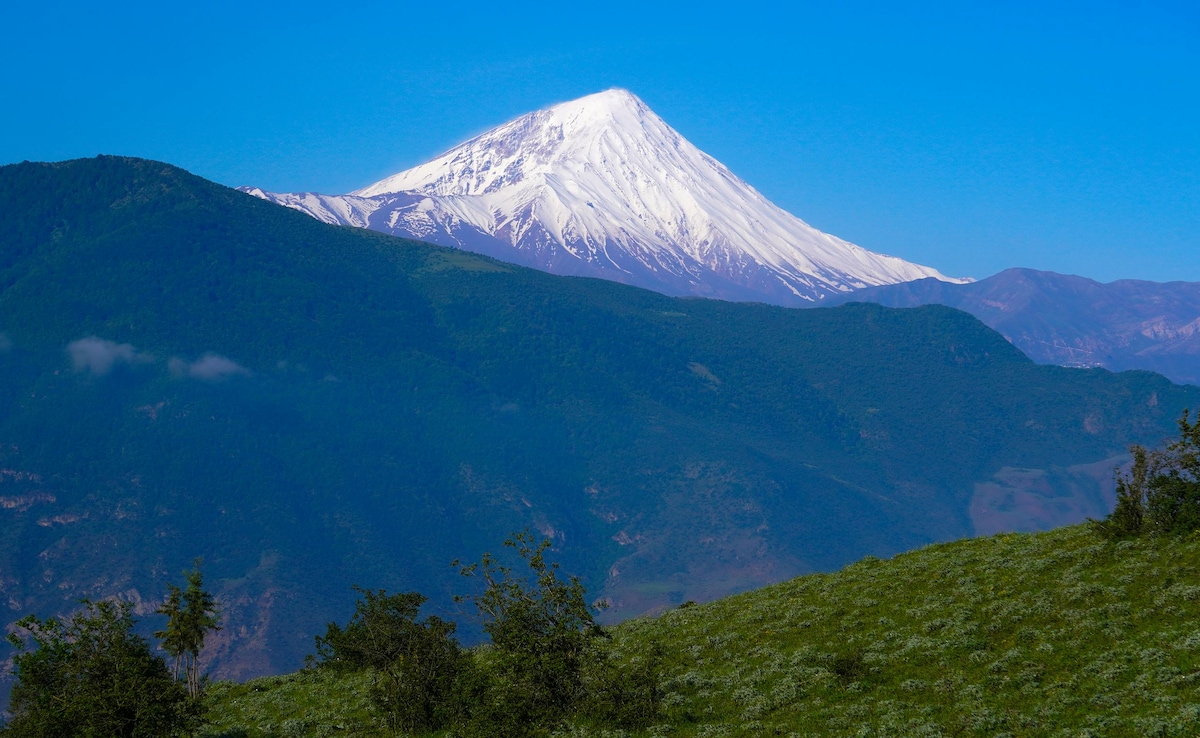
Damavand supports impressive biodiversity. (Image credit: Pexels)
Flora changes dramatically with elevation. Foothills bloom with red poppies in late spring, while pistachio, juniper, oak, beech, and hazel forests occupy lower and northern slopes.
Higher altitudes feature cushion plants, alpine grasses, mountain tulips, and the rare Iris barnumiae demawendica, named after the mountain itself.
How To Reach Mount Damavand
Damavand is located roughly 66 kilometres northeast of Tehran. Most climbers travel by road to Polour village, the primary base camp, accessible via Amol.
From here, vehicles can reach trailheads depending on the chosen route. Permits, local guides, and weather clearances are strongly recommended, particularly given the region's political volatility.
A Mountain That Reflects The World
Mount Damavand is many things at once: a dormant volcano, a national icon, a climber's proving ground, a wildlife refuge, and now, an unwilling witness to modern warfare.
And long after today's tensions fade, it will still be there: waiting, watching, breathing quietly beneath the snow.
Track Latest News Live on NDTV.com and get news updates from India and around the world
