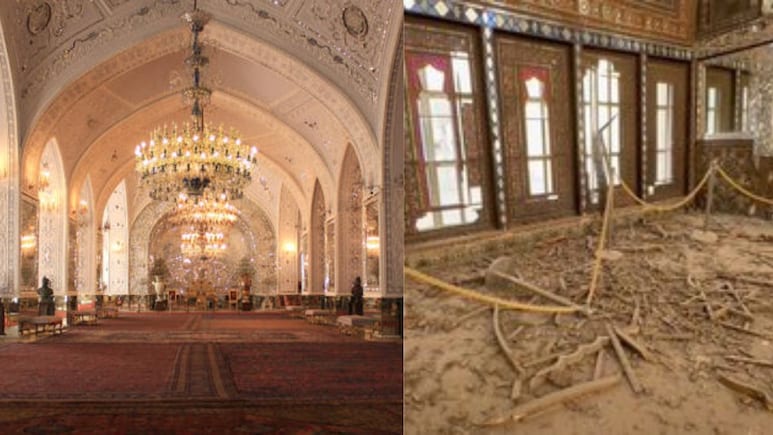
On February 28, 2026, the world was struck by the news of the US-Israel coordinated joint attack on various sites in Iran. Tehran, the capital of Iran, retaliated with airstrikes across the Middle East.
When nations go to war, the cost isn't only financial; they also suffer the loss of citizens, infrastructure, and countless other resources. In the latest air attack on Tehran, the Golestan Palace, a UNESCO World Heritage Site, was reportedly damaged. "Following the joint US-Israeli attack on Arag Square in southern Tehran on Sunday evening, parts of the Golestan Palace... were damaged," the ISNA news agency reported.
The complex that once stood as an architectural marvel of the Qajar era is now in ruins - shards of glass on the floor, broken windows, empty rooms, and debris all around.
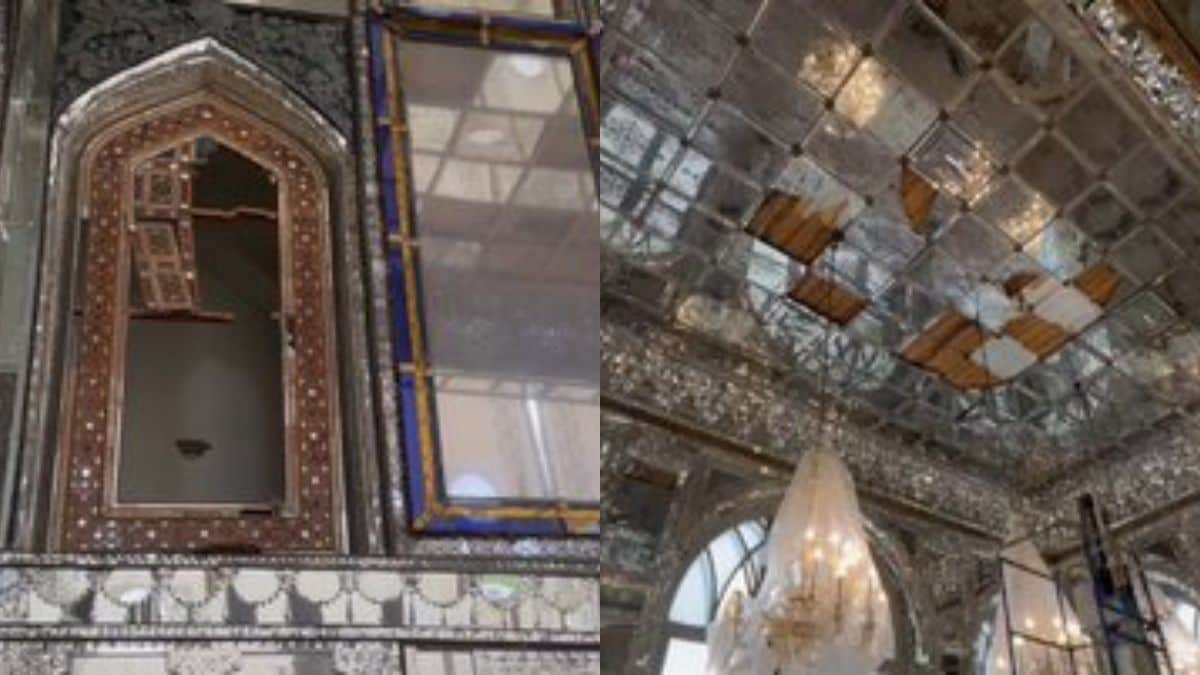
The Golestan Palace, a UNESCO World Heritage Site, was reportedly damaged in a US-Israel airstrike on Iran. Photo: Iran's Today
About Tehran's Golestan Palace Hit By US-Israel Airstrikes
The Golestan Palace is a historically significant site located at the heart of the capital. Dating back to the 16th century, it is a crucial part of the Persian royal heritage, embodying the influential reign of the Qajar dynasty followed by the Pahlavi dynasty.
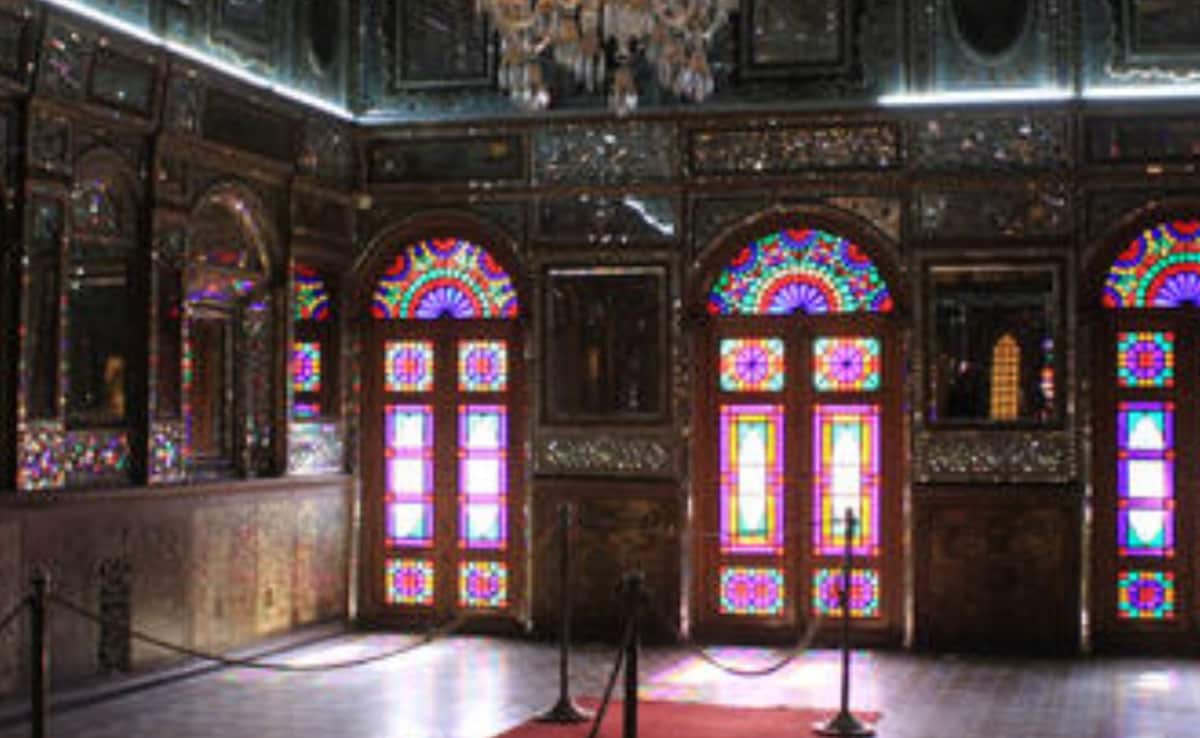
It was the residence of the ruling royal family, but eight of the key palace structures served as museums in the present day until they were damaged in the US-Israel strike on Tehran. It featured the introduction of European motifs and styles, blending with Persian arts. It was not only the residence of the ruling family, but it also served as the cultural centre of Qajari arts and architecture.
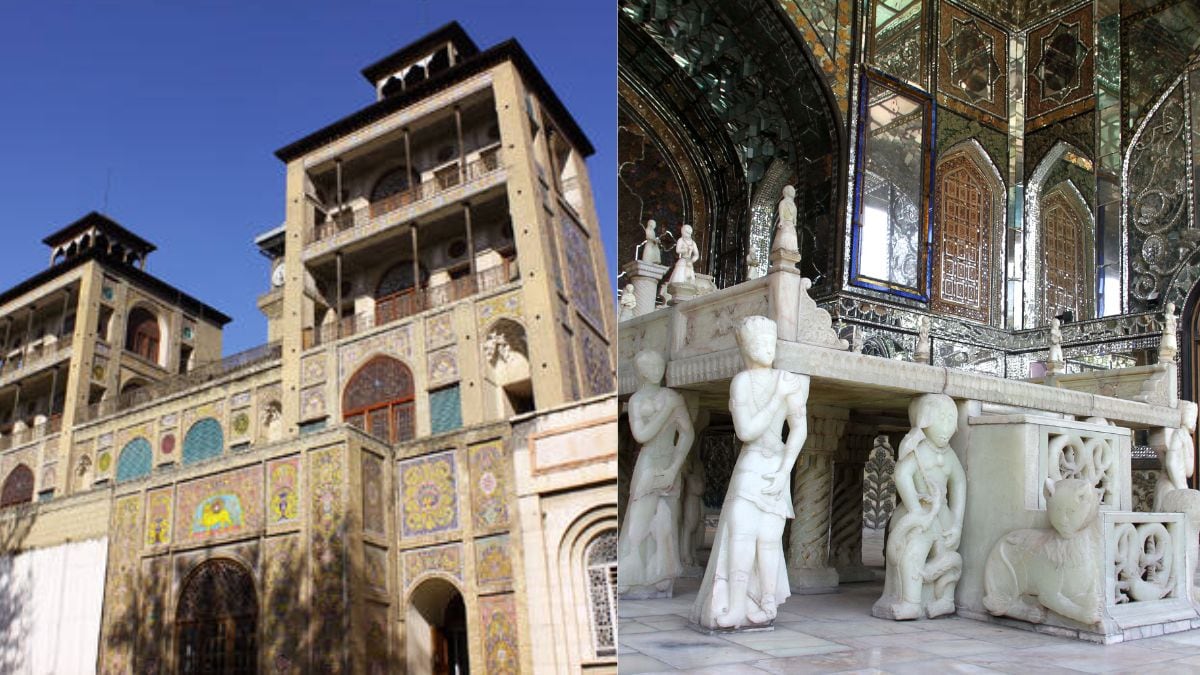
The Golestan Palace featured the introduction of European motifs and styles, blending with Persian arts. Photo: UNESCO, AFP
History Of Tehran's Golestan Palace Damaged In Airstrikes
Tehran's citadel was reportedly built during the reign of Tahmasp I, the second Shah of Safavid Iran. Later, Abbas the Great, the fifth Safavid Shah of Iran, built a large garden in the northern area of the fence.
It was later surrounded by a high wall, and buildings were built in the complex. The palace was reportedly renovated by Karim Khan of the Zand dynasty (1750-1797). It became the seat and official residence of the Qajars (1794-1925), when they chose Tehran as the capital of their dynasty. The existing complex was rebuilt to its current form in 1865 by Haji Ab ol Hasan Mimar Navai.
During the Pahlavi era (1925-1979), the Golestan Palace served as the venue for formal receptions. They built other palaces, but some of the most important ceremonies, like the coronations of Reza Shah in 1926, Mohammad Reza Shah and Shahbanu Farah in 1967, took place in the Golestan Palace. Between 1925 and 1945, a large part of the complex was destroyed by Reza Shah, according to whom, the citadel was hindering the growth of modern Tehran.
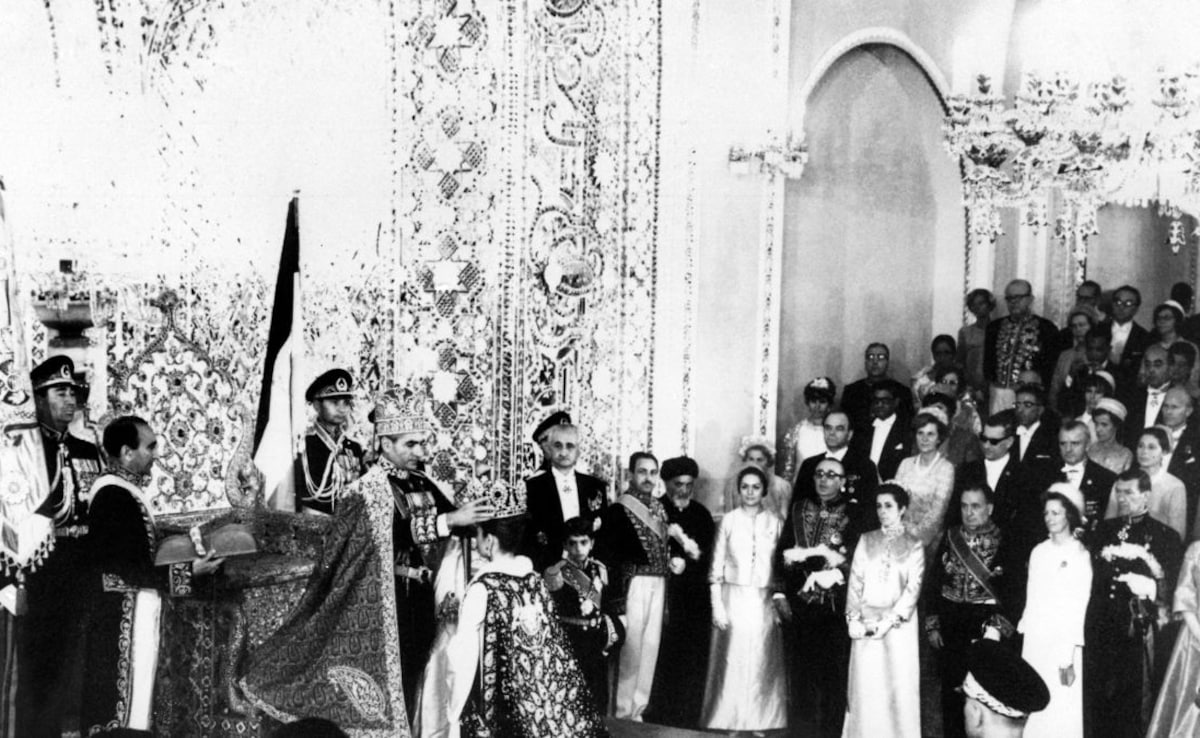
The coronation ceremony of Shahbanu Farah in 1967. Photo: AFP
The old structures were replaced by modern and commercial complexes in the 1950s and 1960s.
Inside The Golestan Palace
The Golestan Palace had 17 structures, including museums, palaces, and halls. Most of the citadel was constructed during the 131-year rule of the Qajars.
It was the main building used by the royals for important events like coronations and celebrations. Before getting damaged in the airstrikes, it included a library of manuscripts, a photographic archive, and an archive of documents.
Some of the most treasured sites in the complex included
- Marble Throne - A was a throne made of marble stone, built between 1747-1751
- Karim Khani Nook - It was a part of the interior residence of Karim Khan of the Zand Dynasty
- Pond House - It was used as a summer chamber during the Qajar era
- Brilliant Hall - Naser ed Din Shah led its construction, and it featured Iranian mirror-work, called Ayeneh-kari
- Containers' Hall - It replaced the building of Narenjestan in the north of the Ivory Hall
- Ivory Hall - It was used as the dining hall and decorated with gifts presented by European monarchs to Naser ed Din Shah
- Mirror Hall - It was a small hall designed by Haj Abd ol Hossein
- Salam Hall - It was designed to be a museum and temporarily housed the Peacock Throne, looted by Nader Shah from Delhi, India
- Diamond Hall - It was constructed by Fath Ali Shah and stood as a symbol of exceptional mirror work and known for diamond-like vaulted ceilings
- The Windcatcher Mansion - It was built under Fath-Ali Shah Qajar and served as the summer residence
- Edifice of the Sun - It was a 5-story Qajar-era tower built with two arched, identical, and tiled towers
- Abyaz Palace - It was completed in 1883 and exhibited the Ottoman gifts
- Photographic Archive - It included the early photographic collection of the palace from the 19th century. It mentioned that photography was common among the royals at the palace
Golestan Palace is synonymous with the cultural heritage of new-age Iran. It even featured on the reverse of a 1974 5,000 Iranian rial banknote.
The Golestan Palace featured on the reverse of a 1974 5,000 Iranian rial banknote. Photo: UNESCO
UNESCO Expressed Concerns Over Damages Caused To The Golestan Palace In Tehran
Since the Golestan Palace is a UNESCO World Heritage Site, the organisation took to social media to express its concerns over its protection amid escalating tension in the Middle East.
"The Golestan Palace in Tehran, a UNESCO World Heritage site, was reportedly damaged by debris and the shock wave following an airstrike on Arag Square, located in the buffer zone of the site in the Iranian capital," the statement confirmed the damage caused to the palace.
"UNESCO continues to closely monitor the situation of cultural heritage in the country and across the region, with a view to ensuring its protection. To that end, the Organization has communicated to all parties concerned the geographical coordinates of sites on the World Heritage List as well as those of national significance, to avoid any potential damage," the statement further read.
"UNESCO recalls that cultural property is protected under international law, notably the 1954 Hague Convention for the Protection of Cultural Property in the Event of Armed Conflict, including its enhanced protection mechanism, as well as the 1972 Convention concerning the Protection of the World Cultural and Natural Heritage," the organisation further noted.
UNESCO expresses concern over the protection of cultural heritage sites amidst escalating violence in the Middle East.
— UNESCO 🏛️ #Education #Sciences #Culture 🇺🇳 (@UNESCO) March 2, 2026
On Monday 2 march, the Golestan Palace in Tehran, a UNESCO World Heritage site, was reportedly damaged by debris and the shock wave following an airstrike to… pic.twitter.com/qhux4x8ZAE
What once was a glorious gateway into Iran's Persian heritage now lies buried beneath debris, reduced to shattered glass, its grandeur lost to conflict.
Also Read | Khamenei's Posts On Reading And Book By Nehru Go Viral After His Death In US-Israel Strikes
Track Latest News Live on NDTV.com and get news updates from India and around the world
