
What does it take to bring one of India's greatest epics to the big screen? If the reported budget of Nitesh Tiwari's Ramayana is anything to go by, quite a lot of money.
Starring Ranbir Kapoor as Lord Ram and Yash as Ravana, the two-part epic has reportedly been mounted on a budget of around Rs 4,000 crore. That is not just a record-breaking figure for Indian cinema. It is also a number that is difficult to wrap your head around, even if you are used to seeing blockbuster budgets make headlines.
Actor and co-producer Yash recently clarified that the much-discussed amount covers both parts of the film, including their release and promotional expenses, and not just the production cost of the first instalment. As he explained, a global release comes with its own set of costs, but also opens the door to a worldwide audience.
But here is another way to look at that staggering sum. The reported budget of Ramayana is higher than the projected annual economic output of five countries in 2026. Yes, the money being spent on a film franchise exceeds the value of everything produced in these countries over an entire year.
From a tiny Pacific nation known for its atolls to a country famous for its spectacular limestone islands, here are five countries whose annual GDP falls short of Ramayana's reported budget.
1. Tuvalu
Projected 2026 GDP: approximately US$65-83 million, depending on the estimate.
Tuvalu, a small island nation in the Pacific Ocean, is one of the world's smallest economies. Made up of low-lying islands and atolls surrounded by striking blue waters, the country is a far cry from the sprawling cinematic universe being built for Ramayana.
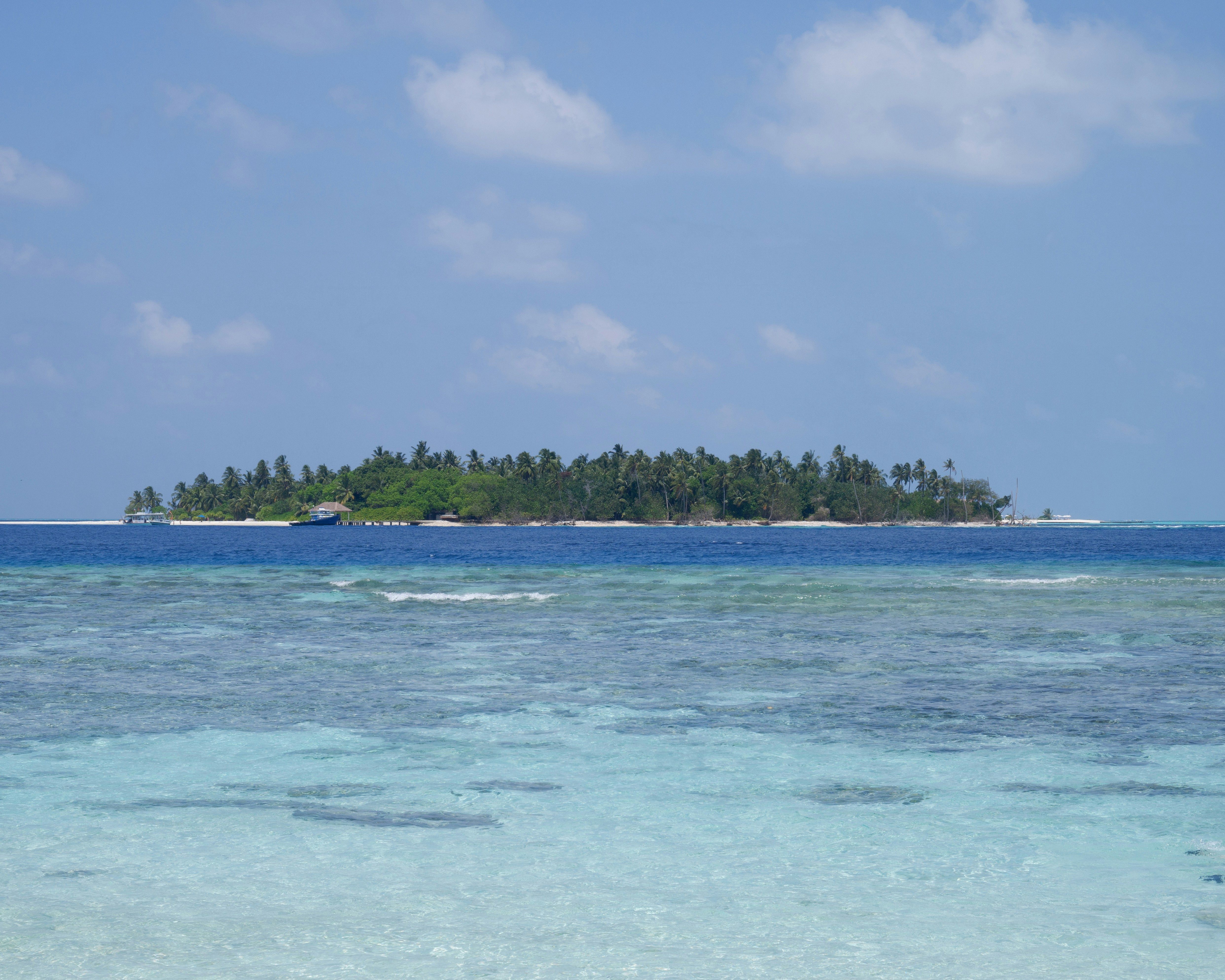
Tuvalu, a small island nation in the Pacific Ocean. Photo: Unsplash
Its projected annual GDP is estimated at less than Rs 750 crore, based on an illustrative exchange rate of Rs 90 to the US dollar.
2. Nauru
Projected 2026 GDP: approximately US$196 million, or Rs 1,764 crore.
Nauru, another small island nation in the Pacific, has an economy shaped in part by its history of phosphate mining. Today, its economic activity includes services and other sectors, but its overall output remains relatively modest as the country has only 12,127 people.
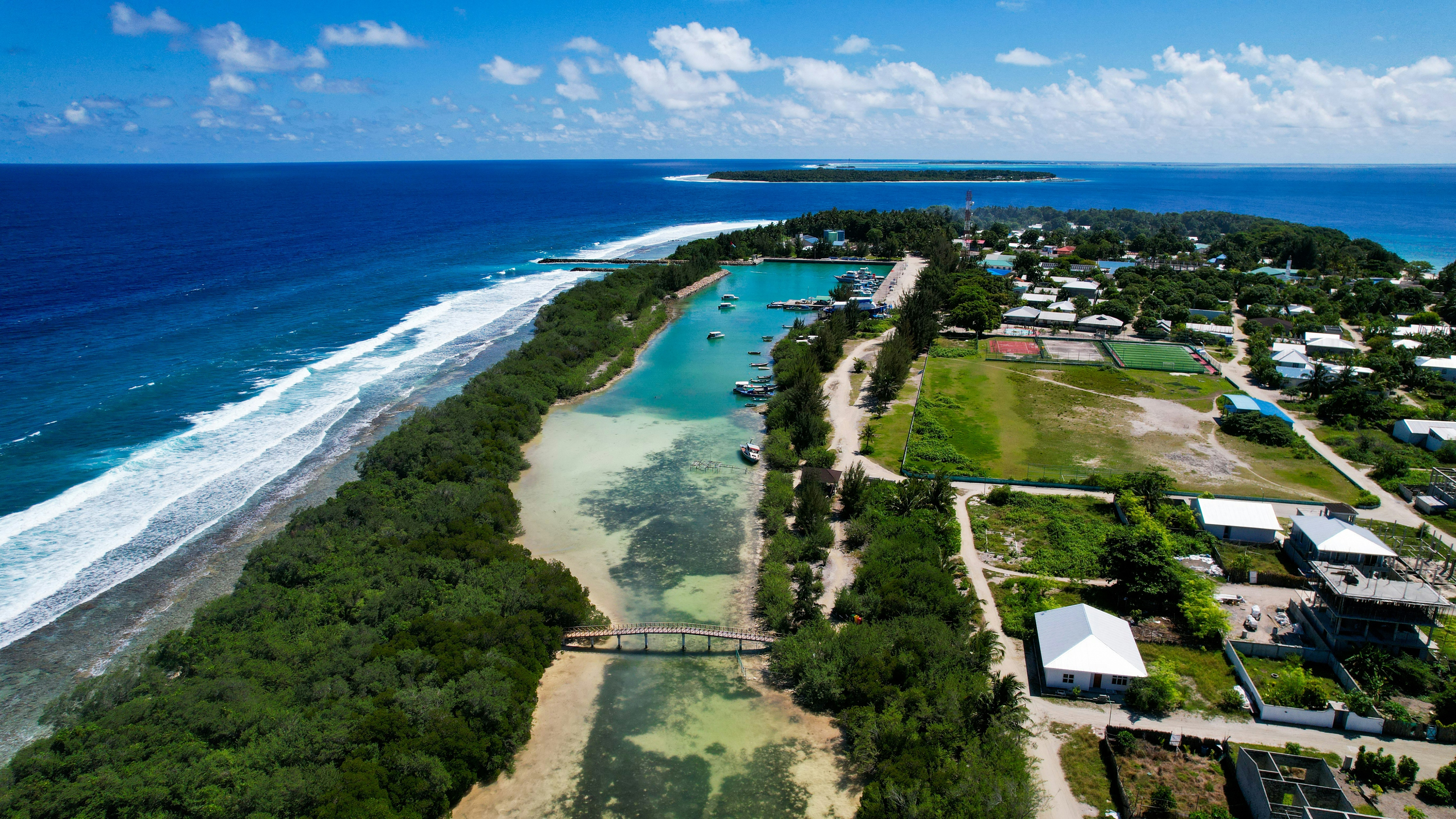
Nauru is a small island nation in the Pacific. Photo: Unsplash
With a projected nominal GDP of around US$196 million, Nauru's annual economic output is worth less than half of Ramayana's reported budget.
To put that in perspective, the combined investment in the two films is more than twice the value of the goods and services Nauru is expected to produce in an entire year.
3. Marshall Islands
Projected 2026 GDP: approximately US$342 million, or Rs 3,078 crore.
The Marshall Islands, located in the central Pacific, are known for their coral atolls and marine landscapes. Its economy draws on services, fishing, external assistance and other sources of income.
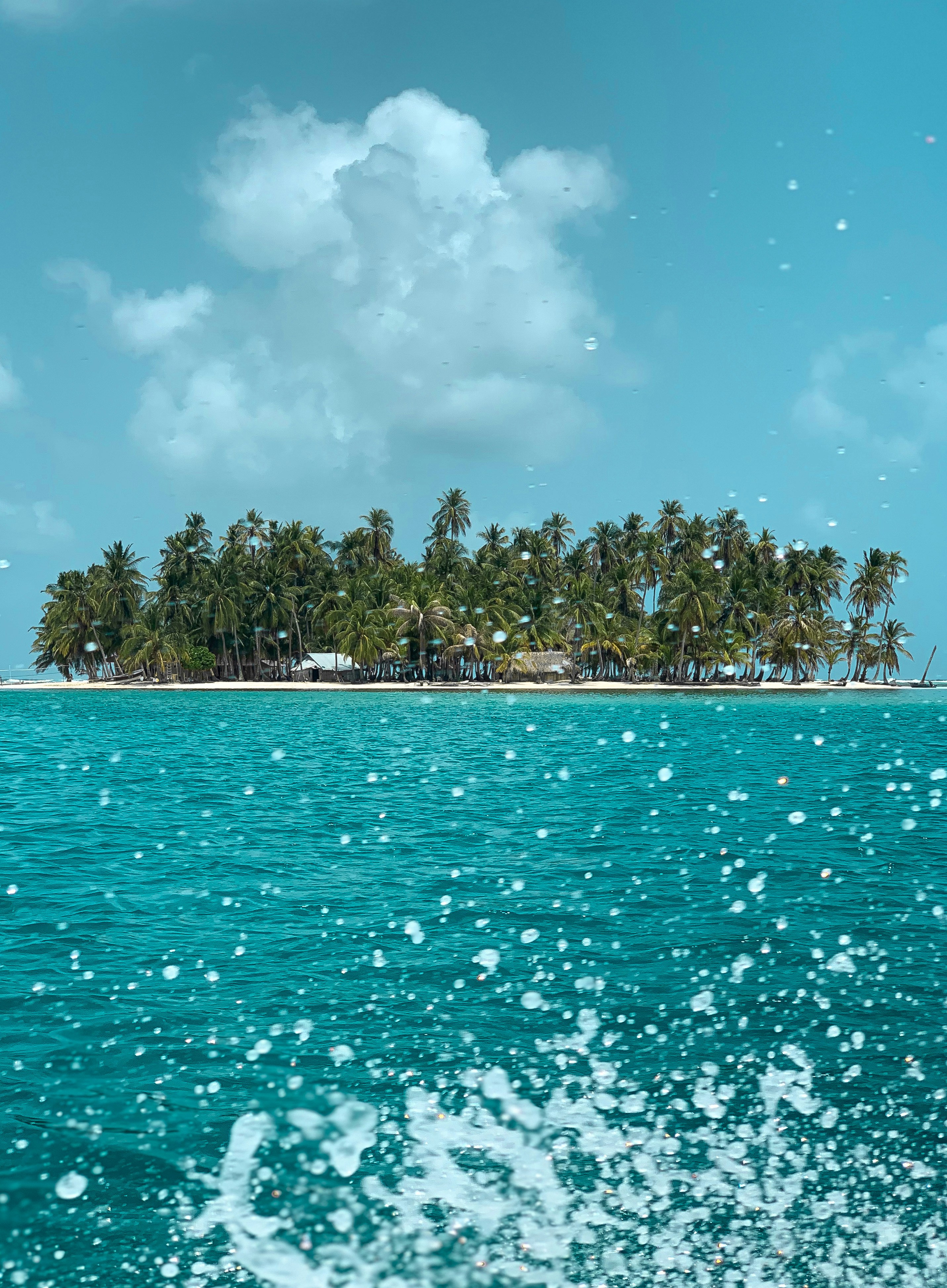
The Marshall Islands are located in the central Pacific. Photo: Unsplash
Its projected annual GDP of around US$342 million translates to approximately Rs 3,078 crore at an illustrative exchange rate of Rs 90 to the US dollar.
That puts the country's annual economic output nearly Rs 1,000 crore below Ramayana's reported budget. The Marshall Islands is known for its natural landscapes.
4. Kiribati
Projected 2026 GDP: approximately US$402 million, or Rs 3,618 crore.
Kiribati is spread across a vast expanse of the Pacific Ocean, with its islands and atolls scattered across the equatorial region. Its economy relies on fishing, public services, remittances and international assistance, among other sources.
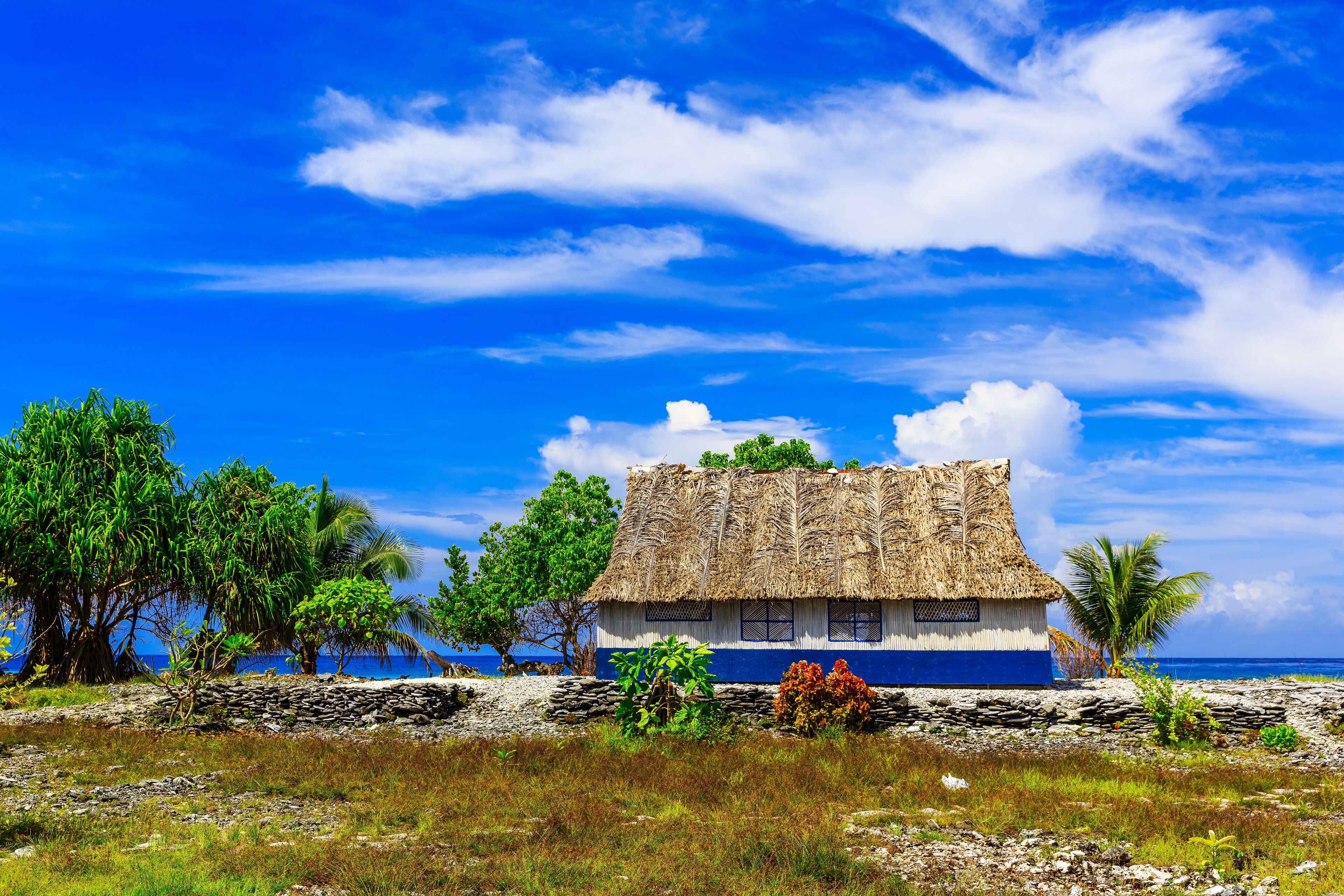
Kiribati, officially the Republic of Kiribati, is an archipelagic country spanning the Micronesia and Polynesia sub-regions of Oceania. Photo: Unsplash
With a projected GDP of around US$402 million, or Rs 3,618 crore, Kiribati comes remarkably close to the Rs 4,000-crore mark. But even here, Ramayana has the upper hand.
5. Palau
Projected 2026 GDP: approximately US$373 million, or Rs 3,357 crore.
Palau looks like the sort of place where a filmmaker could spend an entire production budget just scouting locations. The Pacific nation is known for its limestone islands, clear waters, coral reefs and marine tourism.
Yet its projected annual GDP of around US$373 million, or Rs 3,357 crore, is still below the reported cost of Ramayana's two parts.
Where Does Ramayana Stand In India's Big-Budget Film Race?
The Rs 4,000-crore figure becomes even more striking when compared with some of India's biggest cinematic productions. While budgets vary depending on whether they include marketing, distribution and other expenses, Ramayana's reported combined investment is several times the reported cost of many Indian blockbusters, making it the most expensive Indian film. Have a look at some of them:
- Ramayana (Parts 1 and 2): Rs 4,000 crore
- Kalki 2898 AD: Rs 600 crore
- 2.0: Rs 570 crore
- RRR: Rs 550 crore
- Adipurush: Rs 500-550 crore
- Brahmastra: Part One: Rs 375-410 crore.
The comparison is not entirely like-for-like, since Ramayana's reported budget covers two films and associated release and promotional costs, while the other figures generally refer to individual productions. Nevertheless, it gives an idea of the scale of the investment.
Point To Note
There is one important distinction to keep in mind. GDP measures the value of goods and services produced within a country over a year. It does not represent the government's annual budget, the country's total wealth or the amount of money its government can spend.
The GDP figures used for these comparisons are approximate 2026 nominal estimates and may vary across sources. Rupee conversions are illustrative, using Rs 90 to the US dollar. The reported Rs 4,000-crore Ramayana figure, meanwhile, covers both parts and their associated release and promotional expenses, as clarified by Yash.
Track Latest News Live on NDTV.com and get news updates from India and around the world
