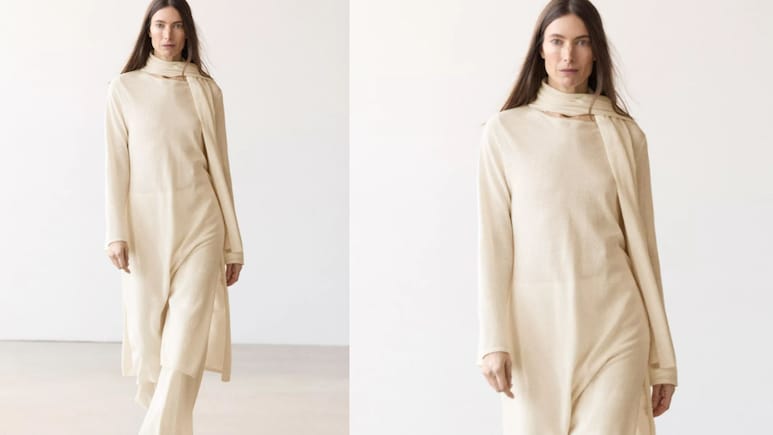
India has always been a quiet powerhouse in global fashion. From silhouettes to textiles, its influence has travelled far and wide. Yet, more often than not, the credit seems to get lost somewhere along the journey.
The "Tunic Dress" That Felt Too Familiar
The latest example comes from Massimo Dutti. The Spanish label recently introduced a flowing "tunic dress" paired with pants - a look that feels strikingly familiar to anyone who owns a simple kurta and dupatta. The price? Nearly Rs 12,000.
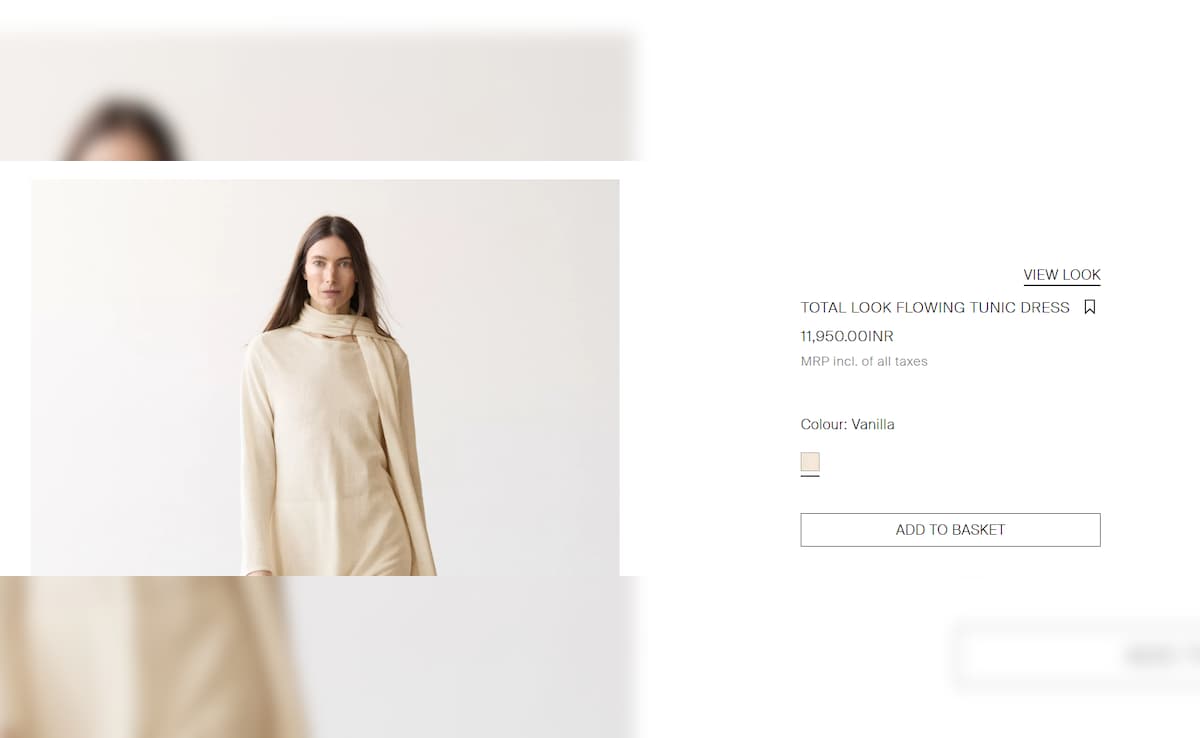
The internet, of course, had thoughts - and they did not hold back.
One user on X called it out directly, writing, "A brutal cultural appropriation by western brands."
A brutal cultural appropriation by western brands. pic.twitter.com/oc0AmzHVVI
— Adeela. (@AdeelaCSV) March 24, 2026
The reactions kept pouring in, each more relatable than the last.
A user commented, "My mum has this same churidar. She bought it for 1000 rupees(Indian) from Fashion Fabrics near Thrissur post office road."
Another wrote, "Tunic dress. That is a shalwar kameez."

Some of the other comments read, "What's a tunic dress. It's a shalwar kameez."
"That's literally a kurta pajama with a dupatta."
"This is what people wear to funerals."
Some comments even reflected deeper frustration. "They steal everything. Such a hollow and culture-empty race."

While the tone varies from humour to anger, the underlying sentiment is clear - the global fashion industry often borrows from Indian wardrobes, but rarely acknowledges the source.
And this is not a one-off moment.
Take Ralph Lauren's Fall 2026 presentation in Paris. Amid sharp tailoring and polished runway looks, something distinctly Indian stood out - jhumkas.
But when it came to credit, India didn't make the cut. The brand described the collection as, "Featuring vintage accessories and select pieces crafted by Native American designers Neil Zarama, Jimmy Begay, and TÓPA as part of Ralph Lauren's Authentic Makers and Artist in Residence programs."
And now Jhumka's at Ralph Lauren https://t.co/WJOomMYpvb pic.twitter.com/5jD8UxbwFI
— The Editteur 🤎🧺🏹 (@TheEditteur) March 6, 2026
The earrings may have spoken an Indian design language, but the acknowledgment stayed elsewhere.
When Everyday Indian Wear Becomes "Luxury"
Then there was Prada, which last year showcased sandals on the Milan runway that looked almost identical to Kolhapuri chappals - a staple handcrafted in India for generations. The price tag crossed Rs 1.2 lakh, but any mention of Indian craftsmanship was noticeably absent.
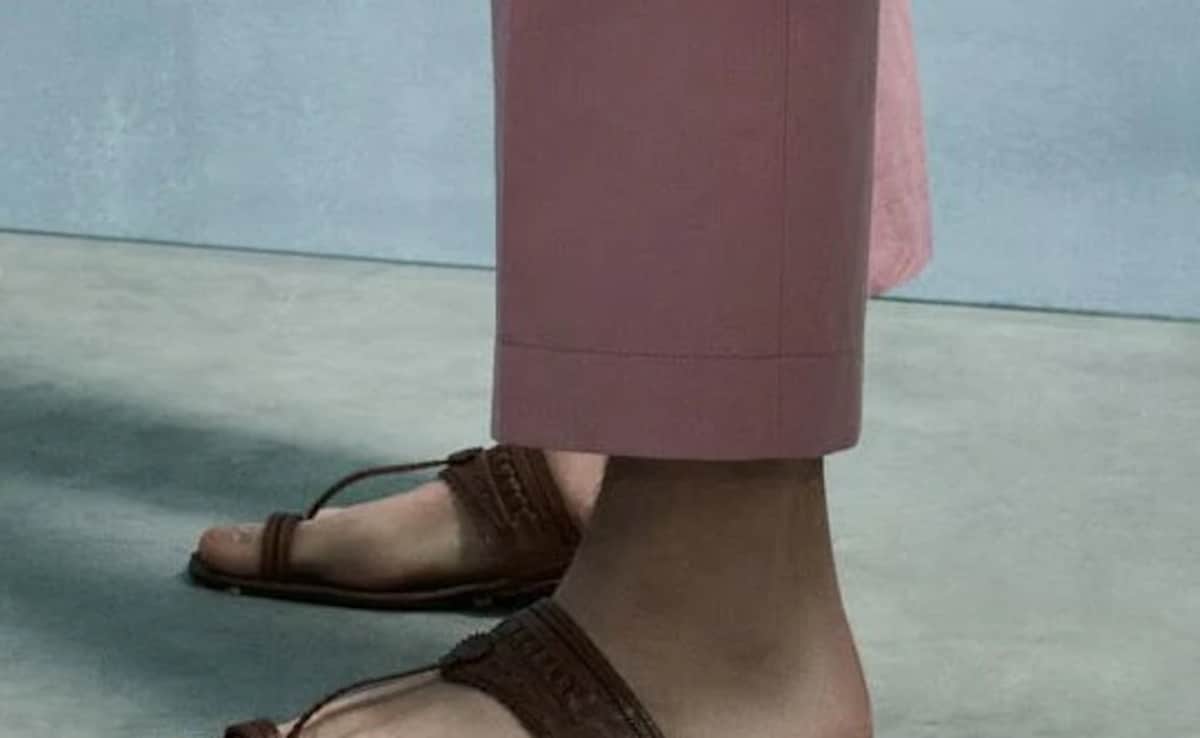
Prada, but make it heritage. Photo: Prada
Even outside luxury fashion, the story remains the same. European influencers once rebranded a simple dupatta as the "Scandinavian scarf," presenting it as a fresh, minimalist trend from the north. Fashion platforms quickly picked it up, describing it as a chic European accessory - a reinvention that conveniently skipped its Indian roots.
Same design, new name
At this point, it almost feels like a pattern.
What is everyday wear in India becomes "elevated" once it crosses borders. A kurta turns into a tunic dress. Kolhapuris become luxury sandals. A dupatta becomes a Scandinavian aesthetic.
ALSO READ: Prada Is Selling A Safety Pin For Rs 69,000. "Grandma Could Do Better," Pricks Internet
Track Latest News Live on NDTV.com and get news updates from India and around the world
