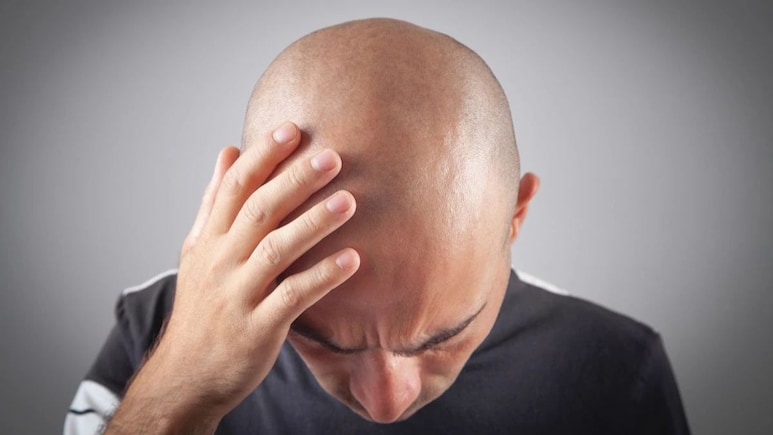
- Men's hair loss often stems from underlying internal imbalances beyond scalp issues
- Traya Health analysed 1.6 lakh Indian men’s health data from 2024 to 2025 across ten states
- Gut health decline, measured by constipation, correlated with increased male hair loss
Hair loss is one of the most worrying concerns for people across the world. Hair thinning, a receding hairline, and other related issues have become increasingly common among all genders. For men, however, hair loss is not just a cosmetic problem - it often affects confidence on a daily basis.
Many avoid taking photographs, some wear caps to work, and others dread family gatherings where relatives comment on their thinning hair. Despite their efforts, most treatments fail because they rarely address the underlying causes beyond the scalp.
Traya Health, which works on the principle that hair fall is a symptom of deeper internal imbalances, recently set out to identify a major indicator behind the condition. The company analysed more than 1.6 lakh Indian men's self-reported health assessments collected in December 2024 and December 2025 across India's ten regions: Maharashtra, Uttar Pradesh, Delhi NCR, Telangana, Bihar, Rajasthan, Madhya Pradesh, West Bengal, Gujarat, and Tamil Nadu. They examined gut-health markers, using constipation frequency as a key indicator of digestive function, to track year-to-year changes that may link declining gut health with male hair loss.
Gut Health - A Key Indicator Of Hair Loss
The report found that very few men reported better gut health in 2025 than in 2024. The decline appears to be a national trend and is most prominent in India's largest urban and economically active states.
Region-wise, the percentage of men reporting little or no constipation between December 2024 and December 2025 saw the biggest drop in Telangana at around 4.10 percentage points, followed by Rajasthan (3.30 pp) and Delhi NCR (2.97 pp). Other states with noticeable declines included Madhya Pradesh (2.30 pp), Gujarat (2.27 pp) and Bihar (2.00 pp).
According to the report, tens of thousands of men also shifted from experiencing digestive comfort to showing signs of chronic gut strain. Importantly, this trend is not linked to rural areas or undernutrition. Rather, it is most common in India's urban, educated, and economically active regions, suggesting that modern lifestyle patterns are a major factor. These include:
Ultra-processed foods becoming widely accessible through 10-minute delivery platforms
Irregular meal timings driven by hectic schedules and an always-on work culture
Chronic under-hydration, especially among working professionals
Stress-related eating, which has increasingly become a normalised coping mechanism
The other problems noted in the research connecting gut dysfunction to hair loss include:
Nutrient Absorption Failure
The gut is responsible for absorbing the protein, iron, zinc, and B vitamins that hair follicles depend on. Hair fibres are approximately 90% keratin, a protein built from amino acids. When gut function is compromised through inflammation, microbiome disruption, or impaired motility, these nutrients fail to reach the follicle in adequate quantities. The result is structurally weaker hair and increased shedding.
Chronic Systemic Inflammation
A struggling gut can trigger systemic low-grade inflammation, disrupting the hair growth cycle. Under inflammatory stress, hair follicles may prematurely shift from the growth phase (anagen) to the resting phase (telogen). Ultimately, the growth slows, shedding accelerates, and the cycle of visible thinning begins.
"Hair loss is not a cosmetic problem. It is the body's earliest internal warning signal. When the gut is under strain, hair is the first system to react and yet most treatments still only address the scalp. At Traya, we treat the root cause: gut health, nutrition, hormones, and stress alongside the hair,” said Saloni Anand, co-founder of Traya.
Also Read: Why Does Coffee Make Some People Sleepy? What Science Says
Track Latest News Live on NDTV.com and get news updates from India and around the world
