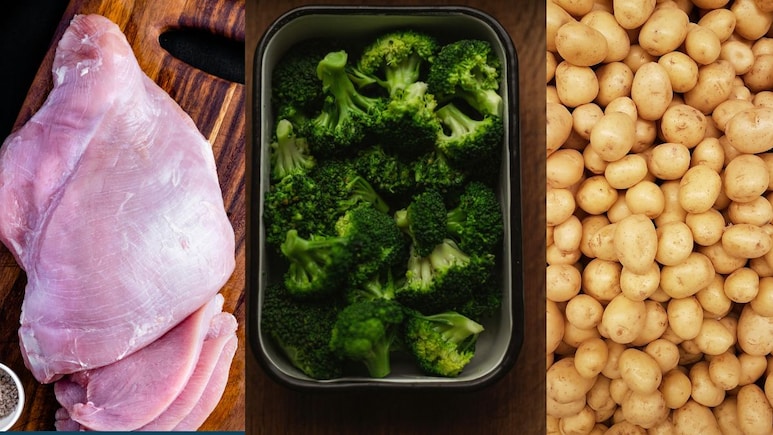
- Chicken Potatoes Broccoli (CPB) diet focuses on these foods with olive oil and limited drinks only
- Users report 5 to 14 pounds lost in a month with reduced body fat and increased mental clarity
- The diet is high protein high fibre and low calorie aiming to reduce cravings and food noise
It sounds like a parody of every diet you've ever tried and abandoned by Day 3. Chicken, potatoes, broccoli, repeat. And yet, the CPB diet, short for Chicken, Potatoes, Broccoli, is quietly taking over fitness corners of Instagram for delivering surprisingly sharp fat loss results, even as people call it the "world's most boring diet".
The Diet That Has Taken Over Your Feed
Scroll through fitness Reels right now and you'll likely spot someone plating the same trio again and again. The buzz began after Jeremy Ethier shared his experiment titled "It's boring, but it destroys your body fat in 30 days".
What followed was predictable internet chaos. Before-and-after clips, meal prep montages, and brutally honest "I'm so bored" updates flooded Instagram and TikTok.
But the results are what hooked people. Anecdotal reports claim drops like 5 to 14 pounds in a month, alongside noticeable body fat reduction. For many, the appeal is less about novelty and more about simplicity. No calorie tracking, no complicated recipes, no guessing games.
Social media users, in particular, are documenting their journeys in real time. One creator, Riley Rehl, described it as a way to "improve my relationship with food" and "challenge myself", while being upfront that she's not recommending it yet, just testing it. Another user, hopedurenberger, shared mid-diet results saying, "food noise has lessened so much... energy and mental clarity increased", alongside a drop from 19 percent to 15 percent body fat. Influencer couple Nico Pico also joined in, reporting a combined weight loss of nearly 9 pounds in just one week.
What Exactly Is The CPB Diet
At its core, the CPB diet is aggressively simple. It focuses on a limited set of whole foods to naturally create a calorie deficit without tracking anything.
The basic framework looks like this:
- Unlimited chicken breast (or tofu for vegetarians)
- Potatoes as the primary carbohydrate
- Broccoli and carrots as the main vegetables
- Just one tablespoon of olive oil per meal
- Drinks restricted to water, black coffee, or tea
Everything else is largely off the table. No sugary drinks, no artificial sweeteners, no sneaky high-calorie add-ons. Seasonings are allowed, but the idea is to keep food functional rather than indulgent.
The logic is straightforward. High protein plus high fibre equals fullness. Potatoes, often misunderstood, are actually quite satiating, while broccoli and carrots add volume without many calories. Together, they help people eat less without feeling like they are dieting.
Why Some Are Seeing Fast Results
The results, while impressive on the surface, are not entirely mysterious. This is essentially a high-protein, low-calorie, high-volume diet.
You're eating foods that:
- Keep you full for longer
- Reduce cravings by cutting out hyper-palatable processed options
- Simplify decisions so you don't overeat
Many users say the biggest change is psychological. The constant urge to snack or think about food, often called "food noise", seems to reduce. When your meals are predictable and repetitive, the emotional pull of food weakens.
There's also a behavioural reset at play. By stripping meals down to basics, the diet forces a break from sugar-heavy, ultra-processed eating patterns. For some, that alone leads to better energy levels and even clearer skin.
The 30-day "Flex"
Recognising that eating the same thing daily is not exactly sustainable, a structured 30-day version has emerged.
- Week 1 starts strictly with just the base foods.
- Week 2 introduces one new item per category, like lean beef or spinach.
- By Week 3, fruits, nuts, and other additions begin to appear.
The idea is to use the first week as a reset, then slowly reintroduce variety to make the diet more realistic long term. Plate portions are also balanced, typically one quarter protein and fats, one quarter carbs, and half vegetables, often paired with strength training and daily movement.
What Science Says
For all its viral success, the CPB diet sits firmly in the "fad with logic" category. It borrows principles from well-established nutrition science but applies them in an extreme, highly restrictive way.
No large-scale scientific studies back this exact diet. The results so far are based on small experiments and personal testimonials.
- Some experts say the diet can cause:
- Nutrient gaps due to a lack of variety
- Low-fat intake, which may affect hormones over time
- Digestive issues like bloating or constipation
- Rapid weight loss risks, such as fatigue or electrolyte imbalance
There's also the obvious issue of monotony. Diets that are too restrictive often lead to rebound eating once normal foods return.
Track Latest News Live on NDTV.com and get news updates from India and around the world
