





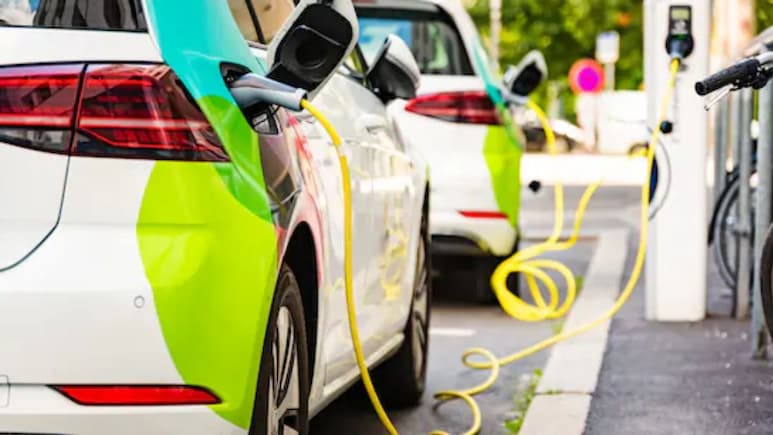
- Karnataka plans to end road tax exemption on battery-operated electric vehicles
- The Motor Vehicles Taxation Bill 2026 proposes separate lifetime tax slabs for EVs
- One-time tax will range from 10% to 14% based on EV price categories
One may soon have to shell out more bucks to buy an electric vehicle in Karnataka as the government prepares to withdraw the road tax exemption on battery-operated cars and bring those under a separate tax structure.
The Karnataka government has proposed a structured overhaul of the EV taxation through the Karnataka Motor Vehicles Taxation (Amendment) Bill, 2026, introducing specific provisions for EVs across key categories.
The bill proposes separate lifetime tax slabs for EVs such as private cars, jeeps, omnibuses, and cabs.
This marks a departure from the earlier system where EVs were largely taxed under general private vehicle categories, typically attracting rates between 13% and 18% of vehicle cost. However, buyers received a 100% exemption.
If the bill is cleared, a one-time tax of 10% will be levied on EVs ranging up to Rs 10 lakh, 12% on those between Rs 10 lakh and 20 lakh, and 14% on battery-operated vehicles costing more than 14%.
The tax will be levied as a lumpsum at the time of registration or upon migration of vehicles into the state, as per Section 4(3) of the Act.
The bill also incorporates age-based depreciation for EV taxation, with values ranging from 93% in the first year to 25% over a 15-year period.
There are provisions allowing vehicle owners to claim refunds on lifetime tax in cases of scrapping, interstate transfer, or deregistration. Refund eligibility follows a declining scale, starting at 93% within the first year and reducing to zero after 15 years.
The amendment package is expected to generate approximately Rs 250 crore in state revenue.
The bill is currently awaiting clearance by the governor to become a law.
Track Latest News Live on NDTV.com and get news updates from India and around the world

