





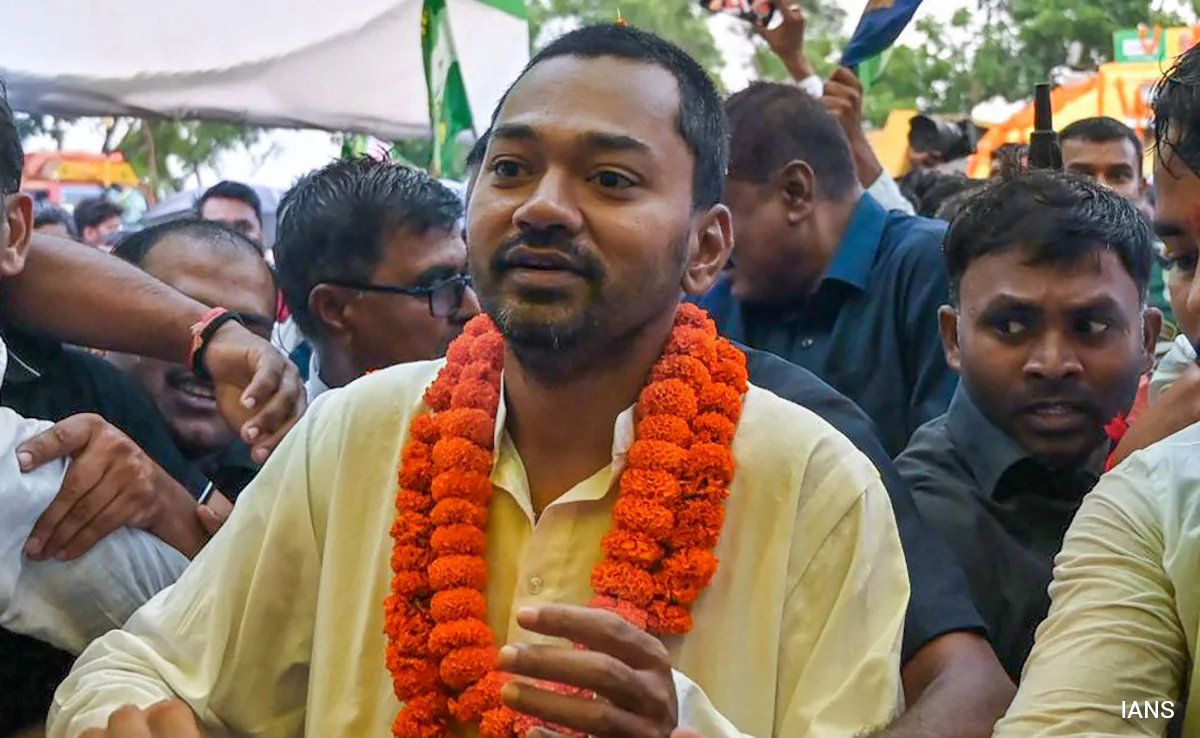
The Bihar cabinet expansion, scheduled tomorrow, will see the attendance of Prime Minister Narendra Modi, and the BJP has made big arrangements to turn it into a big occasion. Sources said Nishant Kumar may also join the cabinet. Until now, he had been reluctant to join the government, but he finally gave his consent. If he enters the cabinet, he will take oath in the presence of PM Modi.
Earlier, there was speculation he may become deputy chief minister; however, it was something he was not in agreement with. Under the JD(U) quota, Vijay Chaudhary and Bijendra Prasad Yadav were appointed Deputy Chief Ministers, although party sources indicated at the time that whenever Nishant Kumar was ready to join the government, Bijendra Prasad Yadav would step down to make way for him.
The question remains what exactly happened over the last 20 days that led Nishant Kumar to agree to join the government?
Nishant Kumar began his 'Sadbhav Yatra' (Goodwill Tour) on May 3, from Patna to Valmikinagar. His journey resumed the following day from Valmikinagar, during which he participated in various events across West Champaran and East Champaran districts.
Throughout this tour, he met with a large number of people who spoke to him about local issues and highlighted problems linked to schools and colleges. In Bettiah, a man asked him to set up a university in the Champaran region. A video clip of this interaction had gone viral on social media.
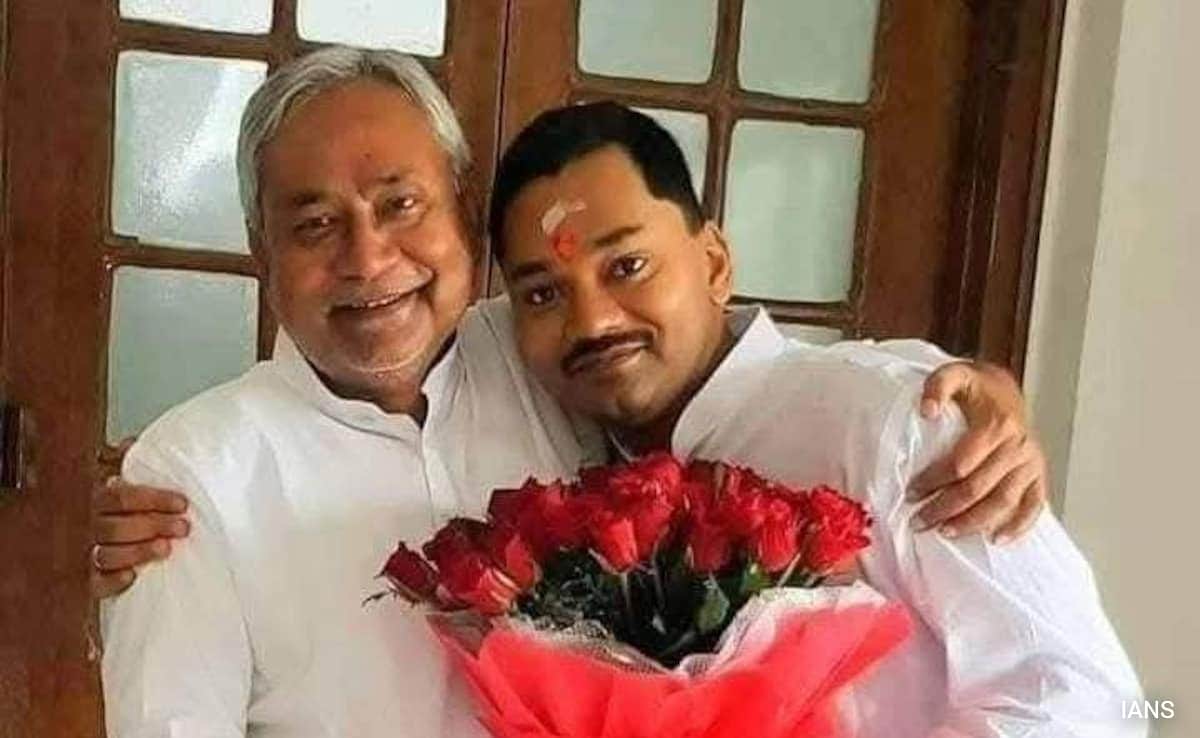
Senior JD(U) leaders close to Nishant Kumar told him that he could only fulfil such demands if he were a part of the government. They said issuing directives to officials without holding an official government position would send a negative signal, so it was essential for him to join the administration.
The JD(U) has been in power in Bihar for 20 years, and the party's chief, Nitish Kumar, has consistently maintained coordination between the government and the party organisation. He has historically performed the dual role of both chief minister and national president of the party.
Party leaders believe that Nishant Kumar's induction as a minister will ensure continued coordination and synergy between the government and the party organisation. Since Nishant Kumar's primary focus lies on the party organisation, his decisions on the government will bear the imprint of the organisation, and its interests will be prioritised.
Despite belonging to the Kurmi caste, Nitish Kumar pioneered a new form of "social engineering" in Bihar, successfully rallying the entire extremely backward classes (EBC) community to his side.
He also brought the Mahadalits into his fold. The Kurmi community has consistently remained loyal to him, regarding him as their undisputed leader. When the question of appointing a chief minister arose, Nitish Kumar exercised his veto power in favour of Samrat Choudhary, who is from the Kushwaha caste - a move that resonated deeply in Bihar where the "Luv" (Kurmi) and "Kush" (Kushwaha) communities traditionally view each other as brothers.
This decision, too, received full support of the Kurmi community.
In the post-Nitish Kumar era, the political stature of Shrawan Kumar rose significantly within both the Kurmi community and the politics of the Nalanda region; consequently, the JD(U) appointed him leader of its legislative party.
However, this development subsequently led to a confrontation between supporters of Shrawan Kumar and those of Harinarayan Singh, a senior leader. Harinarayan Singh had been elected MLA for the 10th time. A social media campaign had been launched seeking his induction into the cabinet. This made it abundantly clear that in the absence of Nitish Kumar, the landscape of Kurmi politics would not remain tranquil. This information was conveyed to Nishant Kumar.
He has many times said he wants to work for the party organisation and that he held no interest in joining the government. However, under pressure from his supporters and the prevailing political circumstances, he finally agreed to join the government.
Track Latest News Live on NDTV.com and get news updates from India and around the world

