





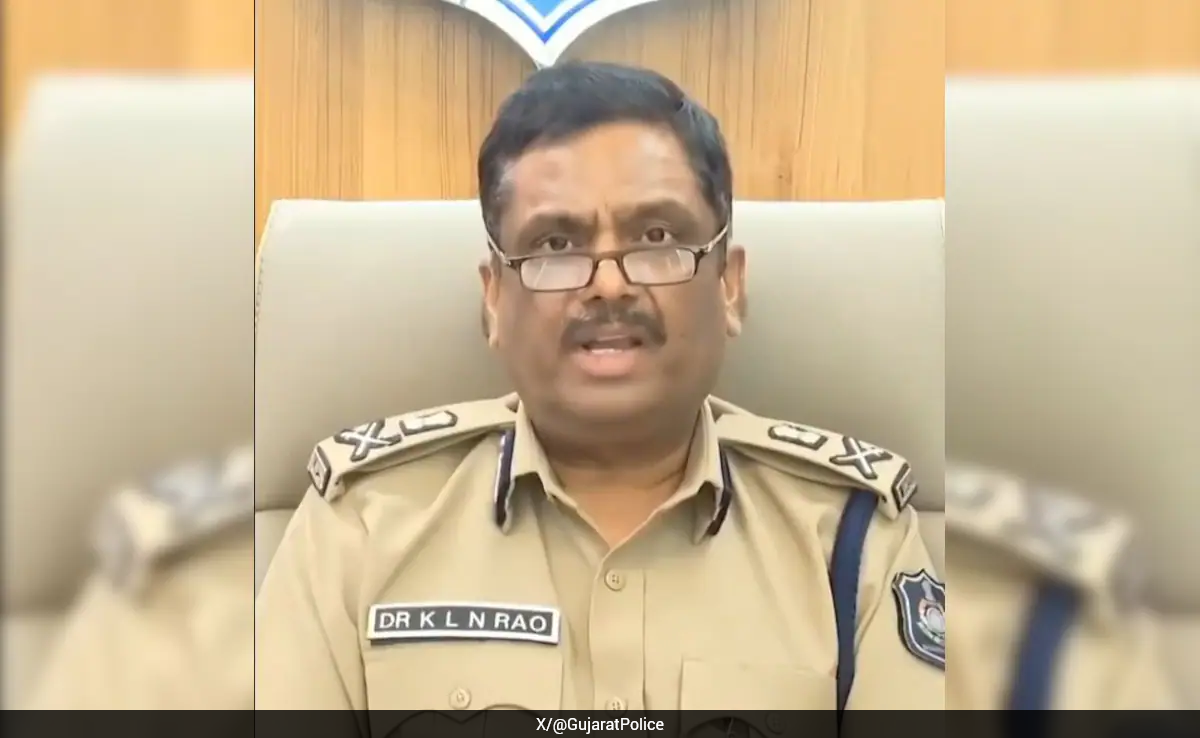
Gujarat Director General of Police Dr. K. L. N. Rao has issued strict directives to curb the practice of publicly shaming, parading and physically abusing accused persons, a long-criticised olicing approach seen across the state.
The DGP said such actions - including parading accused persons or displaying them before crowds - have dented the Gujarat Police's image and overshadow professional investigative work with images of inhuman conduct. This order, a copy of which is with NDTV, makes it clear that such "street justice" will no longer be tolerated under his leadership.
The new guidelines mandate that police officers must ensure the self-respect and dignity of an accused person remains intact from the moment of arrest through every stage of the investigation.
The DGP has barred several practices long used to publically humiliate accused persons. Police have been strictly prohibited from forcing suspects to perform squats, crawl on their knees, or subjecting them to beatings. Officers have also been told not to make the accused hold their ears, beg for forgiveness, or assume the "murga" position in public. These measures aim to prevent a repeat of such practices and ensure all police procedures adhere to humane standards.
The directive also aligns police conduct with provisions s of the Bharatiya Nagarik Suraksha Sanhita, 2023. It mandates issuing notices when immediate arrest is not required and strict adherence to identification norms, inlcuding visible names tags. The use of handcuffs has been tightly regulated under Section 43 of the BNSS, permitting it only in case involving habitual offenders or serious crimes like terrorism, rape, human trafficking, and organised crime.
In other cases, prior approval from a magistrate is required for using handcuffs or restraints during transit or public presentation.
The directive extends these safeguards to scene reconstructions, medical examinations and the transport of accused persons. The DGP has made it clear that accountability for any violations will lie with senior officers, including the DySP, ACP, SP or Police Commissioner concerned.
Any breach will invite strict disciplinary action, the directive notes. The move aims to align policing with modern legal standards and uphold constitutional rights of every individual.
Track Latest News Live on NDTV.com and get news updates from India and around the world

