


Kim Kardashian has opened up about the emotional toll of living with a condition that requires her to remain vigilant about her esophageal health for the rest of her life. The reality television star recently revealed that although her esophageal inflammation appears to have healed, doctors at the UCLA Health Center want to continue monitoring changes in the tissue lining her food pipe. The development has been particularly unsettling because her father, Robert Kardashian, died of esophageal cancer in 2003.
In an episode of The Kardashians aired on November 11, Kim received reassuring news following an endoscopy. Doctors told her that the inflammation associated with her earlier diagnosis of esophagitis had healed. They also identified a small hiatal hernia and said they would keep an eye on Barrett's-related tissue.
Calling the prospect of ongoing monitoring "scary and triggering", Kim said she wanted to be as proactive as possible. She also called out the fact that her esophagitis diagnosis was done at a health center linked to her father's esophageal cancer experience. "Because of my dad's experience, my sisters and I have opened the Robert Kardashian Health Center at UCLA," she explained. "The irony of this all, the fact that I helped to put together this building, never knowing that I would need it."

Kim Kardashian and her sisters with UCLA Health centre personnel
Photo Credit: UCLA
Her experience has brought attention to esophagitis, a condition inflammation of the food pipe that is commonly associated with acid reflux. But what causes it, when can it become serious, and does having esophagitis mean someone is at risk of esophageal cancer?
What is esophagitis? Understanding the condition
Esophagitis refers to inflammation, irritation or swelling of the esophageal lining. The esophagus is the muscular tube connecting the throat to the stomach. It transports food and liquids downwards through coordinated muscular contractions.
According to the Mayo Clinic, esophagitis can cause painful or difficult swallowing, chest discomfort and heartburn. Several factors can trigger inflammation, including:
- Acid reflux: Repeated backflow of stomach acid into the esophagus is one of the most common causes. Persistent reflux can damage the protective lining.
- Medication-induced irritation: Certain medicines, including some antibiotics, painkillers and osteoporosis medications, can irritate the food pipe, particularly when swallowed with insufficient water or immediately before lying down.
- Infections: Fungal, viral and bacterial infections can cause esophageal inflammation, particularly in people with weakened immunity.
- Eosinophilic esophagitis: This is an immune-mediated condition in which white blood cells called eosinophils accumulate in the esophagus, often in response to allergens.
The treatment depends on identifying the underlying cause rather than simply treating the symptoms.
READ | Kim Kardashian Reveals She Suffers From Esophagitis, Here's What You Should Know About The Condition
What is the connection between esophagitis, GERD and Barrett's esophagus?
Kim's diagnosis has drawn attention to three conditions that are related but should not be confused.
Gastroesophageal reflux disease (GERD) occurs when stomach contents repeatedly flow backwards into the esophagus. This happens when the lower esophageal sphincter, a muscular valve that normally prevents reflux, does not function properly. Repeated exposure to stomach acid can cause inflammation, resulting in reflux esophagitis. In some people with longstanding reflux, the normal cells lining the lower esophagus undergo changes and are replaced by cells resembling those found in the intestine. This condition is known as Barrett's esophagus.
Barrett's esophagus is considered a precancerous condition because it increases the risk of esophageal adenocarcinoma. However, most people with Barrett's esophagus do not develop cancer. Importantly, having esophagitis does not automatically mean a person has Barrett's esophagus or will develop cancer.
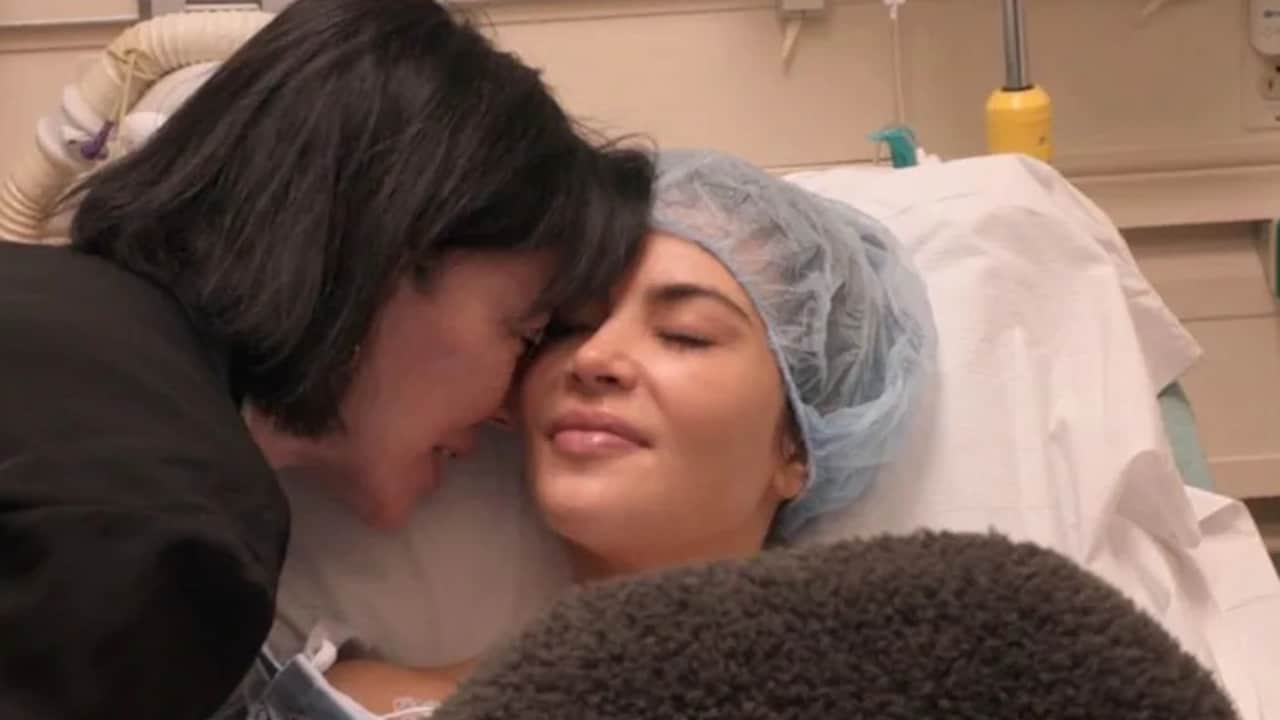
Kris Jenner with Kim Kardashian
Photo Credit: The Kardashians
Kim's doctors reportedly said they would monitor Barrett's-related tissue. This should not be interpreted as confirmation that she has esophageal cancer.
Why does Kim Kardashian need lifelong monitoring?
Kim's doctors said her inflammation had healed following an endoscopy. They also identified a small hiatal hernia, a condition in which part of the stomach pushes upwards through an opening in the diaphragm. A hiatal hernia can contribute to acid reflux by affecting the mechanism that normally prevents stomach contents from moving upwards.
Kim also shared that her father had GERD and a hiatal hernia before his death from esophageal cancer. Her family history, previous inflammation and the tissue changes identified during medical evaluation explain why continued surveillance is important to her medical team.
However, the need for repeated endoscopies is not universal for everyone diagnosed with esophagitis. Monitoring schedules depend on whether Barrett's esophagus is confirmed, the presence of cellular abnormalities, individual risk factors and previous test findings.
What are the symptoms of esophagitis Indians should watch out for?
Occasional acidity after a heavy meal is common. However, recurring symptoms should not automatically be dismissed as ordinary indigestion.
Common symptoms include:
- Persistent heartburn, particularly after meals or when lying down
- Difficulty or pain while swallowing
- A sensation of food getting stuck in the throat or chest
- Sour or bitter fluid coming back into the mouth
- Chest discomfort and persistent throat irritation
- Unexplained weight loss in more advanced cases
- Throat irritation, hoarseness and chronic cough as possible manifestations of reflux
Difficulty swallowing, unexplained weight loss, gastrointestinal bleeding, persistent vomiting and food getting stuck require prompt medical assessment. Chest pain should never automatically be attributed to acidity, particularly when it is severe or persistent.
READ | Ignoring This Common Symptom Could Lead To Life-Threatening Condition: Doctor Explains Why
Why is this relevant for Indians?
GERD is an important digestive health concern in India. A consensus statement published by the Indian Society of Gastroenterology in the Indian Journal of Gastroenterology reported that GERD prevalence estimates in India range from 7.6% to 30%, although most population-based studies reported figures below 10%.
The consensus also noted that fewer than 10% of Indian GERD patients had erosive esophagitis. Dietary habits, obesity, smoking, alcohol consumption and irregular eating patterns can contribute to reflux symptoms. However, individual triggers vary, and spicy food alone should not be considered the cause of every case of esophagitis.
In India, frequent acidity is often managed through repeated use of over-the-counter antacids or home remedies without investigating persistent symptoms. Doctors recommend eating smaller meals, avoiding lying down for at least two to three hours after eating, maintaining a healthy weight and identifying individual food triggers.
Persistent reflux may require medical treatment, including proton pump inhibitors (PPIs), which reduce stomach acid and allow damaged tissue to heal. Other treatments depend on the underlying cause.
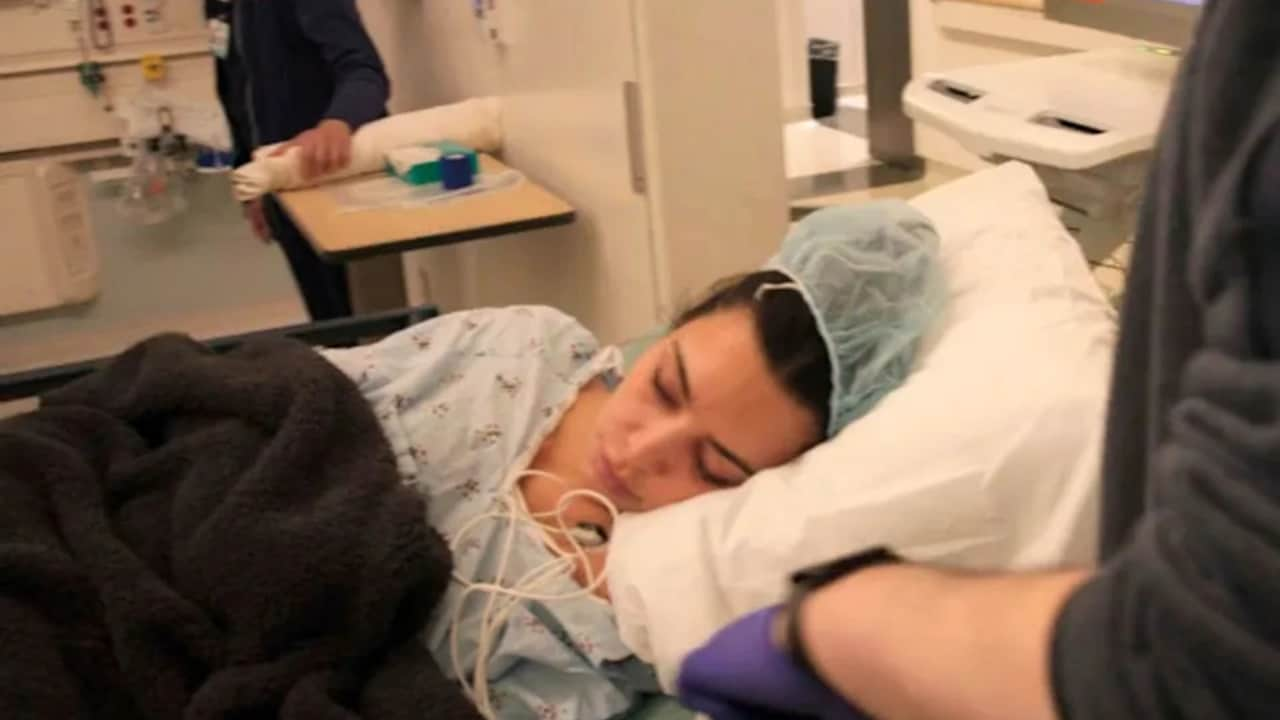
Kim Kardashian had to get an endoscopy done
Photo Credit: The Kardashians
How is esophagitis diagnosed and treated?
Doctors may recommend an upper gastrointestinal endoscopy to examine the esophageal lining and identify inflammation, ulcers, narrowing or suspicious tissue changes. Biopsies can help establish conditions such as eosinophilic esophagitis or Barrett's esophagus.
Treatment is cause-specific. Reflux-related inflammation may be treated with acid-suppressing medication, while infections require appropriate antimicrobial treatment. Medication-induced esophagitis may require changing the offending drug under medical supervision.
Patients diagnosed with Barrett's esophagus may require periodic endoscopic surveillance to detect abnormal cellular changes early. The American Gastroenterological Association's 2025 guideline recommends surveillance for patients with confirmed non-dysplastic Barrett's esophagus, with the frequency determined by clinical risk and findings.
Kim Kardashian's experience highlights why persistent acid reflux and esophageal inflammation deserve medical attention rather than repeated self-medication. Although esophagitis is often treatable, prolonged reflux can cause tissue damage and, in some people, contribute to Barrett's esophagus.
The important takeaway is that inflammation does not equal cancer, and not everyone with acidity needs lifelong endoscopies. What matters is identifying the cause, treating it appropriately and following a surveillance plan when medically indicated. Early evaluation and appropriate follow-up can make a meaningful difference to long-term esophageal health.
Disclaimer: This content including advice provides generic information only. It is in no way a substitute for a qualified medical opinion. Always consult a specialist or your own doctor for more information. NDTV does not claim responsibility for this information.