

)
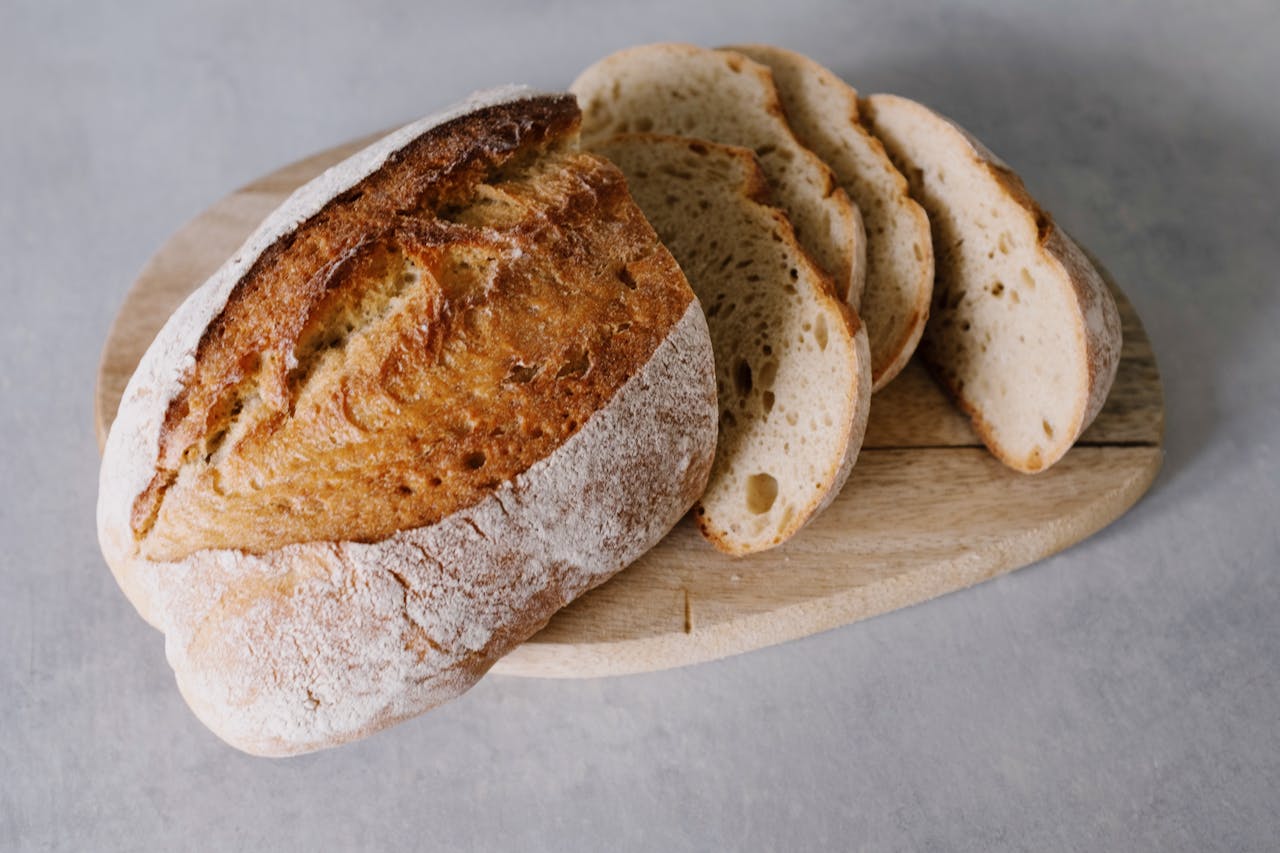
Sourdough bread, with its tangy flavour, chewy texture and artisan image, has rapidly become a trending food item in many Indian cities. From bakeries in Bengaluru and Mumbai to niche outlets in Delhi and Pune, sourdough now appears on menus and grocery shelves, often at a significant premium over regular white or whole-wheat bread. Restaurants and cafes, especially those focusing on "healthy" food, have started giving sourdough bread a starring role in their avocado toasts and sandwiches. Food influencers and some lifestyle sites have even suggested that sourdough is a kind of probiotic bread that supports gut health. But does paying more for sourdough actually translate to better gut health, or is this just a marketing narrative?
As with many fermented foods, the answer is nuanced. Scientific research shows that sourdough's long fermentation process alters the bread's structure in ways that can be good for digestion and blood sugar control. But not all sourdough loaves are created equal, and the probiotic benefits are often overstated for bread.
So, if you are wondering what real sourdough is, what its verified health benefits are, and need practical tips on how to choose quality loaves in Indian markets, here's everything you need to know.
What Is Sourdough Bread?
Unlike conventional bread that relies on commercial baker's yeast, sourdough is leavened using a natural starter, a mixture of flour and water that cultivates wild yeast and lactic acid bacteria. This fermentation process produces organic acids that make the bread rise and give it its distinct tart flavour.
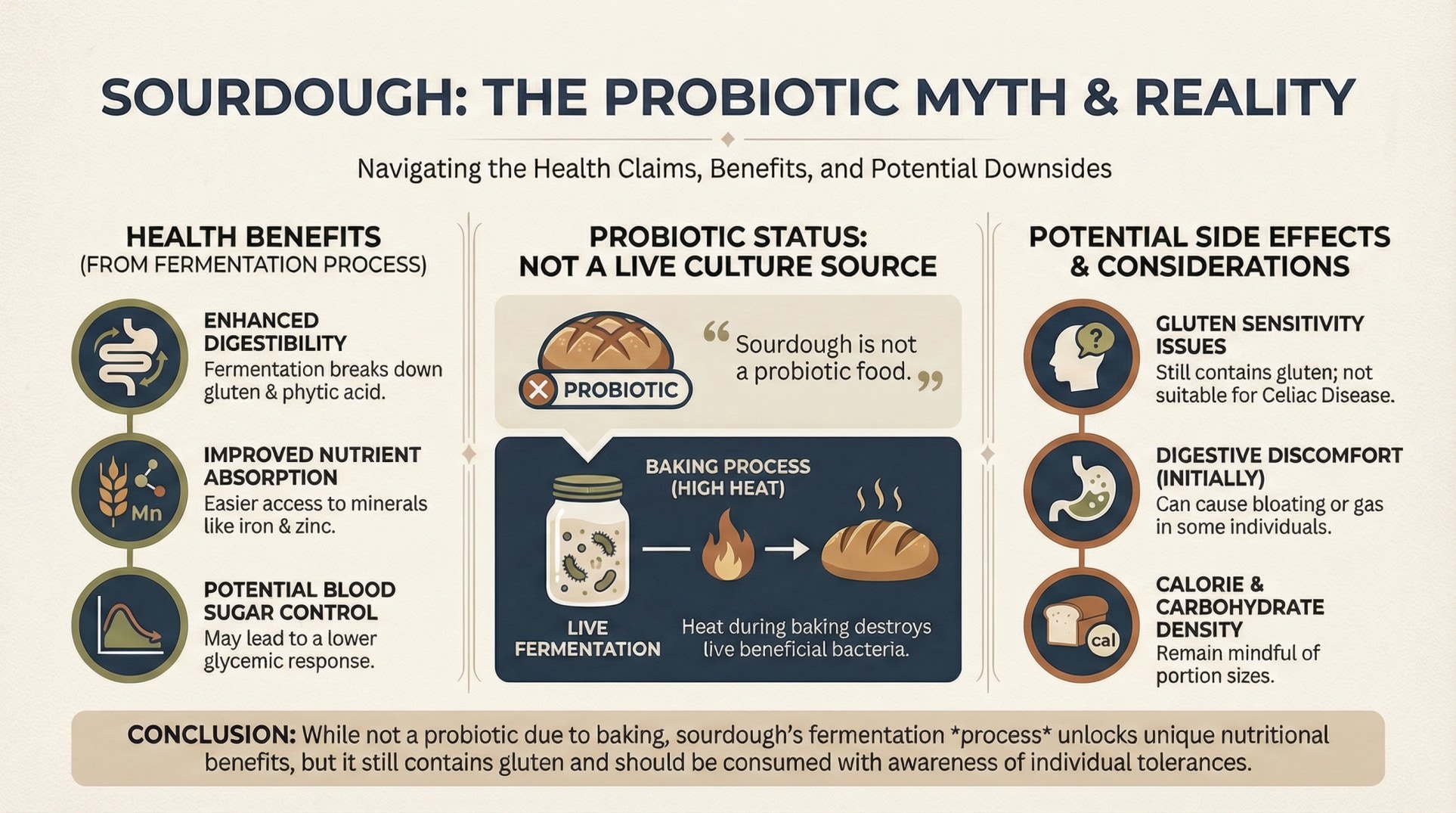
However, it's important to note that the probiotic bacteria present in the starter do not survive the baking process. High baking temperatures kill most live cultures, meaning sourdough is not a probiotic food in the same sense as yogurt, kimchi or kefir.
Potential Health Benefits Supported by Science
- Easier Digestion: The fermentation in sourdough partially breaks down gluten and some carbohydrates, which can make it easier to digest for some people, especially those with mild gluten sensitivity or sensitivity to fermentable carbohydrates (FODMAPs).
- Lower Glycemic Index: Studies, like one in Microorganisms (2021), show that sourdough has a lower glycemic index (GI) than standard bread. This means its carbohydrates are absorbed more slowly, leading to gentler blood sugar rises after eating, potentially beneficial for weight management and blood sugar control.
- Prebiotic Effects and Gut Support: Even though live probiotics don't survive baking, the fermentation process can produce prebiotics and organic acids that feed beneficial gut bacteria and promote a balanced microbiome. These compounds, sometimes called postbiotics, help create an environment in the gut favourable to good bacteria.
- Enhanced Nutrient Absorption: The fermentation in sourdough reduces levels of phytic acid, a compound in grains that can interfere with the absorption of minerals like zinc, magnesium and iron. Reducing phytic acid can improve the bioavailability of these essential nutrients.
- Richer Nutrient Profile: Because sourdough often uses whole grains or long fermentation, it may contain more B vitamins and minerals than conventional bread, though this depends on the flour used.
Is Sourdough A Probiotic? Myths vs. Reality
There's a widespread notion online that sourdough bread itself is probiotic, providing beneficial live bacteria after consumption. This is not supported by science. While sourdough starters contain lactic acid bacteria, the baking process kills these microbes. The benefits attributed to sourdough come from prebiotics and fermentation byproducts, not from live probiotic cultures.
For true probiotic benefits, fermented foods like yogurt with live cultures, kefir, pickles or kimchi are still recommended.
How to Tell If a Sourdough Is Real
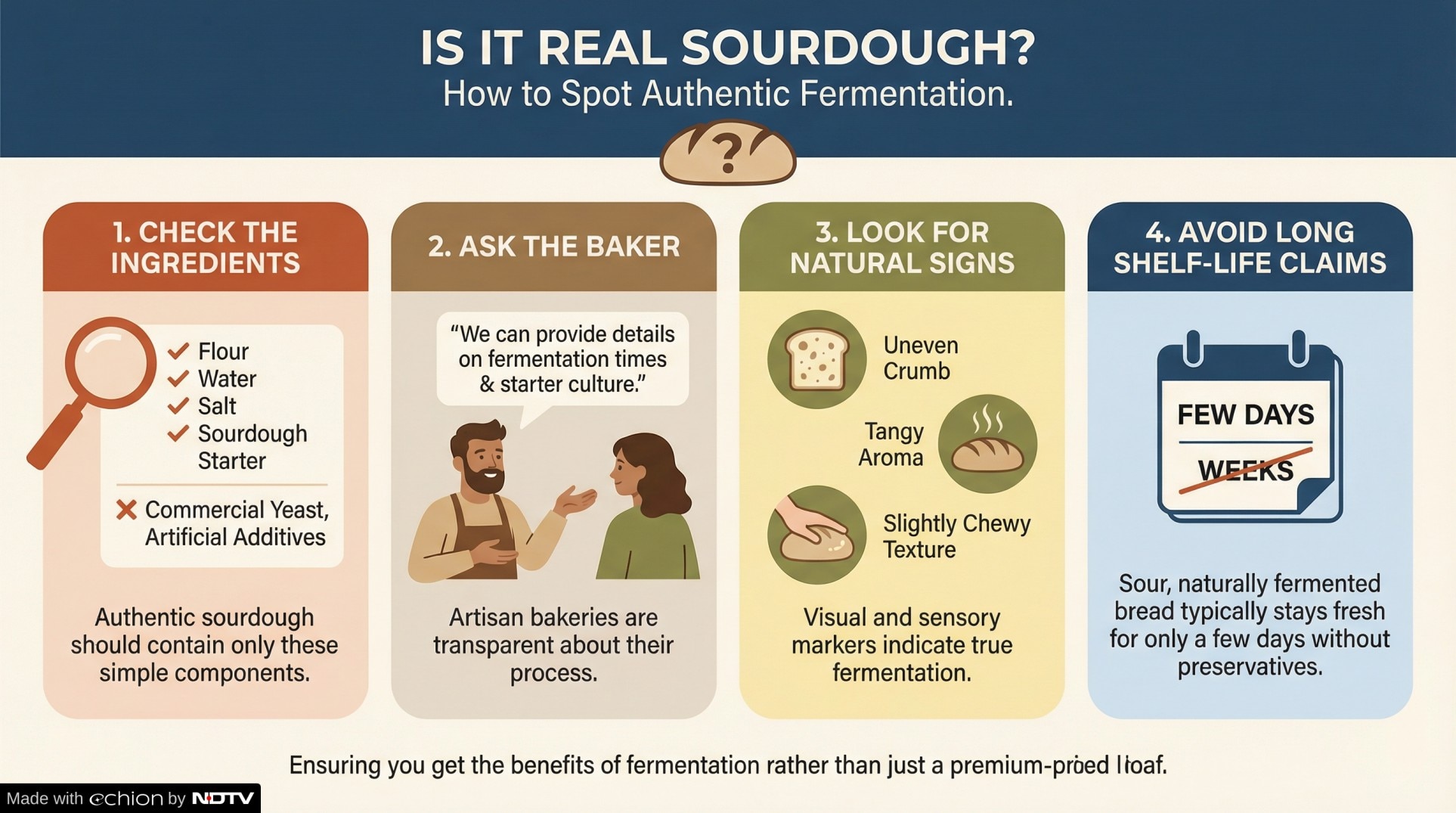
Not all bread marketed as "sourdough" is authentic. Some commercial products simply use flavourings or vinegar to mimic a sour taste. To ensure you're buying genuine sourdough:
- Check the Ingredients: Real sourdough should list only flour, water, salt and a sourdough starter, with no commercial yeast or artificial additives.
- Ask the Baker: Authentic artisan bakeries can provide details about fermentation times and starter culture.
- Look for Natural Signs: True sourdough often has an uneven crumb, tangy aroma and slightly chewy texture.
- Avoid Long Shelf-Life Claims: Sour, naturally fermented bread typically stays fresh for only a few days without preservatives.
These markers help ensure you get the benefits of fermentation rather than just a premium-priced loaf with little nutritional difference.
How to Fit Sourdough Into a Healthy Diet
While sourdough can be a nutritious component of your diet, it should be consumed in balance with other healthy foods.
- Experts emphasise that bread, including sourdough, is not a replacement for a diverse diet rich in vegetables, fruits, legumes and lean proteins.
- Pairing sourdough with protein-rich toppings (like eggs, cottage cheese or legumes) and fibre-dense sides can make meals more wholesome and satisfying.
- For people with celiac disease, sourdough is not safe unless specifically made from gluten-free flours.
Spending more on sourdough bread can make sense if you're buying genuine, naturally fermented loaves made with minimal ingredients. Scientific evidence supports moderate health benefits, such as easier digestion, slower blood sugar rises and enhanced nutrient absorption, but sourdough is not a miracle probiotic food. The fermentation process produces compounds that promote gut health, but the live bacteria do not survive baking.
Ultimately, sourdough can be a healthier choice than regular white bread, especially when made from whole grains and authentic fermentation. But understanding what real sourdough is, and isn't, will help you get the most nutrition for your money.
Disclaimer: This content, including advice, provides generic information only. It is in no way a substitute for a qualified medical opinion. Always consult a specialist or your own doctor for more information. NDTV does not claim responsibility for this information.