

)
When gut health is considered, the first thing that comes to mind is a bowl of curd. But aside from the go-to dahi, there are many more probiotic foods that can easily be added to your diet. Probiotic foods should be a staple in your diet, as modern life has increased exposure to antibiotics, chlorinated water, and ultra-processed diets that often lead to dysbiosis, an imbalance where harmful bacteria outnumber the good. According to 2025-2026 data from the Indian Dietetic Association, about 70% of Indians suffer from some form of digestive issue. So, probiotics are necessary to balance this bad bacteria that causes digestive issues, and modern nutritional research signals that people need to balance their bacteria for adequate gut health. Research from Stanford Medicine suggests that diversifying your intake of fermented foods can offer a significantly wider variety of 'good' bacteria. To understand how these probiotics function, firstly, looking at what they are is necessary.
Probiotics are live microorganisms that are often called 'friendly' bacteria that, when consumed in adequate amounts, provide health benefits to the host. They act as the primary regulators of the human microbiome, a complex ecosystem of trillions of microbes living in the digestive tract.
According to a 2023 study published in the International Journal of Food Science and Technology, fermented foods act as 'biofuel' for the human microbiome. The research indicates that these foods do more than just aid digestion; they are critical in boosting systemic immunity and maintaining the integrity of the gut barrier. A balanced gut is increasingly linked to improved mental health, clearer skin, and efficient metabolism. And here are the foods that have more probiotics than a bowl of dahi.
6 Foods That Have More Probiotics Than A Bowl Of Yoghurt Or Dahi
While dahi typically contains a few strains of lactic acid bacteria, other traditional and global fermented foods offer a more complex microbial profile. As the gut requires a variety of bacteria that need to be in balance for proper function, various sources can provide variety. These probiotic foods are as follows:
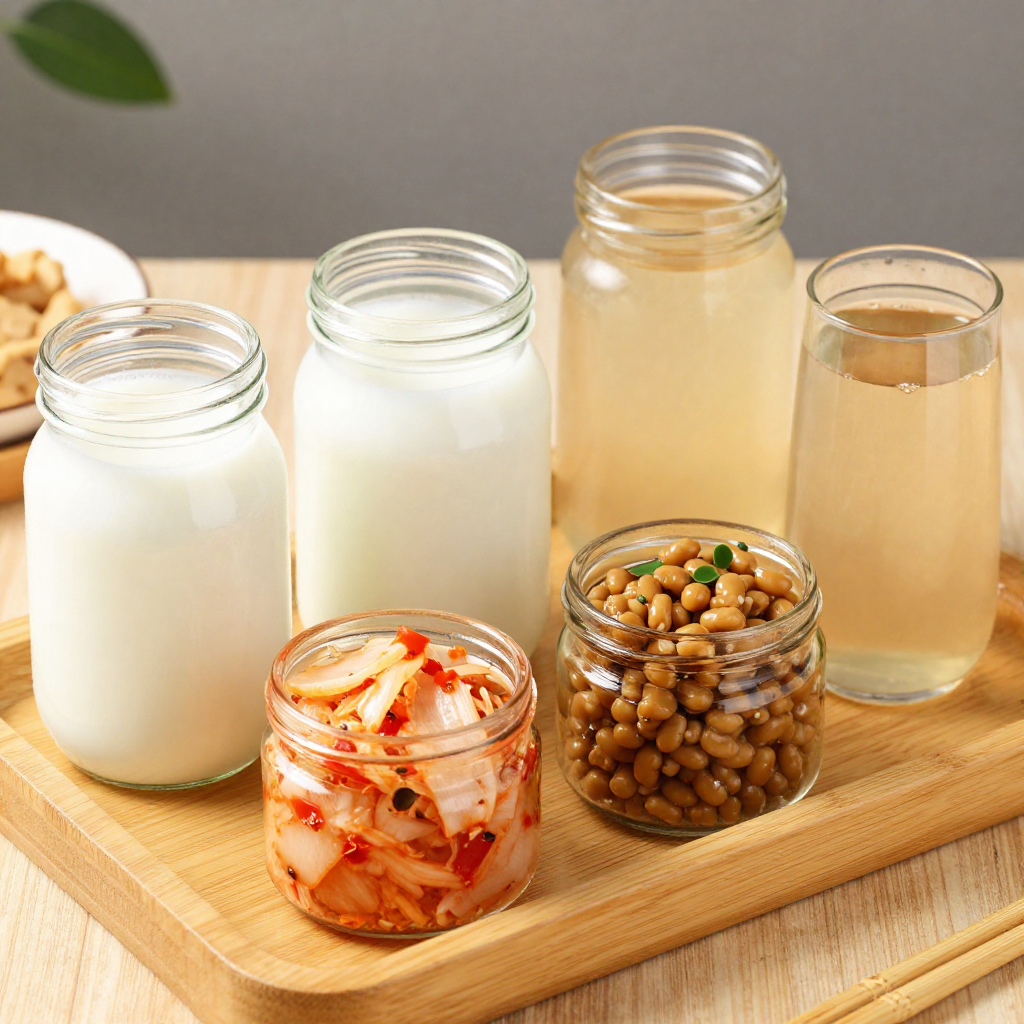
- Kefir: It is often described as 'drinkable yoghurt'; kefir is fermented using 'grains' that consist of a symbiotic culture of bacteria and yeast. It typically contains up to 30 different strains of probiotics, making it far more diverse than a standard bowl of curd. A 2025 randomised controlled trial published in Nutrients examined professional athletes and found that regular kefir consumption significantly increased microbial diversity.
- Kanji: This traditional North Indian fermented drink, made from purple carrots, mustard seeds, and water, is a seasonal probiotic powerhouse. It is particularly culturally relevant as a natural digestive aid during the changing seasons.
- Sauerkraut: Finely cut raw cabbage fermented by various lactic acid bacteria. It is exceptionally rich in lactobacillus strains, which help populate the gut with beneficial flora. The Clinical Nutrition highlighted that raw sauerkraut significantly altered the gut's faecal metabolome. It also documented that patients reported a 35% reduction in IBS severity scores compared to those eating pasteurised versions, proving that the live lactobacillus strains are the active therapeutic agents.
- Kimchi: This Korean staple of fermented vegetables is not just a flavour bomb; studies link it to improved gut microbiota diversity and anti-inflammatory properties. Research from the World Institute of Kimchi confirmed that lactic acid bacteria in kimchi can jump from 100,000 to over 100 million per gram during maturation. Kimchi consumption can lead to a reduction in silent inflammation and better cholesterol management, with certain strains showing potential in mitigating high-fat diet-induced obesity.
- Natto: Japanese fermented soybeans that contain bacillus subtilis. This specific strain has unique benefits for heart health and bone density, alongside gut support. According to Frontiers in Microbiology, researchers isolated the DG101 strain and proved it has a high tolerance to low pH (stomach acid) and bile salts. It doesn't just pass through; it forms 'biofilms' on the intestinal wall, allowing it to competitively exclude pathogens like E. coli.
- Kombucha: A fermented, lightly effervescent tea that provides a mix of probiotics and organic acids that support liver detoxification. Researchers found a significant increase in bifidobacterium and a decrease in ruminococcus torques (a strain linked to inflammatory bowel diseases). The organic acids (acetic and gluconic) were found to aid lipid metabolism and liver function markers.
Read More: Can Eating Yellow Moong Dal In The Afternoon Boost Your Gut Health?
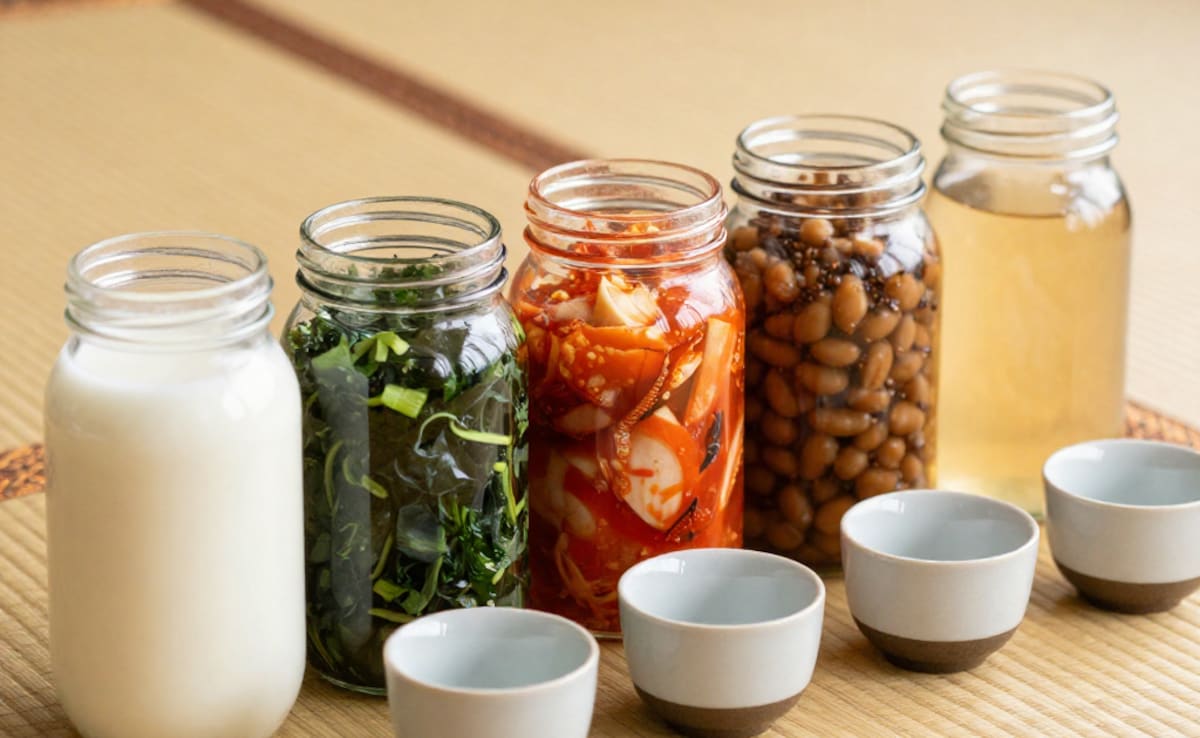
Fermented foods
Photo Credit: A.I generated image.
Why Is Consuming Diverse Probiotic Foods Necessary?
The shift toward these 'super-probiotics' is backed by comparative clinical data. A 2023 report from Oxford Academic highlights that fermented foods like kefir and sauerkraut often show significantly higher probiotic colony-forming units and a wider variety of strains compared to commercially produced curd. Beyond simple digestion, these diverse strains help with:
- Immune System Regulation: It makes gut function better, and that primes the body to fight off pathogens.
- Cholesterol Management: Certain strains in fermented soy (like natto) have shown promise in lowering LDL (bad) cholesterol.
- Anti-Inflammatory Effects: Reducing systemic inflammation, which is a precursor to many chronic lifestyle diseases in India.
Read More: Doctor Shares Top Prebiotic And Probiotic Rich Foods For Better Digestion
How To Include Probiotic Foods In Your Diet
Incorporating these foods doesn't require a complete dietary overhaul. It requires small, consistent additions that can yield significant results when followed consistently. There are some simple ways to include probiotic foods into your diet:
- The 'Chaas' Upgrade: Substitute plain curd with kefir to make your afternoon chaas. The flavour remains similar, but the probiotic count multiplies.
- Salad Toppers: Add a spoonful of sauerkraut or kimchi to your regular cucumber and tomato salad for an instant crunch and gut boost.
- The Kanji Revival: Reintroduce the practice of brewing kanji at home, as it is an affordable, plant-based probiotic that fits perfectly into the Indian palate.
Note: While fermentation is a natural process, hygiene is paramount. Home fermenters should ensure jars are sterilised to prevent the growth of harmful bacteria. Furthermore, those new to probiotics should start with small servings, roughly two tablespoons, to allow the digestive system to adjust.
While dahi remains a healthy staple, it is merely the starting point of a gut-healthy lifestyle. By embracing a variety of fermented foods, from the traditional Indian kanji to the global kefir, one can supply their microbiome. And diversifying your probiotic intake is one of the simplest ways to invest in long-term immunity and vitality.
Disclaimer: This content, including advice, provides generic information only. It is in no way a substitute for a qualified medical opinion. Always consult a specialist or your own doctor for more information. NDTV does not claim responsibility for this information.