

)
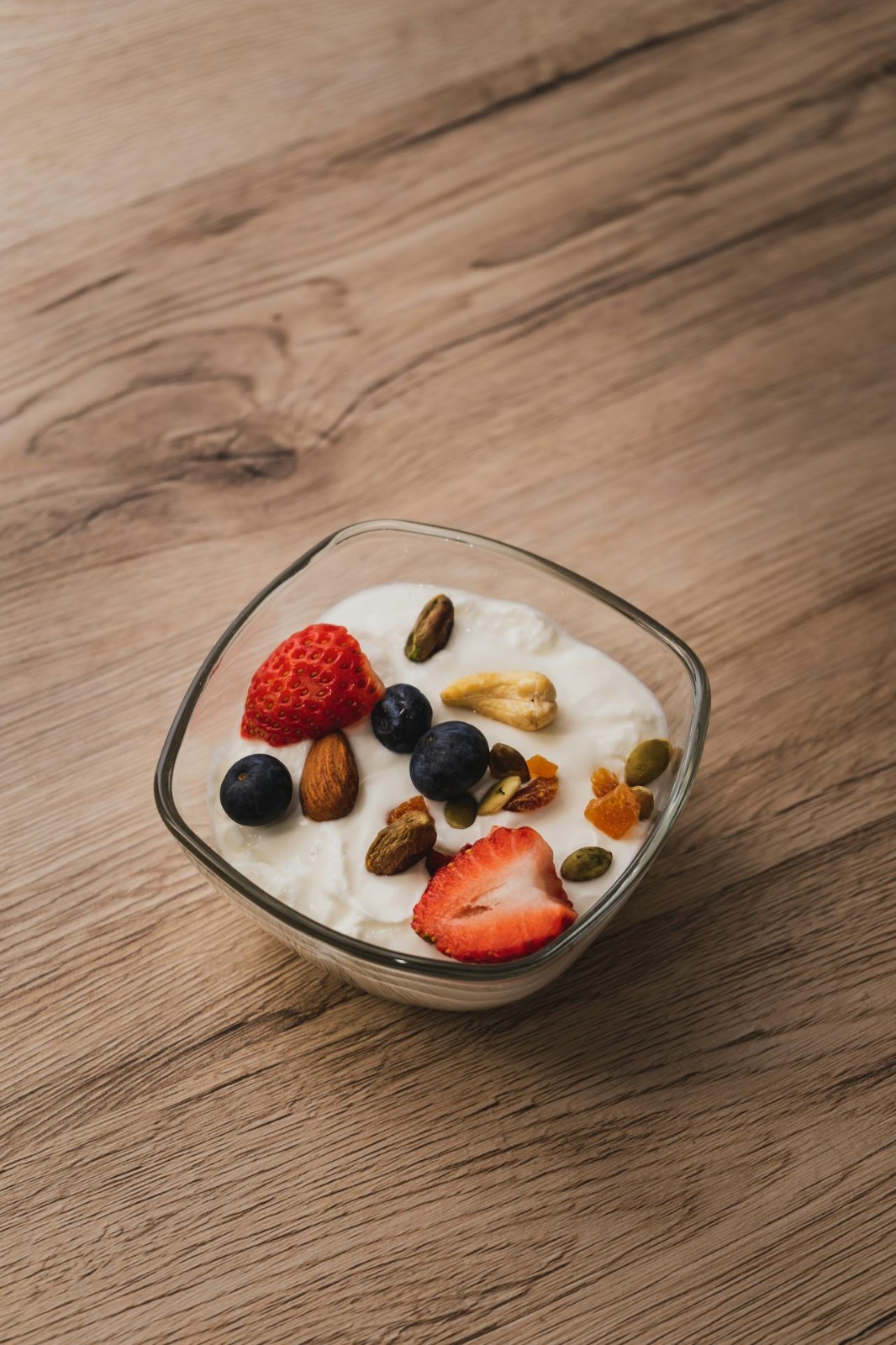
Maintaining a healthy gut is crucial for overall well-being. One simple way to ensure better digestion is to incorporate prebiotic and probiotic-rich foods into your diet. According to Gastroenterologist Saurabh Sethi, a balanced diet combining probiotics, prebiotics and fibre is the key to a healthy gut. In a post shared on Instagram, he lists out the top food sources of prebiotics and probiotics. He writes, "Gut Doctor's Prebiotic & Probiotic Cheat Sheet. Let's break down the different types of prebiotics and probiotics and which common food items naturally contain them."
Best food sources of prebiotics and probiotics for better digestion
1. Gel-forming prebiotic
Gel-forming prebiotics are specific types of soluble fibres that create a viscous gel in the digestive tract, which helps support gut health and regulate digestion. It is most commonly found in chia seeds, guar gum and pectin.
2. Resistant starch
Resistant starch is a type of carbohydrate that resists digestion in the small intestine and instead ferments in the large intestine. Common food sources are plantains, green bananas and cooked then cooled potatoes.
3. Pectin-rich prebiotic
This gel-forming dietary fibre is found in plant cell walls and functions as an excellent prebiotic. Excellent natural sources include citrus peels and apples.
4. Beta-glucan-rich soluble fibre
This fibre is highly regarded for its ability to form gel-like substances in the digestive tract, which slows nutrient absorption and supports metabolic health. Some primary sources are oats, barley and mushrooms.
5. Butyrate supporting prebiotic
These dietary fibres fuel specific "butyrogenic" bacteria in the colon. It is mainly found in chickpeas, chicory root, Jerusalem artichokes and onions.
6. Diverse probiotic strains
Probiotic benefits are highly strain-specific, meaning different strains offer unique advantages. For example, one strain may help with diarrhoea, another with cholesterol management and a third with immune function. It is most commonly found in kefir as well as whole foods, including grains, legumes, fruits and fermented products.
7. Fermented probiotic boost
A fermented probiotic boost involves consuming foods or supplements rich in live, beneficial bacteria and yeasts, such as kefir, kimchi, and unpasteurized sauerkraut. These products introduce diverse microorganisms to your gut microbiome, improving digestion, nutrient absorption and immune function.
8. Digestion supporting probiotics
Probiotics that support digestion typically contain specific strains from the Lactobacillus and Bifidobacterium genera. It helps balance gut flora, improve nutrient absorption and relieve common issues like bloating, gas, constipation, and diarrhoea. Common food sources are sauerkraut, yoghurt, kefir and kimchi.
Disclaimer: This content including advice provides generic information only. It is in no way a substitute for a qualified medical opinion. Always consult a specialist or your own doctor for more information. NDTV does not claim responsibility for this information.