

)
For many adults, intestinal worms feel like a childhood problem, something linked to poor hygiene, unsafe food, or rural living. Eating clean, home-cooked meals is often seen as a shield against such infections. But doctors say this belief is dangerously misleading, especially in tropical countries like India where environmental exposure plays a major role. According to infectious disease specialists, intestinal worm infections do not come from visible worms in food, but from microscopic eggs and larvae that contaminate vegetables, water, soil, surfaces and even hands. These parasites can quietly live in the body for months or years, causing subtle digestive issues, fatigue, anaemia and weakened immunity, often without raising alarm.
"Many adults with low-grade worm infections have no obvious symptoms, but over time, these parasites interfere with digestion, nutrient absorption and immune function," says Dr Aishwarya R, Consultant - Infectious Diseases, Aster Whitefield Hospital.
This is why experts now stress that deworming is not just for children or those eating outside food, but a preventive and therapeutic consideration across age groups and lifestyles.
Why Eating 'Clean' Is Not Enough to Prevent Worms
People often assume that home-cooked food automatically means parasite-free food. But Dr Aishwarya explains that exposure pathways go far beyond meals. "Unclean food does not only mean visibly dirty or unsafe food. Improperly washed vegetables, unfiltered water, soil exposure, pet contact, shared bathroom use and unwashed hands can all lead to worm infections," she says.
In India and other tropical regions, environmental exposure is a key factor. Parasite eggs survive in soil and water and are invisible to the naked eye. When people consume raw or semi-washed produce, especially leafy vegetables, they may unknowingly ingest these eggs.
Contrary to popular belief, uncooked vegetables in salads often carry a higher risk than well-cooked meat, as heat effectively kills parasites. "Worm infestation occurs by consuming microscopic eggs or larvae, not by seeing worms on food," Dr Aishwarya adds.
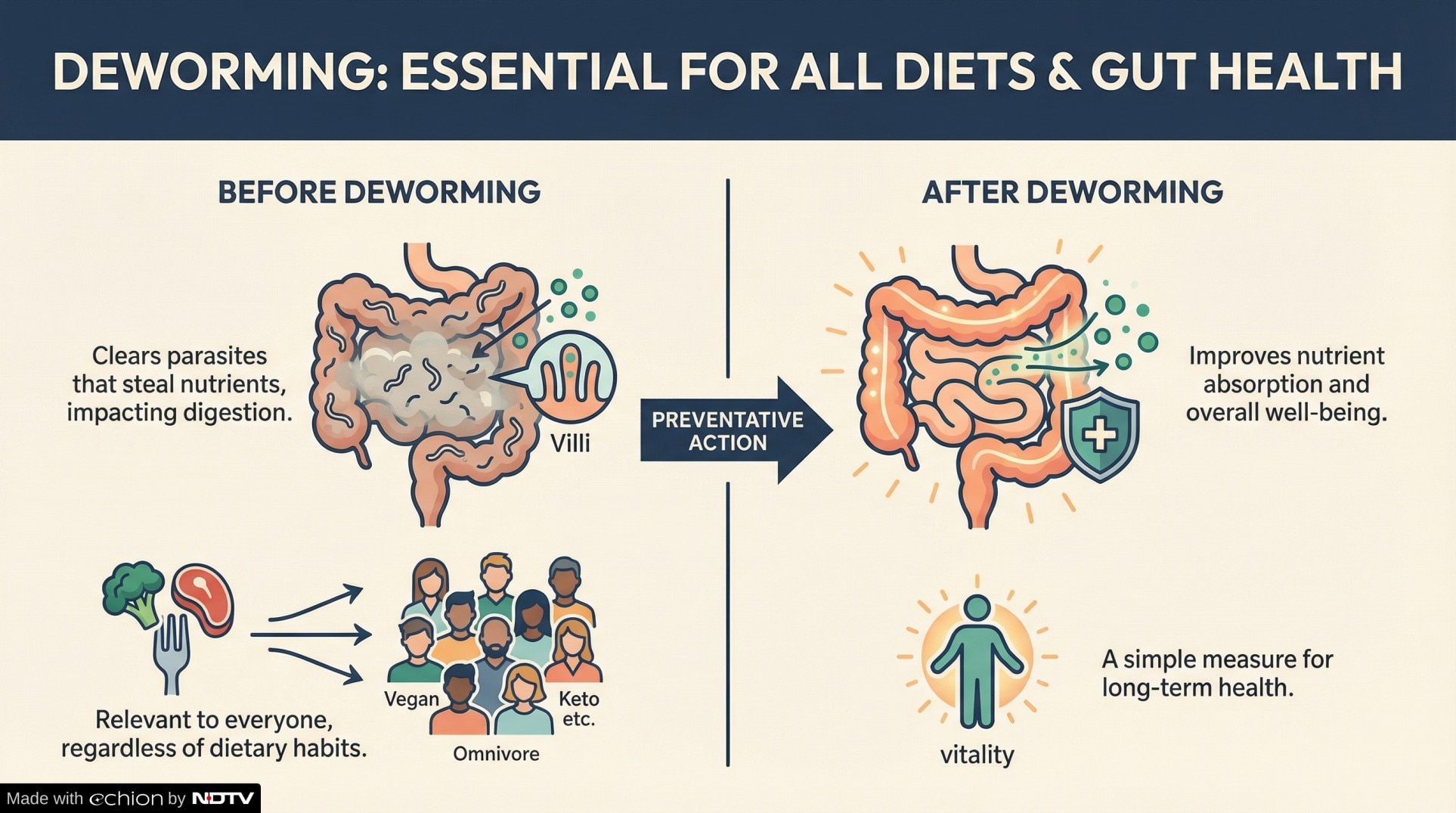
Who Is Most at Risk, And Why Infections Spread in Families
Children remain the most vulnerable group, largely due to their frequent contact with soil and tendency to touch their mouths with unwashed hands. "It is common to see clusters of infections within households, like between siblings, parents, and caregivers of infected children," says Dr Aishwarya. Transmission can occur through shared toilets, contaminated surfaces, or poor hand hygiene.
Urban populations are not immune. Contaminated water, unsafe public restrooms, daycare centres, pet exposure and travel all increase risk. "The idea that worms are a rural problem delays diagnosis and treatment in urban, educated populations," she warns.
Vegetarians are equally at risk. Parasite eggs cling easily to raw vegetables, fruits and leafy greens if not washed thoroughly with clean water.
Common Symptoms People Ignore or Misread
One of the biggest challenges with intestinal worms is that infections can remain asymptomatic for long periods. "When symptoms do appear, they are mild and often mistaken for everyday digestive problems," says Dr Aishwarya.
Common warning signs include:
- Persistent bloating or abdominal discomfort
- Unexplained fatigue
- Decreased appetite
- Anaemia
- Irregular bowel movements
- Anal itching
Some people may also experience hair loss, skin problems, or difficulty gaining weight despite eating adequately. Because these symptoms overlap with stress-related gut issues or poor diet, worm infections often go undiagnosed for years.
How Worms Affect Gut Health, Immunity and Nutrition Long-Term
- Untreated worm infestations can quietly damage the body over time. "Worms compete with the host for nutrients," Dr Aishwarya explains, leading to deficiencies of iron, vitamin B12, protein and other micronutrients.
- Chronic infections can damage the gut lining, disturb the gut microbiome and cause low-grade inflammation. This weakens immune responses, increases vulnerability to infections and contributes to persistent fatigue and slower recovery from illness.
- Global health agencies such as the World Health Organization (WHO) recognise intestinal worms as a major contributor to anemia, malnutrition and impaired immunity, particularly in endemic regions.
How Often Should Deworming Be Done?
Public health recommendations vary by risk level.
- "Children between one and fourteen years living in high-risk areas are advised deworming twice a year," says Dr Aishwarya. Worm infestation is a well-known cause of nutritional anaemia, and testing may miss infections because egg shedding can be irregular.
- For adults, routine self-medication is not advised. Those with frequent soil or pet exposure, shared sanitation facilities, or recurring gut symptoms should seek medical evaluation rather than repeatedly taking deworming drugs without guidance.
Is Deworming Safe? And Who Should Be Cautious?
Deworming medicines are generally safe when taken in the correct dose and duration, but not everyone should take them without medical advice. "Pregnant women, breastfeeding mothers, people with liver disease, severe anaemia, neurological conditions, or those on long-term medications should consult a doctor first," Dr Aishwarya cautions.
Self-medication becomes risky when people treat symptoms caused by undiagnosed gut disorders rather than confirmed worm infections.
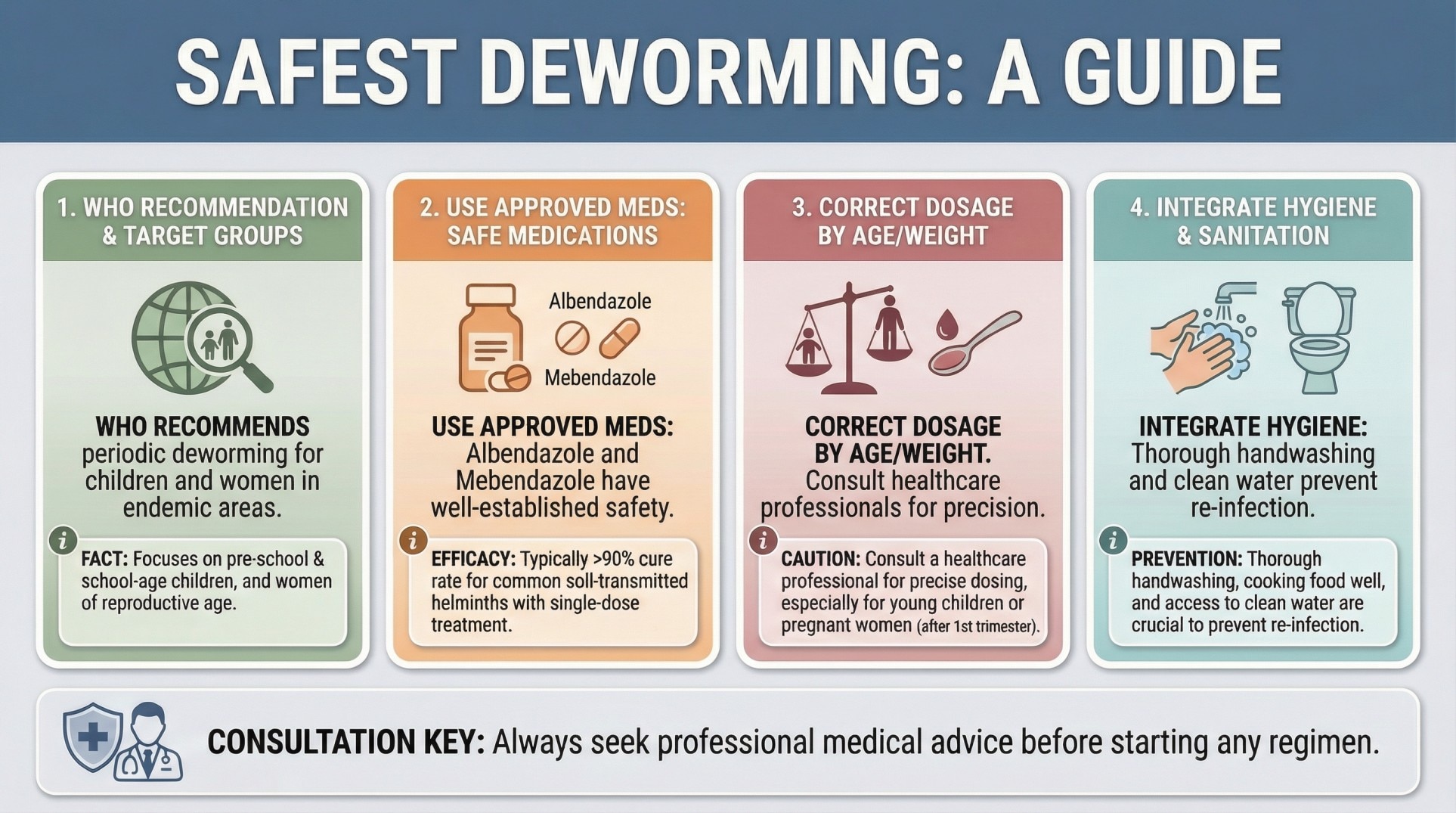
Medication or Hygiene, What's the Safest Approach?
Experts agree that both treatment and prevention are essential. "Deworming drugs eliminate existing parasites, but without proper hygiene, reinfection is common," says Dr Aishwarya. Safe drinking water, thorough washing of produce, hand hygiene, footwear use and sanitation are critical for long-term protection.
Intestinal worms are not a problem of poor diets or rural living alone. In India's environmental conditions, anyone can be at risk, regardless of age or eating habits. Deworming, when done safely and appropriately, plays an important role in protecting gut health, immunity and nutrition, but it must go hand-in-hand with hygiene and medical guidance. As Dr Aishwarya emphasises, "Prevention and treatment work best together. Relying on food choices alone is not enough."
Disclaimer: This content, including advice, provides generic information only. It is in no way a substitute for a qualified medical opinion. Always consult a specialist or your own doctor for more information. NDTV does not claim responsibility for this information.