

)
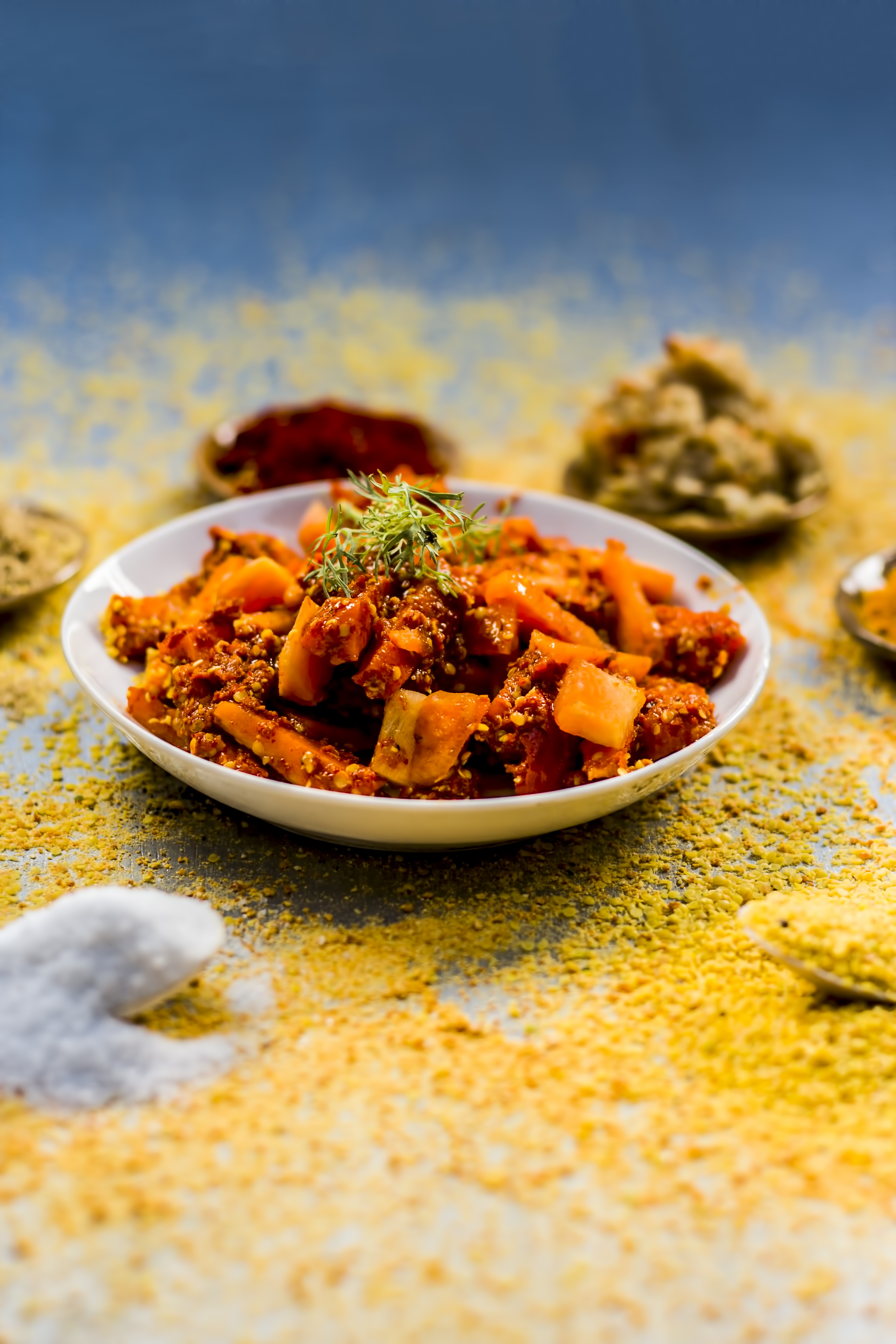
Winter has finally set in and with that, people have been relishing their favourite food. From indulgent cakes to piping hot parathas, the list can be pretty long. Eating all these delicacies can also lead to gas and bloating, which can make you feel uncomfortable. Hence, you might have to keep an eye on what you're eating. Parathas with spicy achaar during winter is something that is loved by all.
But it can sometimes cause gas and bloating, due to spices, oils, and slower digestion during the cold weather. This also depends on your portion size and individual tolerance. Speaking to NDTV, Dr Abhishek Deepak, Additional Director - Gastroenterology at Fortis Hospital Greater Noida said, "Eating spicy achaar can stimulate digestion and enhance the flavour of meals, but it may also increase acidity and cause temporary heat or discomfort, especially in people with a sensitive stomach. Packaged achaar can sometimes lead to gas or bloating because it often contains high amounts of oil, chilli, salt and sometimes preservatives, all of which can slow digestion or irritate the gut. People with acidity, IBS or digestive sensitivity may feel this more strongly."
What causes gas and bloating?
Spicy achaar, especially packaged ones, have chilli, garlic, and oils. These tend to irritate the gut lining in some people, leading to excess gas as the body produces more air during digestion. Parathas, made from wheat flour and fried in ghee or oil, add fermentable carbs that the gut bacteria breaks down into gas. In winter, colder temperatures slow metabolism and digestion, trapping food longer in the stomach and worsening bloating.
The spices in achaar trigger acid production, which relaxes the lower oesophageal sphincter, letting air escape as burps or build up as bloating. Fermented achaar introduces probiotics but also fizz from the process, adding to gas if your gut isn't used to it. Combining heavy parathas with tangy achaar overloads the system.
Also, the cold weather reduces blood flow to the gut, slowing motility and causing food to ferment more. This increases bloating from spicy and oily combos like achaar-paratha. People eat richer foods in winter for warmth, but this affects digestion.
Are homemade achaars better than packaged ones?
Dr Deepak said, "Home-made achaars are generally considered better because they are fresher, cleaner and usually free from artificial preservatives, colours and stabilisers. They also allow better control over the amount of oil, salt and spices used. Many traditional home-made pickles undergo natural fermentation, which can add beneficial probiotics and make them easier on the stomach, provided they're prepared hygienically. In contrast, packaged achaars are made for long shelf life, so they typically contain more oil, more salt and sometimes refined or cheaper oils to preserve flavour and texture."
What should you look for when buying achaar?
When buying packaged achaar, it's important to check the ingredient list and choose products with simple, recognisable ingredients, says Dr Deepak. Prefer brands that use mustard oil or cold-pressed oils instead of refined vegetable or palm oils. Make sure the salt content is not extremely high and look for minimal preservatives. Pickles with very long shelf life often rely heavily on additives. Also check the manufacturing and expiry dates, as fresher products are usually better. Finally, choose reputable brands and avoid packs that appear swollen or leaking, which may indicate spoilage or poor storage.
Tips to prevent gas and bloating
- Eat small portions: Start with one paratha and a teaspoon of achaar to test tolerance.
- Choose milder achaar: Opt for turmeric or radish versions over fiery chilli ones during winter.
- Pair with curd: Yoghurt's probiotics help to soothe spice-induced irritation and help in digestion.
- Stay hydrated: Sip warm water or ginger tea post-meal to boost gut movement.
- Walk after eating: A 10-minute walk helps release trapped gas, which is important during winters.
- Use whole wheat parathas: Fibre regulates digestion without excess fermentation.
- Avoid late nights: Eat by evening to let digestion finish before you sleep.
Disclaimer: This content including advice provides generic information only. It is in no way a substitute for a qualified medical opinion. Always consult a specialist or your own doctor for more information. NDTV does not claim responsibility for this information.