

)
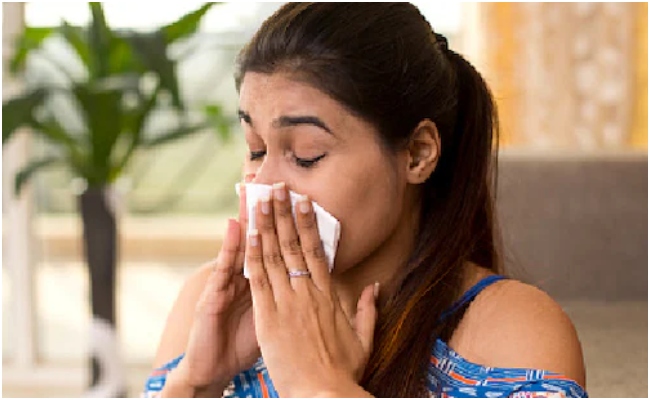
Getting a cold is more common in winter, and there's solid science behind it. While cold weather itself doesn't cause infections, it creates the perfect environment for viruses to thrive and weakens certain natural defences in our body. Add to this the Indian winter lifestyle of staying indoors, poor sun exposure, heavy festive food and low physical activity, and our immunity takes a slight dip. The good news is that simple habits can genuinely strengthen your immune system not by “boosting” it unrealistically, but by helping it function at its optimal level. Read on as we discuss simple tips you can follow to boost your immunity against cold this winter.
Tips that will actually boost immunity against cold this winter
1. Prioritise sleep
Sleep isn't just rest; it's when your immune system resets. Research shows that people who get less than 6 hours of sleep are more prone to catching colds. Aim for 7–9 hours, and try to sleep and wake at the same time, even in winter when cozy blankets tempt you to binge-watch late at night.
2. Get enough vitamin D
Low Vitamin D is linked to higher respiratory infections. Winter sun may be weaker, but 15–20 minutes of morning light, especially between 10 am–12 pm, helps. If levels are low, your doctor may advise supplements. Foods like mushrooms, fortified milk, and egg yolks add a little extra support.
3. Eat whole, real foods
Your immunity depends heavily on micronutrients found in fresh produce. Vitamin C (from amla, guava, oranges), zinc (from chana, rajma, nuts), and antioxidants ( from spinach, carrots, beets) all keep immune cells healthy and active. Indian winter sabzis like methi, bathua, sarson are nutrient powerhouses.
4. Add immunity-supporting spices
Indian kitchens are full of antiviral, anti-inflammatory spices:
- Haldi (curcumin) reduces inflammation.
- Tulsi may help with respiratory support.
- Ginger supports throat and gut health.
- Black pepper improves nutrient absorption.
These spices are backed by multiple studies for immune modulation, use them in kadhas, chai, or daily cooking, but avoid overdoing it.
5. Stay hydrated
We often drink less water in winter because we don't feel thirsty, but dehydration dries out the mucous membranes in the nose and throat, your first line of defence against viruses. Warm water, soups, daal, lemon water, coconut water, and herbal teas all count.
6. Move your body daily
Regular moderate exercise enhances immune cell circulation. Even 20–30 minutes of brisk walking, yoga, or stretching helps your body fight infections better. Winter laziness is real, but staying active is one of the most reliable immunity habits.
7. Manage stress
Stress hormones like cortisol reduce your body's ability to fight infections. Simple practices such as 10 minutes of deep breathing, meditation, evening walks, or journaling can lower stress levels significantly.
8. Improve indoor air quality
Poor indoor ventilation increases viral spread. Open windows for 10–15 minutes daily when possible. Use exhaust fans, air purifiers, or even indoor plants like snake plants to improve air quality. Better airflow reduces the concentration of infectious droplets.
9. Wash hands and avoid touching your face
One of the most powerful, proven tools for infection control. Viruses spread easily through touch, especially in winters when more people fall sick. Soap and water for 20 seconds or alcohol-based sanitisers help cut transmission dramatically.
10. Support your gut health
About 70% of your immune system lives in your gut. Include curd, chaas, fermented foods, fibre-rich fruits, oats, vegetables, and whole grains. A healthy gut microbiome makes your immune response more robust and efficient.
You can't completely avoid winter colds, but you can reduce the likelihood* and severity by supporting your immune system daily. The key is consistency not quick fixes. Sleep well, eat a nutrient-rich diet, stay active, and maintain good hygiene. Small, everyday habits lead to strong seasonal immunity.
Disclaimer: This content including advice provides generic information only. It is in no way a substitute for a qualified medical opinion. Always consult a specialist or your doctor for more information. NDTV does not claim responsibility for this information.
References
Temperature-Dependent Innate Immune Response of Nasal Cells to Rhinovirus Infection, National Institutes of Health (NIH), 2015.
Vitamin D and Respiratory Tract Infections, National Center for Biotechnology Information (NCBI), 2017.
Effects of Hydration on Physical and Cognitive Performance, World Health Organization (WHO), 2014.
Physical Activity and Immune Function, Centers for Disease Control and Prevention (CDC), 2022.
Impact of Sleep Duration on Infection Susceptibility, National Institutes of Health (NIH), 2019.
Role of Gut Microbiota in Immunity, National Center for Biotechnology Information (NCBI), 2020.
Hand Hygiene Guidelines, World Health Organization (WHO), 2009.
Indoor Air Quality and Infection Transmission, World Health Organization (WHO), 2021.
Stress and Immune Function, National Institutes of Health (NIH), 2012.