

)
When the nights get longer and the air turns crisp, cough-and-sneeze season knocks at our door. You probably already know the usual advice like washing hands, getting your flu jab but there's one simple, often underrated defence that works every night: sleep. Science now shows sleep isn't just rest; it's a nightly tune-up for the immune system. Get it right, and you'll be less hospitable to viruses that thrive in winter. Get it wrong, and your body's defences run on half-charge.
Sleep and the body's immune system talk to each other constantly. During good-quality sleep, especially the deep, slow-wave part, the body releases hormones and signalling molecules that help immune cells move, remember infections, and build long-lasting protection. That's why people who skimp on sleep are more likely to catch colds, pneumonia or other respiratory infections and why sleep around the time you get vaccinated can affect the strength of your antibody response.
You don't need miracle cures, small routine changes improve sleep quality and therefore immune resilience.
These bedtime routine tips can portect you from seasonal diseases
1. Anchor your sleep schedule
Consistent timing strengthens your circadian rhythm and improves immune signalling during sleep. Aim for 7–9 hours nightly.
2. Wind down 60–90 minutes before bed
Dim lights, gentle reading or a warm shower lowers alertness and helps you get more slow-wave sleep, the “immune-boosting” sleep stage. Avoid stimulating screens.
3. Time your meals
Finish large meals at least 2–3 hours before bed. If you need a snack, pick a light one with tryptophan which is a sleep-friendly amino acid like a small cup of warm milk with a pinch of turmeric or a banana with a few roasted almonds works. Foods won't replace sleep, but they ease falling asleep for some people.
4. Consider getting daylight and vitamin D
Daily daytime sunlight helps set your internal clock and supports immune health. Many trials show vitamin D supplementation reduces risk of acute respiratory infections, particularly in people who are deficient, so get sunlight, and discuss supplements with your doc if you're at risk.
5. Reduce alcohol and heavy late-night caffeine
Alcohol fragments sleep and reduces deep sleep; late caffeine delays falling asleep. Both blunt the immune benefits of rest.
6. Keep the bedroom cool, dark and quiet
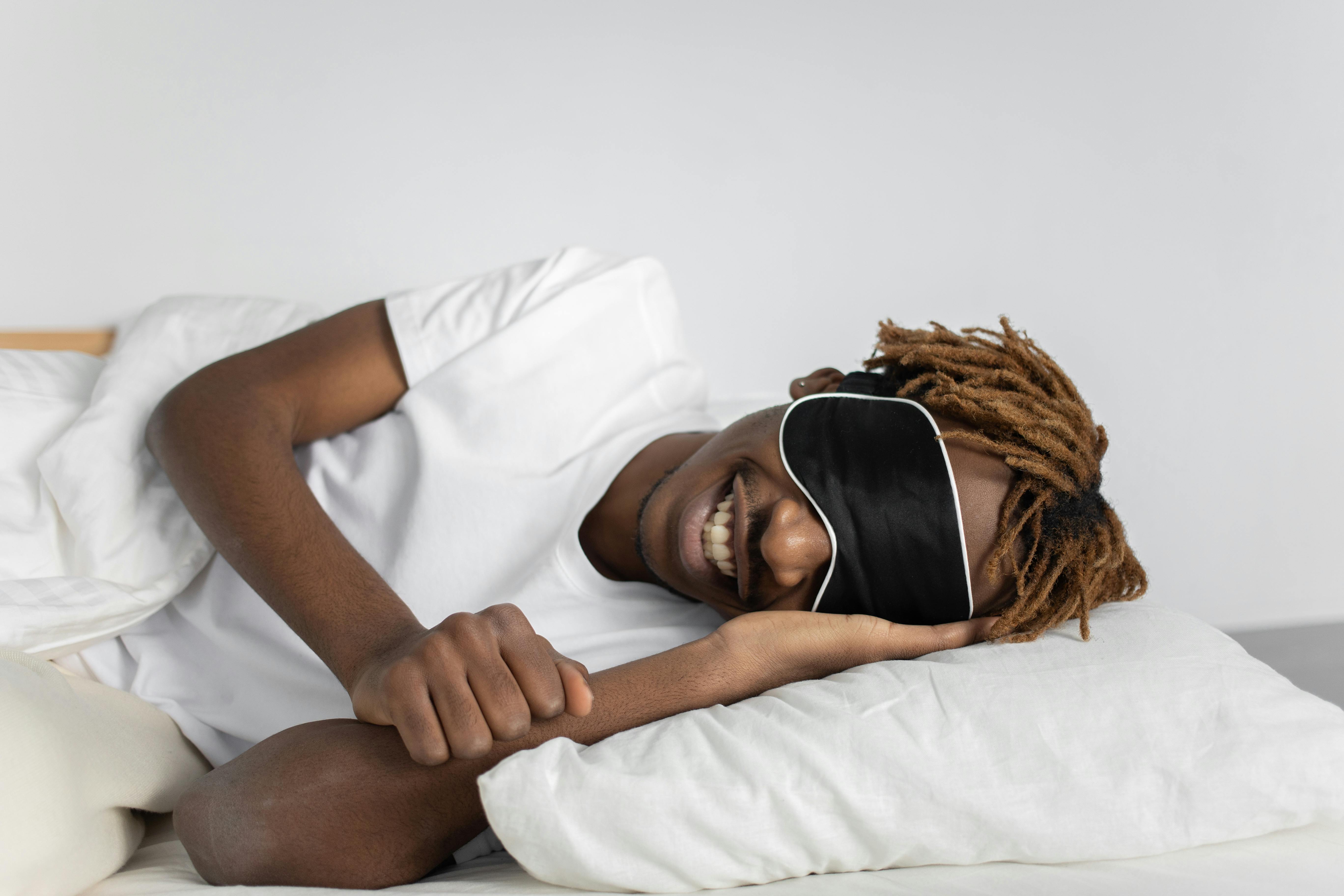
A cooler room and good darkness can help you reach deeper sleep. Use blackout curtains or an eye-mask if needed. Noise reduction through earplugs or white noise also improves sleep continuity.
7. If you nap, keep it short
A 20–30 minute early-afternoon nap can restore alertness without wrecking night sleep. Long late naps can shift your schedule and reduce night-time immune benefits.
8. Plan sleep around vaccines
If you're due for a flu or other vaccine, prioritise good sleep in the days before and after as studies show sleep improves vaccine responses.
Here's a step-by-step for a healthy bed time routine you can try:
- Dim lights; switch phone to Do Not Disturb.
- Gentle wind-down via light reading, tea (non-caffeinated), slow breathing or 10 minutes of stretching or yoga.
- Warm shower or bath as it helps the body cool afterwards, easing sleep. Small snack if hungry like warm milk or banana.
- Bedtime ritual like write a quick 2-line to-do for tomorrow (clears the mind), brush teeth, lights out.
- Aim for sleep by 10:00-11:00pm and a wake time that gives 7–9 hours.
If you want the best defence against seasonal coughs and colds, treat sleep as a health intervention not a luxury. Regular, good-quality sleep improves immune memory, lowers infection risk and even helps vaccines work better. Add daylight exposure, modest vitamin D attention if you're low, a screen-free wind-down and the routine above — and you'll sleep smarter through winter. It's low-cost, low-tech, and high-impact. Have sweet (and healthy) dreams!
Disclaimer: This content including advice provides generic information only. It is in no way a substitute for a qualified medical opinion. Always consult a specialist or your doctor for more information. NDTV does not claim responsibility for this information.
References
Sleep and immune function — NCBI — 2011.
Sleep and Infectious Disease Risk — NCBI — 2012.
Sleep after vaccination boosts immunological memory — NIH — 2011.
The Sleep–Immune Crosstalk in Health and Disease (review) — NCBI — 2019.
Melatonin: anti-inflammatory and immune effects (systematic review) — NCBI — 2021.
Vitamin D supplementation to prevent acute respiratory infections (meta-analysis) — BMJ/Clinical Trials aggregate — 2017.