

)
As temperatures rise and lifestyle diseases continue to increase, many people are paying closer attention to foods that support metabolism and overall health. Conditions such as diabetes, metabolic disorders and frequent energy crashes have become increasingly common, prompting people to look for simple, natural ways to support blood sugar balance and improve digestion.
Amid this growing interest in functional foods, Integrative Lifestyle expert Luke Coutinho has highlighted a tiny ingredient that has long been a part of traditional Indian diets. In a recent Instagram post, Coutinho says that sabja seeds, also known as sweet basil seeds, can help cool your body, slow your sugar spike and feed your gut.
He calls sabja seeds part of a traditional Indian practice that our grandparents used to follow during scorching summers. "Indians have been using this tiny seed for centuries to survive brutal summers and science finally explains why it's also a powerful metabolic superfood," Coutinho says.
The wellness guru adds that long before electrolyte powders, imported superfoods, and expensive supplements became popular, people in India relied on simple natural ingredients. "Our grandparents were soaking these tiny seeds in water to cool the body, support digestion, and sustain energy in the summer heat," he adds.
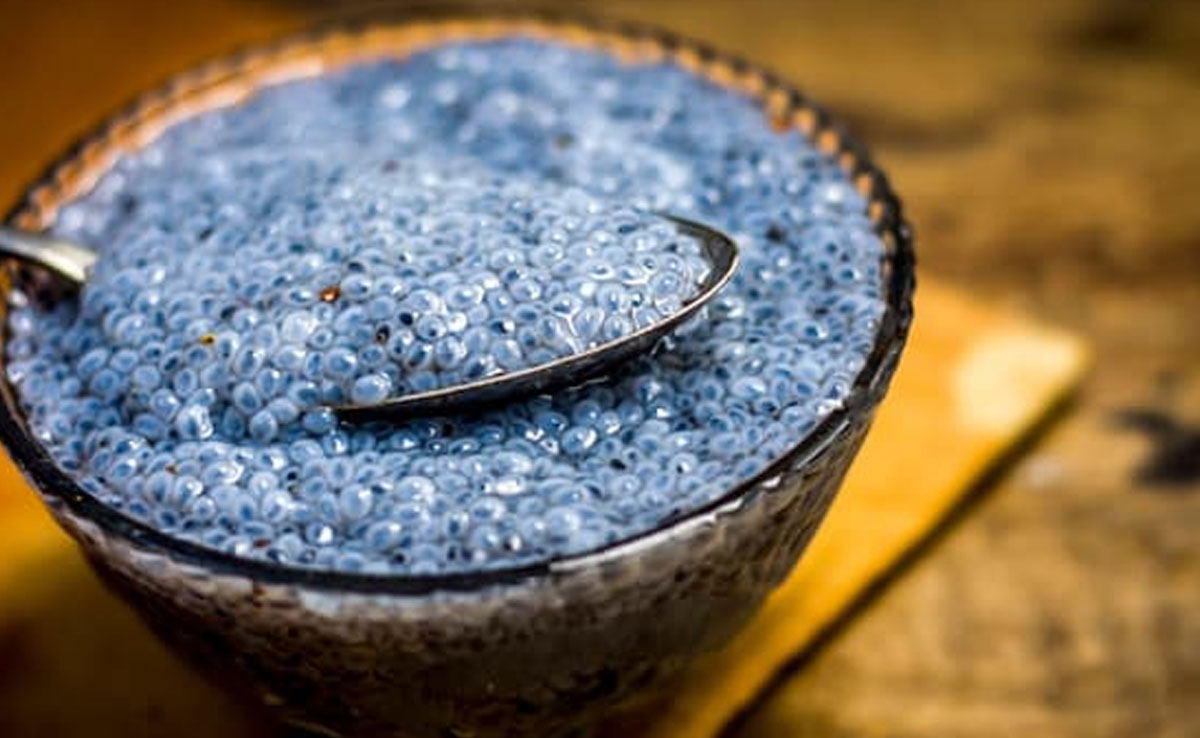
Explaining how they work, Coutinho says that when sabja seeds are soaked in water, they swell and develop a gel-like coating known as mucilage. This layer is rich in fibre and helps slow digestion, improve hydration, reduce glucose spikes and increase satiety. "The mucilage acts similarly to fibre sources like chia seeds," he writes.
Because of their cooling and hydrating properties, sabja seeds have traditionally been added to Indian summer drinks. Coutinho also says this gel slows carbohydrate absorption, which may help reduce post-meal glucose spikes. Research shows that soluble fibre can improve glycemic response and insulin sensitivity.
Another benefit is that it improves gut health. "Soluble fibre acts as a prebiotic, feeding beneficial gut bacteria which can lead to improved metabolic health and lower inflammation."
He adds that sabja seeds can also enhance hydration and promote satiety. The gel expands in the stomach, which may help reduce appetite and support weight management.
The seeds also support digestion and are traditionally used to help with acidity, constipation and gut irritation because they can help regulate bowel movements.
Luke Coutinho notes that one tablespoon of sabja seeds contains 6 to 7 grams of fibre, 2 to 3 grams of protein, as well as omega-3 fatty acids, calcium, magnesium, iron and polyphenols.
He recommends taking one teaspoon to one tablespoon of sabja seeds, adding about one cup of water (200–250 ml), and soaking them for 15–20 minutes before consuming. The soaked seeds can be added to water, coconut water, buttermilk, or smoothies.
Disclaimer: This content including advice provides generic information only. It is in no way a substitute for a qualified medical opinion. Always consult a specialist or your own doctor for more information. NDTV does not claim responsibility for this information.