

)
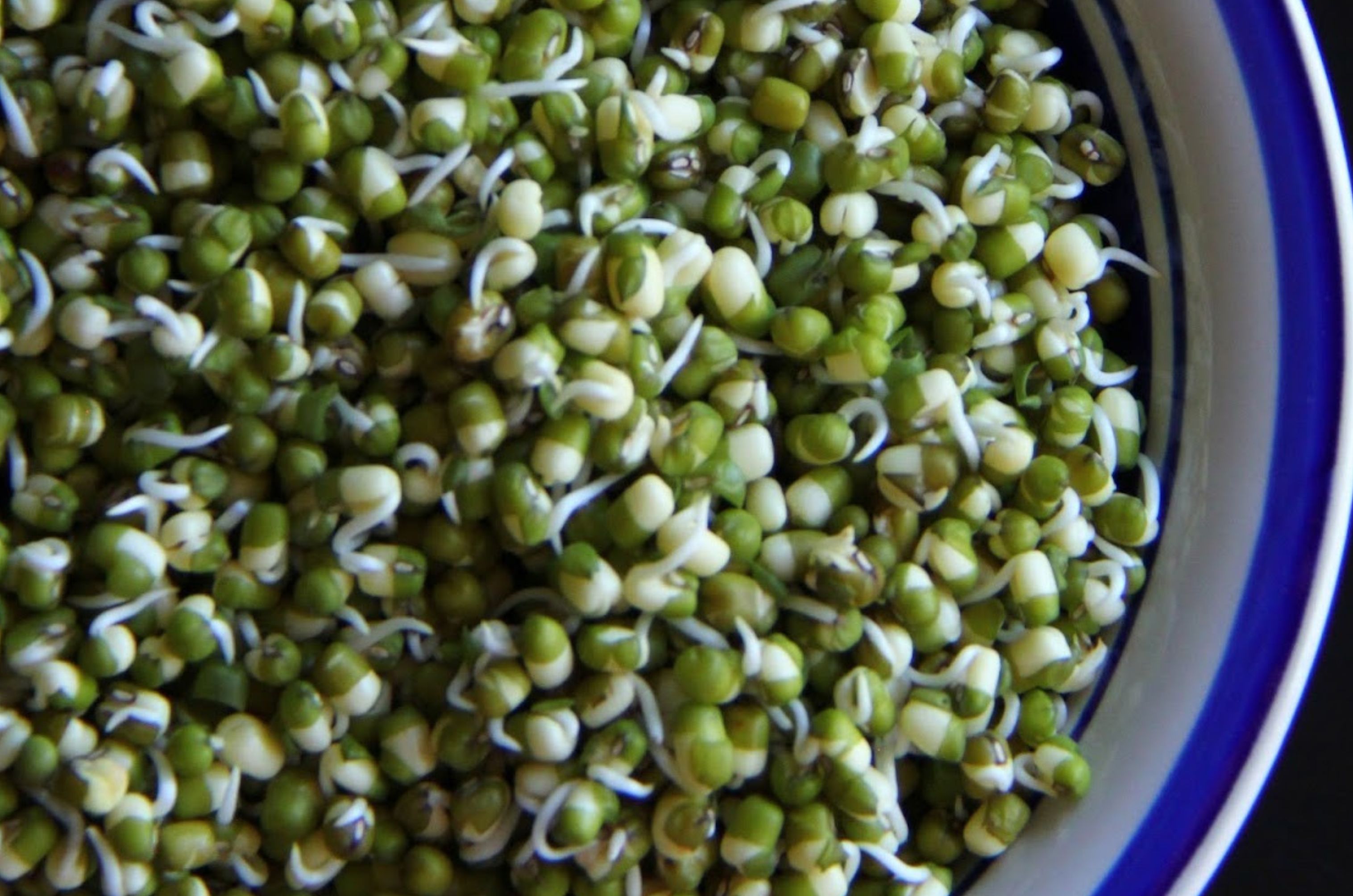
In the landscape of Indian nutrition, the humble moong dal (green gram) has long been a staple of the sick-day diet. However, recent clinical perspectives and research from the Indian Council of Medical Research (ICMR) suggest that when allowed to sprout, this legume can become a tool for nutrient supplementation. For a nation grappling with the dual burden of widespread iron-deficiency anaemia and an increasing cardiovascular disease (CVD) crisis, moong dal sprouts offer a scientifically backed, accessible solution. Anaemia remains a significant public health challenge in India, with the National Family Health Survey (NFHS-5) indicating that over 52% of women of reproductive age and a large percentage of children are anaemic. While the total iron content in raw pulses is notable, the presence of anti-nutrients like phytates often stops absorption.
Sprouting acts as a natural pre-digestion process. During germination, the enzyme phytase is activated, which breaks down phytic acid, the primary stopper of iron absorption. Studies conducted by various Indian agricultural and nutritional institutes highlight that sprouting can increase the bioavailability of iron in moong dal by nearly 30% to 50%. Furthermore, the vitamin C content triples during the sprouting process. Since vitamin C is a mandatory cofactor for the absorption of non-heme iron (plant-based iron), moong dal sprouts serve as a self-contained delivery system for blood health.
Protecting The Indian Heart: The Lipid Connection
Cardiovascular disease manifests differently in the Indian phenotype, often occurring a decade earlier than in Western populations and characterised by atherogenic dyslipidaemia, which is a technical term for high triglycerides and low HDL (good cholesterol). Moong dal sprouts address this through a unique combination of soluble fibre and bioactive peptides. Here are the specific ways that moong dal sprouts consumption helps with anaemia and heart disease:
- The fibre in sprouts binds to bile acids in the intestinal tract, encouraging the liver to pull more LDL (bad cholesterol) from the bloodstream to produce more bile.
- Additionally, moong dal contains significant levels of isoflavones and vitexin.
- Research published in Indian medical journal like the Journal of Postgraduate Medicine, Education and Research suggests these antioxidants prevent the oxidation of LDL cholesterol.
- This is a critical step because oxidised LDL is what ultimately leads to plaque formation in the coronary arteries.
- By preventing this rusting of the arteries, sprouts act as a preventative shield against atherosclerosis.
Potassium And Blood Pressure Regulation
Hypertension is a leading precursor to heart failure in India. Moong dal sprouts are an excellent source of potassium and magnesium. Potassium acts as a vasodilator, easing the tension in blood vessel walls, which helps lower blood pressure. When it comes to the high-sodium Indian diet, increasing potassium intake through sprouts helps the kidneys excrete excess salt, maintaining the delicate fluid balance required for a healthy heart.
Managing Homocysteine: The Vitamin B Factor
Sprouted moong is rich in folate (vitamin B9) as mentioned in the Indian Journal of Agricultural Research. High levels of an amino acid called homocysteine in the blood are a known independent risk factor for strokes and heart attacks, particularly prevalent in the Indian population due to genetic predispositions and B-vitamin deficiencies. Folate is essential for the breakdown of homocysteine. By providing a steady supply of natural folate, moong dal sprouts help keep these levels in check, further solidifying the iron-heart connection.
Also Read: Digestion Boost To Kidney Aid, 5 Health Benefits Of Horse Gram Or Kulthi Dal
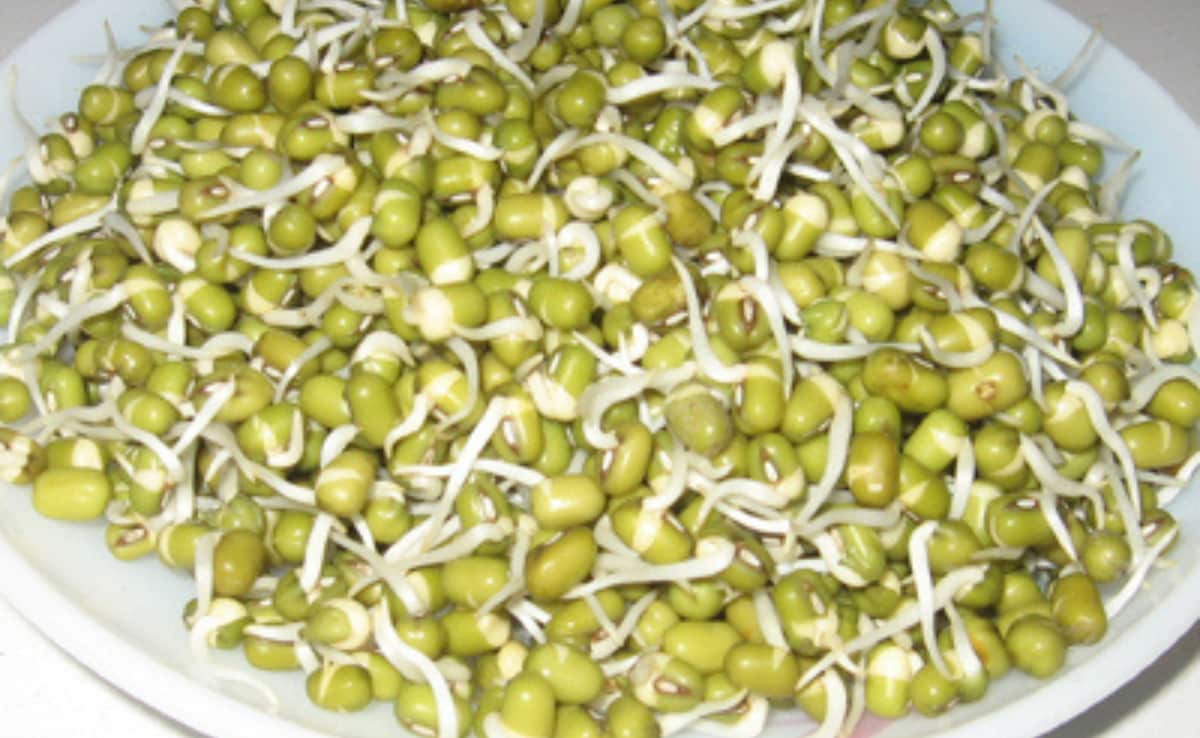
Moong dal sprouts
Photo Credit: Google/ creative common license
Integrating Sprouts Into The Diet
The transition from raw pulse to sprout does more than just enhance vitamins; it reduces complex sugars that cause flatulence, making it easier on the Indian digestive system. For maximum efficacy, it is recommended to consume sprouts lightly steamed rather than raw to eliminate potential bacterial contamination while preserving the heat-sensitive vitamin C and enzymes.
While moong dal sprouts are a nutritional powerhouse, consuming them improperly or in excess can lead to specific side effects.
Side Effects Of Moong Dal Sprouts
Here are the primary side effects and risks to keep in mind:
- Bacterial contamination (food poisoning) is the most significant risk. The warm, humid conditions required for sprouting are also the perfect breeding ground for bacteria like salmonella, E. coli, and listeria. Consuming raw sprouts can lead to severe stomach cramps, diarrhoea, and vomiting.
- Digestive distress is possible, as even though sprouting reduces some complex sugars, eating them in large quantities can still cause bloating, flatulence, and abdominal gas due to the high fibre content if your body isn't used to it.
- Nutrient interference (anti-nutrients) is a possibility, as while sprouting reduces phytates, it does not eliminate them entirely. Overconsumption may still interfere with the absorption of minerals like calcium and zinc in sensitive individuals.
- Risk to vulnerable groups is possible because of the risk of foodborne illness; the FSSAI and other health bodies often advise that pregnant women, children, the elderly, and those with weakened immune systems avoid eating sprouts raw.
- Kidney stress is a possibility, as moong dal is relatively high in protein. For individuals with existing chronic kidney disease (CKD), excessive consumption can put an unnecessary load on the kidneys to filter out nitrogenous waste.
- Hyperacidity can occur for some, especially when eaten on an empty stomach in the morning, raw sprouts can trigger acid reflux or a burning sensation in the chest.
Tip: To eliminate 99% of these risks, simply lightly steam or sauté your sprouts for 2–3 minutes. This kills harmful bacteria and softens the fibre without destroying the vitamin C.
Also Read: From Moong To Masoor: Nutritionist Tells Why You Must Consume Different Types Of Dal
So, moong dal sprouts have significant benefits when it comes to supplying the body with enough iron and fighting heart disease, but follow the right approach to eat them to reap the health benefits safely.
Disclaimer: This content, including advice, provides generic information only. It is in no way a substitute for a qualified medical opinion. Always consult a specialist or your own doctor for more information. NDTV does not claim responsibility for this information.