

)
Frequent blood sugar spikes and fluctuations can have significant impacts on health, particularly for individuals with diabetes. When blood sugar levels rise rapidly (spike), it can lead to short-term effects, such as fatigue, increased thirst, headaches, difficulty concentrating, and frequent urination. Prolonged high and variable glucose levels increase the risk of serious complications, including heart disease, nerve damage, kidney disease, and vision loss. Conversely, low blood sugar (hypoglycemia) can lead to symptoms like dizziness, confusion, irritability, and even loss of consciousness in severe cases. Therefore, maintaining stable blood sugar levels is crucial to preventing the onset of these potential complications.
Cold weather and its impact on blood sugar levels
Cold weather presents unique challenges for diabetes management, tending to raise blood sugar levels through several mechanisms:
1. Insulin sensitivity
In cold weather, the body may become more insulin-resistant. This means that the body's cells do not respond as effectively to insulin, leading to higher blood sugar levels.
2. Low levels of physical activity
Colder temperatures can often lead to a decrease in physical activity, as people tend to stay indoors. Since exercise helps lower blood sugar levels, reduced activity can result in spikes.
3. Dietary changes
During winter, people may gravitate towards comfort foods that are often higher in carbohydrates and sugars, which can lead to increased blood sugar levels.
4. Increased stress levels
The holiday season can bring about stress, which can affect hormones like cortisol that impact blood sugar levels. Elevated stress can lead to increased blood sugar levels over time.
5. Hormone response
The body releases stress hormones like cortisol and adrenaline to stay warm. These hormones increase blood sugar by triggering the liver to produce more glucose and reducing insulin's effectiveness.
6. Illness
Colds and flu are more common in winter, and any illness puts stress on the body, which can raise blood sugar levels.
7. Poor circulation
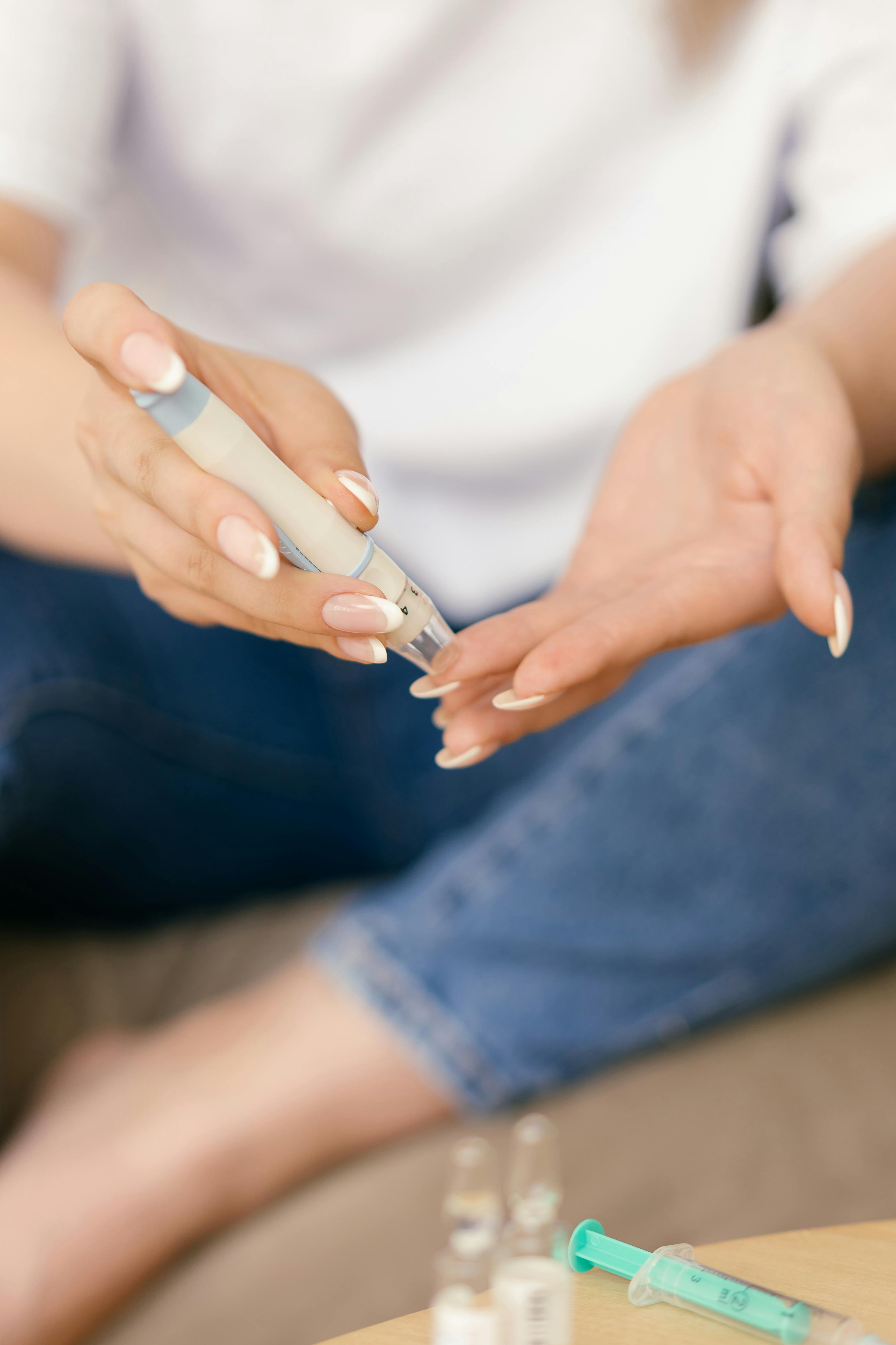
Cold temperatures constrict blood vessels, particularly in the extremities, which can affect the absorption rate of injected insulin and lead to inaccurate blood sugar meter readings with cold hands.
Tips for diabetics to maintain healthy blood sugar levels
1. Do gentle exercises
Regular exercise is one of the most effective ways to promote healthy blood sugar levels. In winter, incorporate indoor exercises into your routine. Activities like home workouts, yoga, or simple stretching can help manage blood sugar.
2. Monitor blood sugar regularly
Keep an eye on your blood sugar levels to spot any trends or fluctuations that may occur due to weather changes. It will help you make prompt lifestyle changes.
3. Choose wisely
Opt for balanced meals that include protein, healthy fats, and fibre to help stabilise blood sugar levels. Limit high-carb comfort foods and add more seasonal vegetables to your diet.
4. Stay hydrated
Drink plenty of water, as dehydration can lead to higher blood sugar levels. During the winter season, you can switch to warm water, herbal teas and soups to boost hydration.
5. Dress warmly
Keep warm to avoid the body's stress response to cold, which can affect insulin effectiveness. Wear multiple layers that can keep your body warm.
6. Manage stress
Engage in activities that help reduce stress, such as meditation, deep breathing exercises, or hobbies you enjoy. This will help you manage blood sugar levels and promote overall well-being.
In addition to these tips, it is also important to stay in touch with your doctor for personalised advice and potential medication or insulin dosage adjustments during the winter months.
By understanding how cold weather affects blood sugar levels and implementing these tips, individuals, especially those with diabetes, can better maintain healthy blood sugar levels throughout the winter months.
Disclaimer: This content including advice provides generic information only. It is in no way a substitute for a qualified medical opinion. Always consult a specialist or your own doctor for more information. NDTV does not claim responsibility for this information.