

)
Kit Chester-Canavan, a 16-year-old boy, was diagnosed with leukaemia after doctors 'dismissed' his symptoms to be that of a viral infection. Kit started experiencing back pain in bursts lasting three to four days in April last year, said a report in the Mirror. The following October, he had a bike crash which made the pain severe and he visited his GP who told that it was a straightforward musculoskeletal problem. Along with the pain, Kit also had an appetite loss and 6-7 kg of weight loss. Kit's mother, Amanda Chester, demanded that he undergo a blood test which revealed the high inflammation levels in his body.
Following this, Kit was diagnosed with acute lymphoblastic leukaemia (B Type). Kit said, "I was very shocked when I got the diagnosis. We were in Watford General and they went to speak to my mum in a separate room. When I went to see her she was crying and when she told me I had leukaemia I almost laughed because I was so shocked.
"It started out as muscular pain in my lower back, it was real agony, horrible. After the bike crash it was worse, really severe, more agony. It was annoying me, but I never thought anything of it. You never expect it to be you."
According to Amanda, "If I hadn't shouted for the blood test would we be in a different position? They should've been able to see something bigger was going on, that there were red flags."
Kit had begun his treatment which aims to stop the cancer from spreading. It includes chemotherapy, immunotherapy and bone marrow examinations. Doctors at University College Hospital London (UCLH) estimate that his treatment will span two years.
What Is Leukaemia?
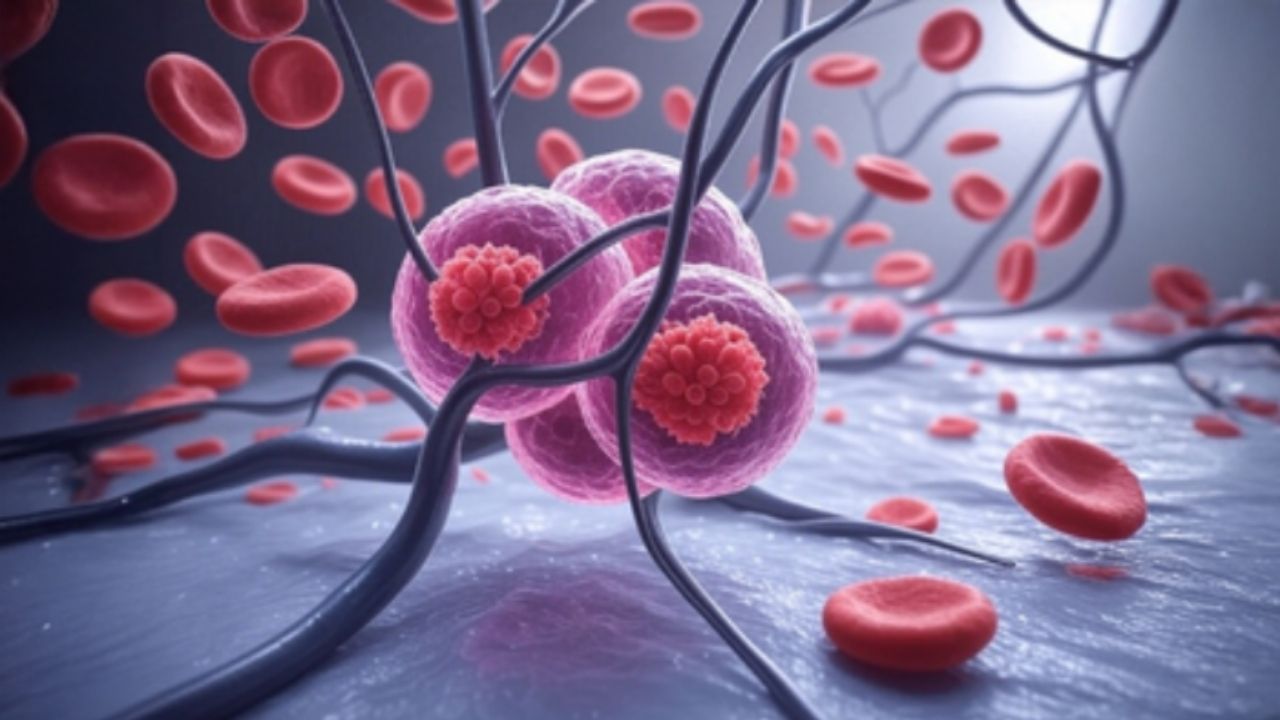
Leukaemia is cancer of the blood-forming tissue, including the bone marrow and the lymphatic system. It is characterised by the rapid growth of abnormal blood cells. Leukaemia, in most cases, impacts the white blood cells of the body. These cells help the body fight infections. Usually, they grow and divide in an orderly way, as per the needs of the body. However, in leukaemia, the bone marrow produces abnormally high levels of white blood cells, which don't function properly. There are different types of leukaemia, some of these are common in children and some which are common among adults.
Symptoms Of Leukaemia
Some of the common symptoms of leukaemia includes:
- Fatigue, easily tired
- Fever or night sweats
- Frequent infections
- Shortness of breath
- Pale skin
- Unexplained weight loss
- Bone/joint pain or tenderness
- Pain or full feeling under your ribs on the left side
- Swollen lymph nodes in your neck, underarm, groin or stomach
- Enlarged spleen or liver
- Bruising and bleeding easily
- Rash that looks like tiny red spots in skin (petechiae) or purplish/darkened skin patches
Types Of Leukaemia
Leukaemia is classified depending on the speed of progression and the type of cells involved. Here are some types of leukaemia, according to Mayo Clinic.
Speed Of Progression
- Acute leukaemia: The abnormal blood cells are immature blood cells (blasts). They can't carry out their normal functions, and they multiply rapidly, so the disease worsens quickly. This requires aggressive, timely treatment.
- Chronic leukaemia: There are many types of chronic leukaemias. Some produce too many cells and some cause too few cells to be produced. Chronic leukaemia involves more-mature blood cells. These blood cells replicate or accumulate more slowly and can function normally for a period of time.
Type Of White Blood Cell
- Lymphocytic leukaemia: This affects the lymphoid cells (lymphocytes), which form lymphoid or lymphatic tissue.
- Myelogenous leukaemia: This affects the myeloid cells, which are the ones that give rise to red blood cells, white blood cells and platelet-producing cells.
Types Of Leukaemia
Some of the major types of leukaemia include:
- Acute lymphocytic leukaemia (ALL): This is the most common type of leukaemia in young children.
- Acute myelogenous leukaemia (AML): AML is a common type of leukaemia. It occurs in children and adults.
- Chronic lymphocytic leukaemia (CLL): This is the most common chronic adult leukaemia.
- Chronic myelogenous leukaemia (CML): This type of leukaemia mainly affects adults. A person with CML may have few or no symptoms for months or years.
- Other types: Other, rarer types of leukaemia exist, including hairy cell leukaemia, myelodysplastic syndromes and myeloproliferative disorders.
Risks Of Leukaemia
Here are some of the factors that may increase the risk of leukaemia.
- Previous cancer treatment: People who've had certain types of chemotherapy and radiation therapy for other cancers have an increased risk of developing certain types of leukemia.
- Genetic disorders: Genetic abnormalities play a role in the development of leukaemia.
- Exposure to chemicals: Exposure to certain chemicals, such as benzene, is linked to an increased risk of some kinds of leukaemia.
- Smoking: Smoking cigarettes increases the risk of acute myelogenous leukaemia.
- Family history: If members of your family have been diagnosed with leukaemia, your risk of the disease may be increased.
It is important to note that not everyone with known risk factors will develop leukaemia, and on the other hand, people with leukaemia don't have these risk factors.
Disclaimer: This content including advice provides generic information only. It is in no way a substitute for a qualified medical opinion. Always consult a specialist or your own doctor for more information. NDTV does not claim responsibility for this information.