

)
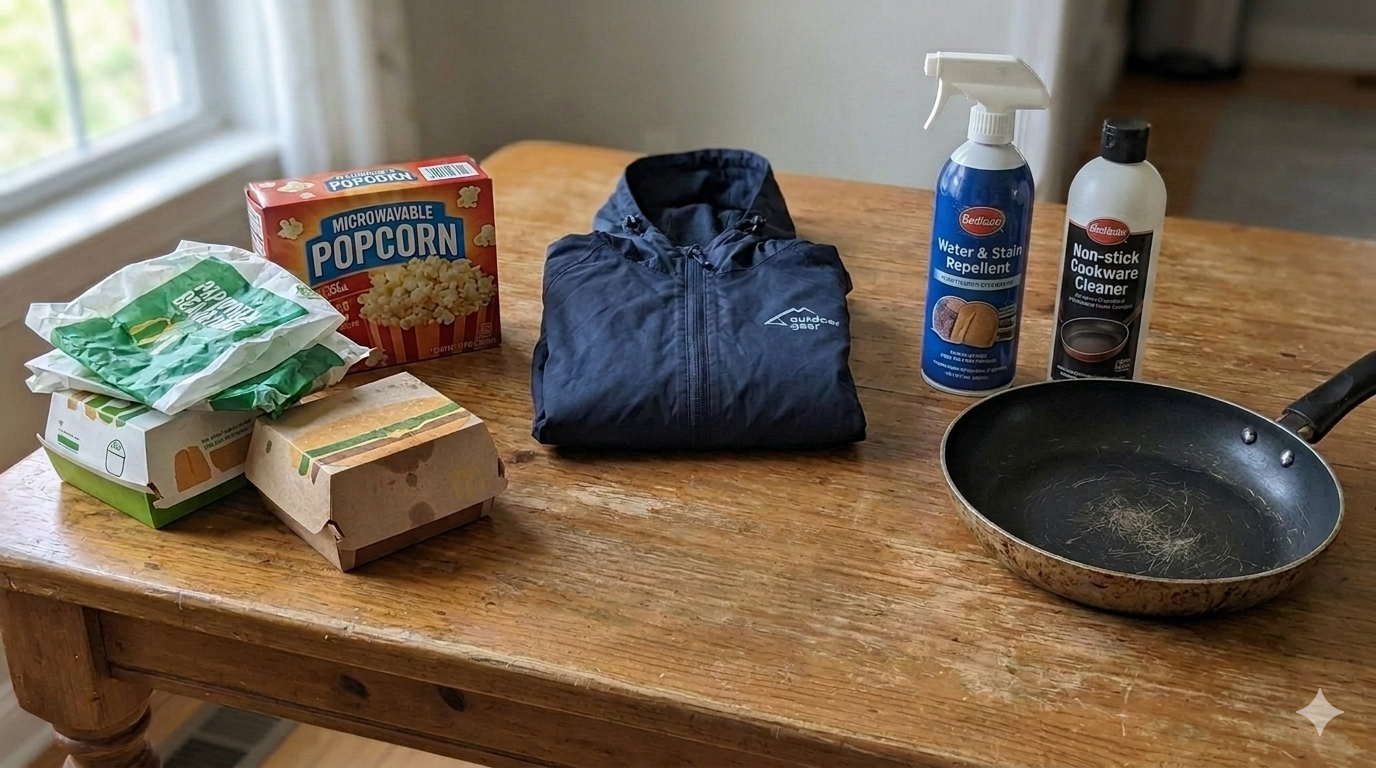
Exposure to "forever chemicals" in early life may raise the risk of childhood leukaemia, a new study found. Researchers from the University of California, Irvine found that higher levels of certain per- and polyfluoroalkyl substances (PFAS) in newborns were linked to an increased link of developing acute lymphoblastic leukaemia (ALL), the most common type of childhood cancer. PFAS are man-made chemicals used in many everyday products, such as food packaging, non-stick cookware, stain-resistant fabrics, and waterproof cosmetics, and they dissolve slowly in the environment. This gives them the nickname, 'forever chemicals'.
For the study, the researchers analysed dried blood-spot samples collected from babies in Los Angeles County between 2000 and 2015. These samples were then compared those who later developed ALL with those who did not. The scientists checked levels of 17 different PFAS compounds and found that some of these chemicals, especially perfluorooctanoic acid (PFOA) and perfluorooctane sulfonate (PFOS), were present at higher levels in children who later developed leukaemia. While the exact mechanism is still being studied, experts think PFAS may affect the immune system and cell growth in ways that may support cancer development. The study was published in the Journal of Exposure Science & Environmental Epidemiology, a Nature journal.
What Are PFAS And Why Are They Worrying?
PFAS are a large group of synthetic chemicals that repel water, oil, grease, and heat. They are used in raincoats, non-stick pans, microwave popcorn bags, fast food wrappers, some cosmetics, and even cleaning products. Since they have strong chemical bonds, they break down very slowly, and build up in soil, water, air, and the bodies of humans and animals over time. Children are especially vulnerable because they drink more water per kilogram of body weight, breathe more air, and often put hands and objects into their mouths, which can increase their exposure to such chemicals
Studies have already linked PFAS to several health problems in children and adults, including changes in growth, immune function, thyroid hormones, and an increased risk of some cancers. The new study adds to concerns by showing that early-life exposure to PFAS may also play a role in childhood blood cancer.
Study Overview And Findings
In this study, researchers used newborn blood-spot samples that had been routinely collected for screening after birth. They then matched these samples with health record data to see which children later developed ALL, the most common childhood leukaemia, and which did not. By measuring 17 different PFAS compounds in the blood spots, the team could estimate each child's exposure to 'forever chemicals' during the very first days of life.
The researchers found that higher levels of certain PFAS, especially PFOA and PFOS, increased the risk of ALL. The researchers also found that the cumulative effect of exposure, how much of several PFAS a child had taken in together, seemed to matter as well. This means that mixtures of these chemicals may be more dangerous than single substances alone. Because ALL usually starts in the bone marrow, where blood cells are made. Scientists suspect PFAS might interfere with early blood cell development or immune regulation, but this is still being investigated.
Veronica Vieira, chair and professor of environmental and occupational health at Wen Public Health and corresponding author said, "This research moves us closer to understanding what babies are exposed to from the very start by directly measuring PFAS present at birth, rather than estimating exposure from drinking water. By capturing exposures during a critical window of development, we are gaining a clearer picture of how environmental contaminants may contribute to childhood cancer risk."
What Can Parents Do?
The study does not prove that PFAS causes childhood leukaemia. It only says that higher early-life exposure to 'forever chemicals' increases the risk. However, with what is already known PFAS and children's health, it is important to to reduce exposure whenever possible.
For example, try to limit packaged and fast food items that contain PFAS coatings in wrappers or containers, choose glass or stainless-steel containers instead of non-stick or heavily coated cookware, and avoid stain-resistant or water-repellent treatments on furniture and children's clothes.
Disclaimer: This content including advice provides generic information only. It is in no way a substitute for a qualified medical opinion. Always consult a specialist or your own doctor for more information. NDTV does not claim responsibility for this information.