

)
Childhood cancers, also known as paediatric cancers are those that affect children from birth till the age of 14 years. Cancers that affect children between 15 to 19 years are known as adolescent cancers. Cancer is a leading cause of death for children and adolescents. According to the World Health Organization (WHO), an estimated 4,00,000 children and adolescents develop cancer each year across the globe. The most common types of childhood cancer include leukemias, brain tumours, lymphomas, and solid tumours such as neuroblastoma and Wilms tumour, according to WHO.
Speaking to NDTV, Dr. Vikas Dua, Principal Director and Head, Paediatric Haematology, Hemato-Oncology and Bone Marrow Transplant at Fortis Memorial Research Institute, Gurugram, said that childhood cancer is rare, but when it does occur, early detection can make a life-saving difference. "Unlike adults, children often cannot clearly express what they are feeling, and early symptoms of cancer can closely resemble common childhood illnesses. As a result, warning signs are frequently overlooked or dismissed as minor infections, growth-related changes, or nutritional issues. Awareness among parents and caregivers is the first step toward timely diagnosis and treatment."
Dr. Dua also shared some of the warning signs of childhood cancer that parents tend to miss.
Early Warning Signs Of Childhood Cancer
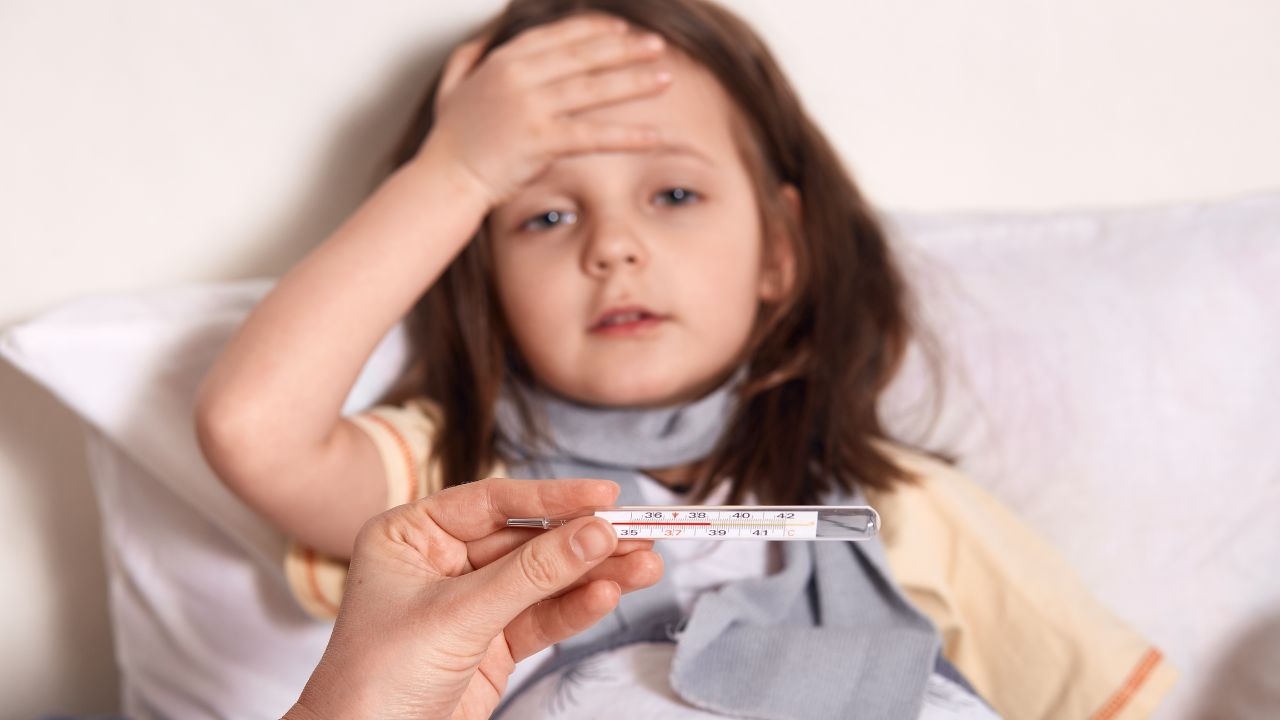
1. Persistent Or Unexplained Fever
One of the most commonly missed warning signs is persistent or unexplained fever. While children frequently develop fevers due to infections, a fever that lasts more than two weeks, recurs frequently, or does not respond to usual treatment should raise concern. Such fevers may be associated with blood cancers like leukemia or lymphomas and are often accompanied by fatigue, pallor, or frequent infections.
2. Weight Loss
Unintentional weight loss or poor weight gain is another red flag. Children are expected to grow steadily, and any unexplained drop in weight, loss of appetite, or failure to thrive should be evaluated carefully, says Dr. Dua. In some cancers, increased energy demands of the body or reduced appetite due to illness can lead to noticeable weight changes that parents may initially attribute to picky eating or stress.
3. Painless Lumps Or Swellings
Parents often overlook painless lumps or swellings, especially in the neck, armpit, abdomen, or groin. Enlarged lymph nodes are common in infections, but lumps that are hard, non-tender, increasing in size, or persist beyond a few weeks need medical attention. Abdominal swelling or a visible mass may be linked to tumours of the kidney, liver, or adrenal glands.
4. Pain, Easy Bruising
Other subtle but important signs include persistent bone or joint pain, especially if it worsens at night or causes limping. This pain is sometimes mistaken for "growing pains" but may be linked to bone cancers or leukemia. Similarly, unusual bruising or bleeding, frequent nosebleeds, or tiny red spots on the skin can indicate problems with blood cell production.
5. Other Symptoms Of Childhood Cancer
Changes in energy levels and behaviour are also easy to miss. A child who is unusually tired, less active, or withdrawn for prolonged periods may be experiencing more than just routine fatigue. Persistent headaches, especially when associated with early morning vomiting or vision changes, can be warning signs of brain tumours and should never be ignored.
Dr. Dua said that it is important to remember that these symptoms do not automatically mean cancer. However, what makes childhood cancer challenging is that symptoms are often vague and overlap with common illnesses. "The key is persistence, progression, and combination of symptoms. Parents should trust their instincts; if something feels unusual or does not improve over time, seeking medical advice is essential."
Early diagnosis can significantly improve treatment outcomes in childhood cancers. Regular health check-ups, open communication with paediatricians, and prompt investigation of persistent symptoms can help save lives. Awareness empowers parents to act early; and in childhood cancer, early action truly matters.
Disclaimer: This content including advice provides generic information only. It is in no way a substitute for a qualified medical opinion. Always consult a specialist or your own doctor for more information. NDTV does not claim responsibility for this information.