

)
Shorter days, reduced physical activity, festive overeating, and a natural tendency to crave warm, calorie-dense foods can make fat loss feel like an uphill task. However, research suggests that winter may actually offer certain metabolic advantages for weight management when approached correctly. For Indian adults, aligning diet choices with seasonal availability may not only make weight loss possible in winter but also more sustainable. Below are winter seasonal foods can support fat burning and healthy weight loss.
Seasonal foods that can support winter weight loss
1. Carrots
Winter carrots are naturally sweeter and rich in dietary fibre and beta-carotene. Research shows that fibre-rich vegetables promote satiety and reduce overall calorie intake. Carrots have a low glycaemic load, meaning they do not spike blood sugar levels, a key factor in fat storage.
2. Methi
Fenugreek is widely used in Indian winter cooking and has strong evidence supporting its role in blood sugar regulation and appetite control. Studies show fenugreek fibre improves insulin sensitivity, which is crucial for fat loss.
3. Mustard greens
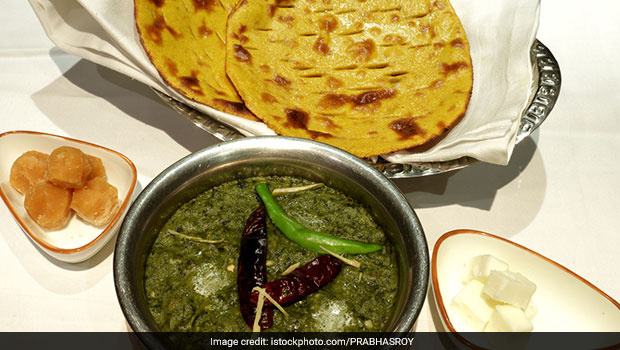
Sarson is a winter staple rich in antioxidants, vitamin K, and plant compounds that support metabolic health. Leafy greens are associated with lower body fat percentages due to their low calorie density and high nutrient content.
4. Sweet potatoes
Contrary to popular belief, sweet potatoes can support weight loss when eaten in moderation. Research shows that resistant starch and fibre improve insulin sensitivity and gut health. Best way to eat is boiled or roasted without added sugar or butter.
5. Peanuts
Peanuts are harvested in winter and are rich in protein, healthy fats, and fibre. Studies suggest that nuts do not contribute to weight gain when consumed in controlled portions and may even enhance fat oxidation. Protein and fat combination increases satiety and reduces overeating.
6. Guava
Guava is a winter fruit loaded with vitamin C and fibre. Research links high vitamin C levels with improved fat oxidation during physical activity. It supports metabolism and improves digestion, which plays a role in weight regulation.
7. Radish
Radish is low in calories and high in water content and fibre. Studies show that water-rich vegetables increase fullness while reducing total energy intake. Promotes satiety without adding excess calories.
8. Ginger
Ginger has thermogenic properties, meaning it slightly increases body temperature and calorie expenditure. Research indicates ginger supplementation can reduce body weight, waist-to-hip ratio, and insulin resistance.
9. Turmeric
Curcumin, the active compound in turmeric, has been studied for its role in reducing inflammation and improving metabolic health. Chronic inflammation is closely linked with obesity and difficulty losing fat. Lower inflammation supports better fat metabolism and insulin sensitivity.
10. Citrus fruits
Winter citrus fruits are high in vitamin C and flavonoids that support fat oxidation. Studies suggest individuals with adequate vitamin C levels burn more fat during moderate exercise compared to those deficient. It improves fat-burning efficiency and supports immune health during winter.
Seasonal foods are naturally aligned with the body's nutritional needs during specific weather conditions. Winter produce tends to be richer in fibre, antioxidants, and warming compounds that support digestion and metabolism. Research also shows that seasonal eating improves diet quality and reduces dependence on ultra-processed foods, one of the biggest barriers to weight loss.
Weight loss in winter does not require extreme dieting. Pairing seasonal foods with regular meals, adequate protein intake, daily movement (including indoor workouts or walking), good sleep, and stress management is far more effective than restrictive plans. Individuals with thyroid disorders, diabetes, or other metabolic conditions should seek personalised medical advice before making major dietary changes.
Disclaimer: This content including advice provides generic information only. It is in no way a substitute for a qualified medical opinion. Always consult a specialist or your doctor for more information. NDTV does not claim responsibility for this information.
References
Cold Exposure and Energy Expenditure – National Institutes of Health (NIH), 2014
Dietary Fibre and Satiety Mechanisms – National Center for Biotechnology Information (NCBI), 2015
Fenugreek and Glycaemic Control – NCBI, 2016
Leafy Green Vegetable Intake and Obesity Risk – NCBI, 2018
Resistant Starch and Insulin Sensitivity – NIH, 2012
Nut Consumption and Weight Management – NCBI, 2015
Vitamin C Status and Fat Oxidation – NIH, 2005
Ginger Supplementation and Weight Reduction – NCBI, 2019
Curcumin and Metabolic Health – NCBI, 2017
Water-Dense Foods and Energy Intake – Centers for Disease Control and Prevention (CDC), 2016