

)
In a rare and emotional case, the Delhi High Court has allowed a 17-year-old boy to donate a portion of his liver to his father, who is battling advanced chronic liver disease and liver cancer. The decision highlights not only the extraordinary bond between a parent and child but also the strict legal and medical safeguards surrounding organ donation by minors in India. Living liver donation by a person under 18 is generally prohibited under Indian law. However, in exceptional circumstances, courts may permit it when no suitable adult donor is available and the transplant is the only life-saving option. In this case, medical experts found the teenager physically fit, confirmed that he was donating voluntarily without coercion or financial motive, and established that he was the only compatible donor.
Why Was A Minor Allowed To Donate?
The Delhi High Court observed that the boy's father, who is suffering from chronic liver disease with cirrhosis, portal hypertension, mild ascites and hepatocellular carcinoma (liver cancer), urgently required a liver transplant to survive. Since all other close relatives had been evaluated and found unsuitable, the court ruled that the case fulfilled the exceptional conditions under the Transplantation of Human Organs and Tissues Rules, 2014, allowing a minor to become a living donor.
Also read: Living With One Kidney: Doctor Separates Facts From Myths
What Happens To The Donor?
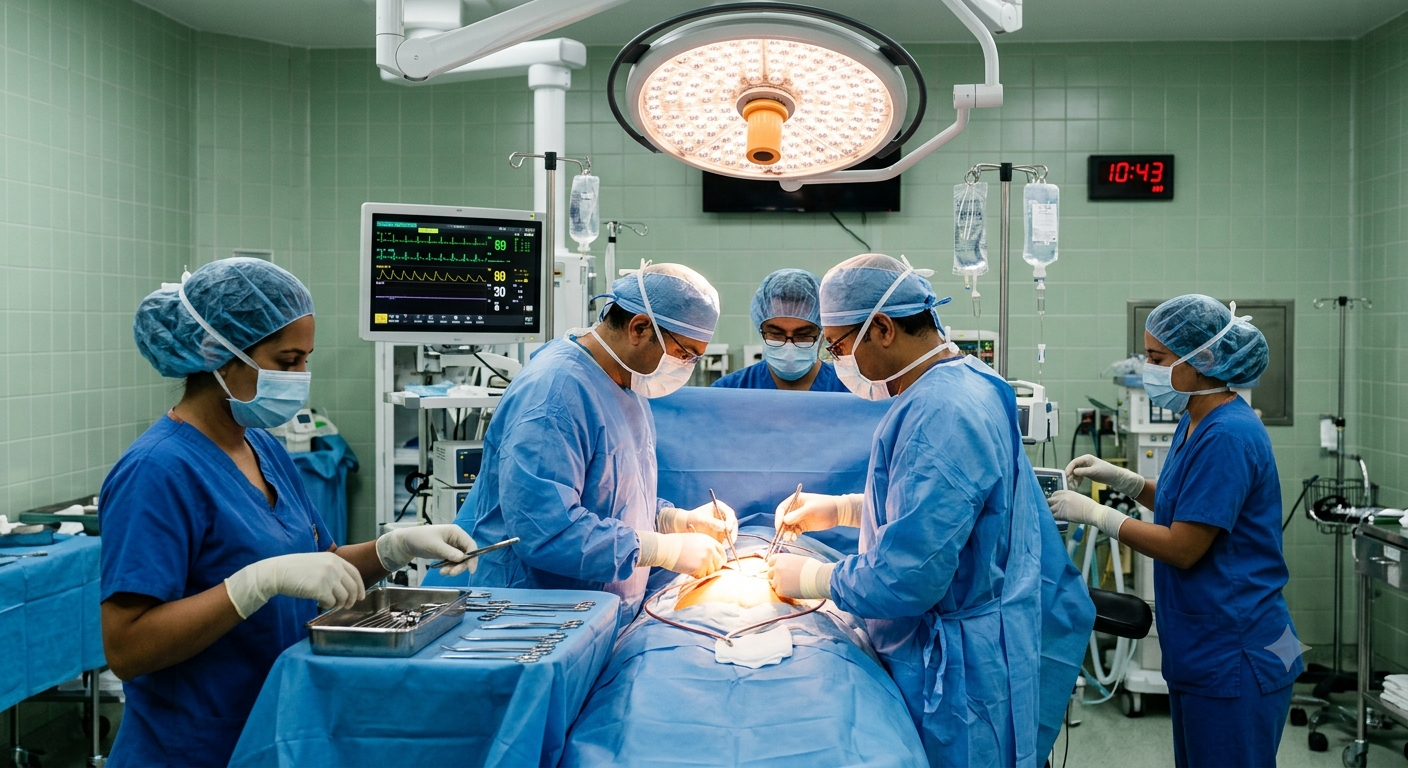
One of the liver's most remarkable features is its ability to regenerate. During a living donor liver transplant, surgeons remove only a portion of the donor's liver rather than the entire organ.For a healthy donor, the remaining liver gradually grows back over the following weeks and months, allowing the organ to regain most of its original size and function.
Although living liver donation is considered safe when performed after thorough medical evaluation, it remains a major surgical procedure. The donor may experience:
- Temporary pain after surgery
- Fatigue during recovery
- Risk of bleeding or infection
- A hospital stay followed by several weeks of restricted activity
Most healthy donors are able to return to work, education and normal daily life within a few months after complete recovery.
What Happens To The Recipient?
The transplanted portion of the donor's liver also regenerates inside the recipient's body. If the surgery is successful, the new liver tissue gradually enlarges to meet the body's needs and restores normal liver function. For patients with end-stage liver disease or liver cancer, transplantation often offers:
- Improved survival
- Better quality of life
- Freedom from complications of liver failure
- Ability to resume normal daily activities after recovery
However, recipients require lifelong follow-up, regular monitoring and immunosuppressive medicines to prevent organ rejection.
Why The Liver Is Unique
Unlike the heart or kidneys, the liver has an extraordinary ability to regenerate. Even after nearly 60 to 70 percent of the liver is removed, both the donor's remaining liver and the transplanted segment can grow back sufficiently to perform normal liver functions over time. This regenerative ability makes living donor liver transplantation possible.
Also read: India Leads In Living Donor Liver Transplants, Gold Standard For World: Experts
Living Donation Requires Careful Evaluation
Before any living liver donation is approved, doctors conduct extensive assessments, including:
- Blood group and tissue compatibility
- Liver function tests and imaging
- Overall physical fitness
- Psychological evaluation
- Assessment to ensure voluntary consent
These evaluations are designed to protect both the donor and the recipient. The Delhi High Court's decision reflects the rare circumstances under which a minor may be permitted to become a living organ donor in India. While living liver donation can save a life, it is undertaken only after rigorous medical evaluation, legal scrutiny and ethical safeguards. For both donor and recipient, successful transplantation offers hope, but long-term recovery depends on expert surgical care, careful follow-up and strict adherence to medical advice.
Disclaimer: This content including advice provides generic information only. It is in no way a substitute for a qualified medical opinion. Always consult a specialist or your own doctor for more information. NDTV does not claim responsibility for this information.