

)
Delhi is currently witnessing a sharp rise in H1N1 cases. A total of 1,449 H1N1 influenza cases have been reported in the national capital so far this year. According to the National Centre for Disease Control (NCDC), this represents a six-fold increase compared to the 229 cases reported during the same period last year. "1,449 cases of H1N1 have been recorded so far this year," Delhi Health Minister Dr Pankaj Kumar Singh told NDTV. He also mentioned that dedicated wards have been set up at hospitals, including Ram Manohar Lohia Hospital and Safdarjung Hospital, to manage the surge in cases.
"There is an increase in the number of H1N1 patients. 1 in 3 patients sent for testing are coming positive. We are also seeing a rise in cases among children," Dr Vandana Garg, Director - Internal Medicine at Max Super Speciality Hospital, Vaishali, Ghaziabad, told NDTV.
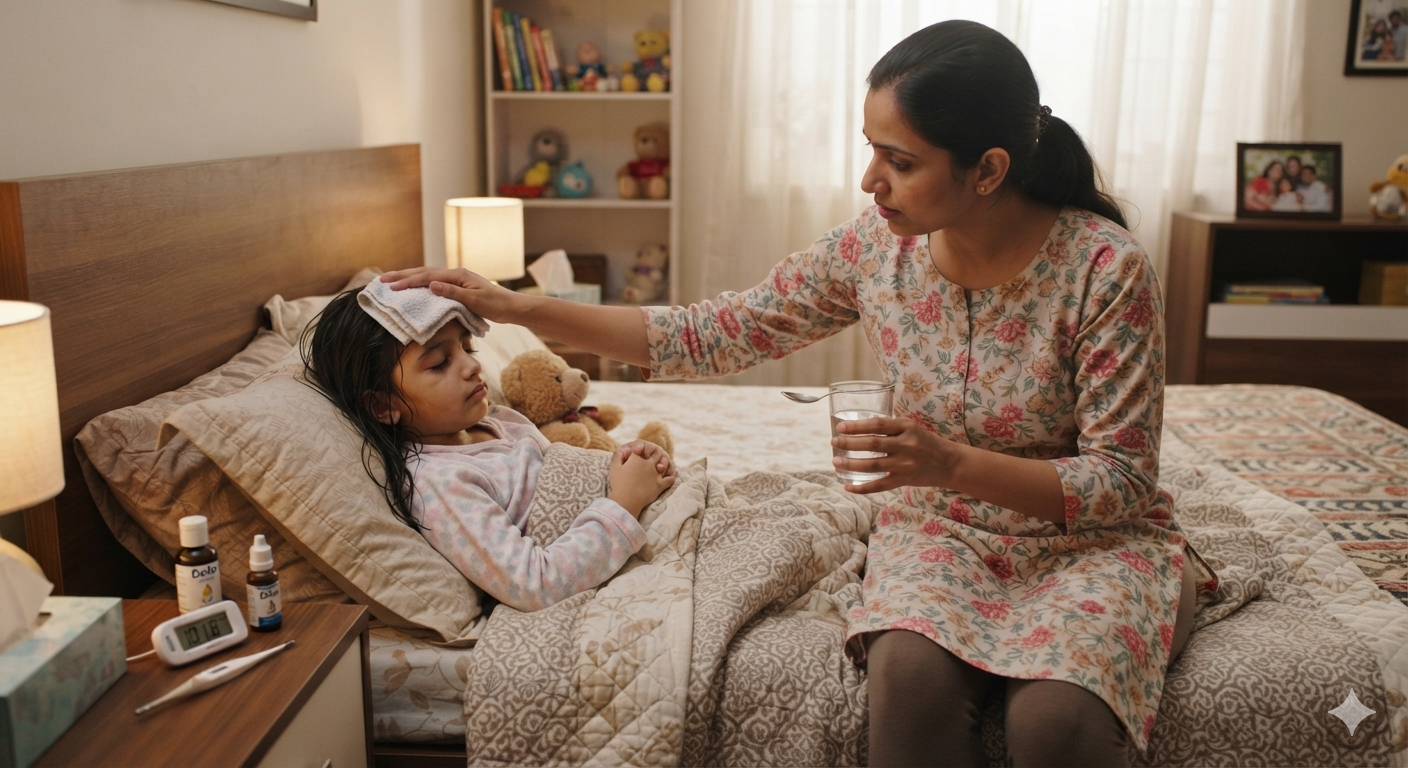
H1N1 is affecting children across the national capital. A video of Navya Vachher, mother of two and a mom influencer, is going viral on Instagram. In the video Vachher has mentioned that the "situation is worse."
"Both my girls are sick, and at least 15-16 positive cases have been reported among my daughter's classmates."
"The situation is so bad that I am not able to find flu medicines anywhere near me, and we have to wait till tomorrow for those. The outbreak is real; the situation is bad. Parents should have their children tested if symptoms appear," Ms Vachher said.
Speaking to NDTV, another parent in Delhi reported that both their children developed symptoms including high fever, extreme fatigue and body pain. "A lot of children in the neighbourhood and many of my daughter's classmates are ill. She likely caught it from them, and now our son is also showing symptoms," said mother of Ojasvi, 6, who got her daughter tested that morning and is awaiting the results.
Signs and symptoms of H1N1 (swine flu)
Sudden high fever, severe dry cough and intense body aches are common symptoms of H1N1. Unlike a common cold, which develops gradually over a few days, H1N1 symptoms usually strike abruptly and feel much more severe within one to four days of exposure. Patients also experience extreme fatigue.
Symptoms include:
- Fever or chills
- Cough
- Sore throat
- Runny or stuffy nose
- Body aches
- Headaches
- Fatigue
- Diarrhea and vomiting
Emergency warning symptoms
Seek immediate emergency medical care if your child exhibits any of these warning signs:
- Difficultly breathing
- Bluish or grey lips, face, or skin tone
- Difficulty waking up
- Severe dehydration
- Extreme irritability
- Flu-like symptoms that improve but then return with a worse cough and higher fever
How to keep children safe:
"Preventing exposure and building immunity are the best defences against the virus. Children need to be vaccinated and to follow hand hygiene and avoid going out if symptoms are present," Dr Garg added.
1. Get vaccinated
Ensure that your children receive the annual flu vaccine, which includes protection against H1N1, especially if they are older than 6 months.
2. Hand hygiene
Teach children the importance of washing their hands regularly with soap and water for at least 20 seconds, especially before meals and after using the restroom.
3. Avoid close contact
Keep your child away from individuals who are displaying symptoms of respiratory illnesses, such as coughing or sneezing. This helps reduce the risk of exposure to the virus.
4. Practice cough etiquette
Show children how to cough or sneeze into a tissue or their inner elbow, not their hands.
5. Disinfect shared items
Regularly clean and disinfect items that are commonly touched in your home, such as toys, doorknobs, light switches, and electronic devices. This helps minimise the chance of germ transmission.
Amid the spike in H1N1 cases, it is crucial to practice hand hygiene and other precautionary measures to stay safe.
Disclaimer: This content including advice provides generic information only. It is in no way a substitute for a qualified medical opinion. Always consult a specialist or your own doctor for more information. NDTV does not claim responsibility for this information.