

)
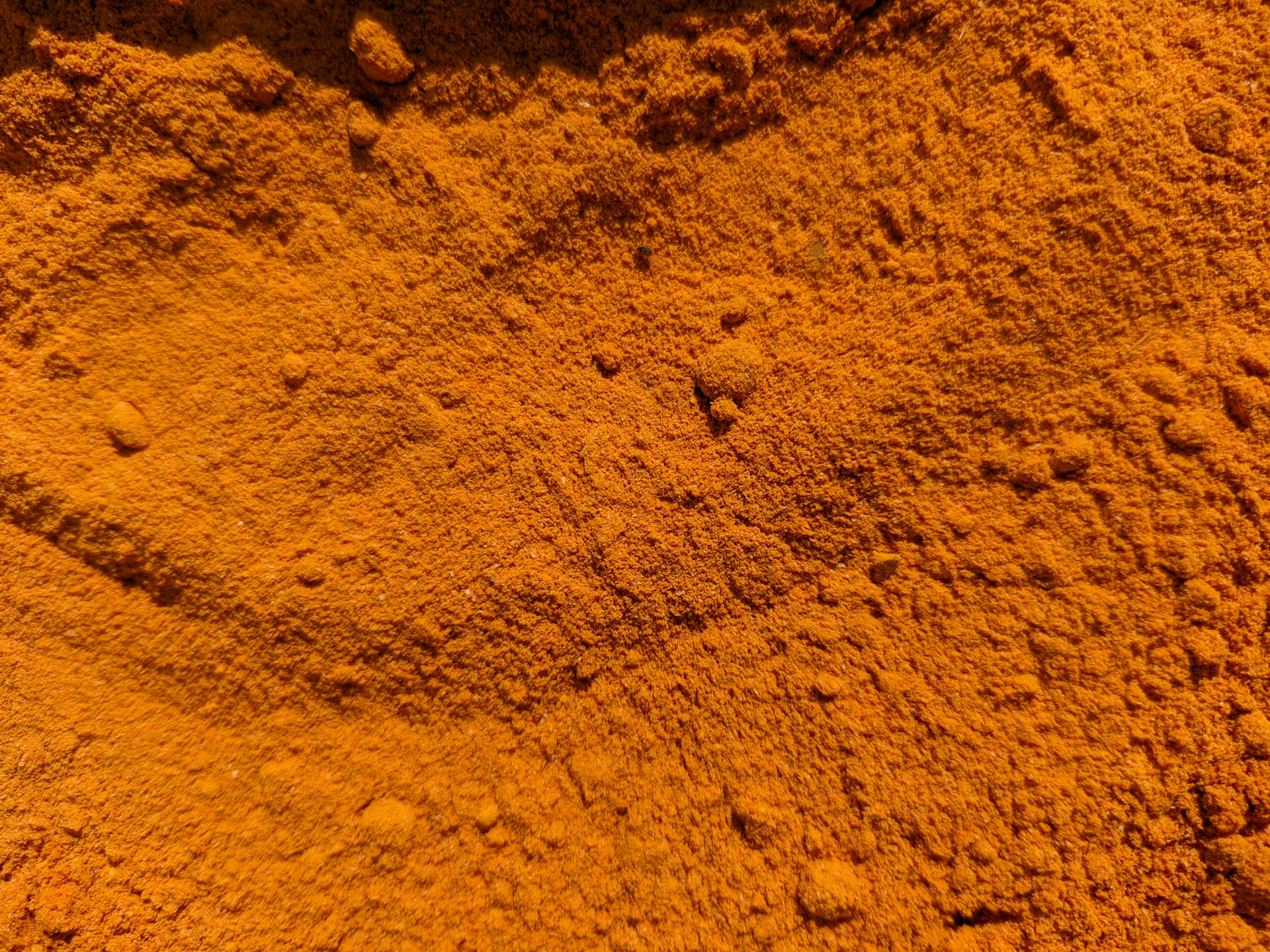
Haldi, or turmeric, is the golden spice derived from the underground stems, or rhizomes, of the Curcuma longa plant. It has been used as medicine in India for its anti-inflammatory and anti-microbial as well as anti-viral properties. The main active compound present in haldi is curcumin, which is responsible for most of the health benefits it offers. In the National Library of Medicine (2012), the application of curcumin as an effective therapy for treating certain diseases commonly found in humans has been extensively documented. There were promising effects seen in patients who had been diagnosed with pro-inflammatory diseases and health conditions like cancer, arthritis, gastric issues, skin conditions, and others. Here, let's discuss some the notable benefits of adding turmeric to your diet.
Science-Backed Health Benefits Of Haldi Or Turmeric
1. Joint And Arthritis Relief
Turmeric can help relieve osteoarthritis and rheumatoid arthritis symptoms like pain, joint stiffness, and inflammation. A study from 2021, which looked at 539 patients with rheumatoid arthritis, concluded that their pain was reduced by a significant margin when they were given targeted curcumin supplements.
2. Brain Booster
Haldi possesses neuroprotective effects that keep the brain healthy and can be beneficial for memory. The active component in turmeric, curcumin, has the ability to cross the blood-brain barrier and increase brain-derived neurotrophic factor, which holds the key to memory and neurone growth. There has been some progress in people who have been diagnosed with Alzheimer's, but the evidence is limited, and haldi only reduces the excess inflammation in the brain in people who have been diagnosed with brain disorders.
Read More: Does Eating Raw Garlic 15 Minutes Before Breakfast Help With High Blood Pressure?
3. Cardiovascular Support
Turmeric consumption has positive impacts on the lining of blood vessels of the heart, and it also improves heart health markers such as:
- Reduce LDL Cholesterol
- Aid in faster recovery from post-bypass heart surgeries.
According to The Journal of Biomedicine and Pharmacotherapy (2025), curcumin can effectively help people who have been diagnosed with heart disease and manage their overall health condition in a better way.
4. Digestive Health
Haldi has been used as a digestive aid, with increasing evidence on reducing symptoms of irritable bowel syndrome and its use in managing inflammatory bowel conditions such as Crohn's disease, ulcers, and many more gastrointestinal issues. Most of these health conditions are caused by inflammation, which can be counteracted by turmeric's anti-inflammatory properties.
5. Recuses Inflammation
Inflammation is the natural response in the human body when it is exposed to environmental toxins. When free radicals accumulate in the body over time due to exposure to toxins, this causes oxidative stress, which leads to accelerated ageing. This is a conditional existential inflammation. Chronic inflammation happens in the body due to the existence of certain diseases. Both of these inflammations are reduced by regulated and monitored turmeric consumption, especially for people diagnosed with health conditions and serious diseases. According to National Library of Medicine(2020) study has cited that a compound present in haldi, named Curcuma, acts as an anti-inflammatory, anticancer, antidiabetic, antidiarrheal, antimicrobial, and antiviral.
Take note: Turmeric is poorly absorbed and metabolised quickly by the body. However, combining it with piperine, present in black pepper, can increase its absorption by 2000%.
While turmeric has many health benefits, it is not a replacement for seeking medical treatment for serious conditions. Excessive turmeric consumption can interfere with certain medication. Therefore, it is wise to consult an expert to know the right dosage for you.
Read More: Haldi Benefits For Heart Health: Harvard-Trained Doctor Shares Turmeric Tips
Disclaimer: This content, including advice, provides generic information only. It is in no way a substitute for a qualified medical opinion. Always consult a specialist or your own doctor for more information. NDTV does not claim responsibility for this information.
References:
Rajesh Yadav, Shruti Mishra, Rupesh Chaturvedi, Achyut Pandey, Therapeutic potential of curcumin in cardiovascular disease: Targeting atherosclerosis pathophysiology, Biomedicine & Pharmacotherapy, Volume 190, 2025
Therapeutic effects of turmeric or curcumin extract on pain and ... (2021).
Anti-Inflammatory Effects of Curcumin in Inflammatory Diseases. (2021).
Pharmacological Mechanisms and Clinical Applications of Curcumin: Update - PubMed
Hao M, Chu Y, Lei J, Yao Z, Wang P, Chen Z, Wang K, Sang X, Han X, Wang L, Cao G. Pharmacological Mechanisms and Clinical Applications of Curcumin: Update. Ageing Dis. 2023 Jun 1;14(3):716-749. doi: 10.14336/AD.2022.1101. PMID: 37191432; PMCID: PMC10187702.
Pharmacological properties and underlying mechanisms of curcumin and prospects in medicinal potential - ScienceDirect
Gupta SC, Patchva S, Aggarwal BB. Therapeutic roles of curcumin: lessons learnt from clinical trials. AAPS J. 2013 Jan; 15(1):195-218. doi: 10.1208/s12248-012-9432-8. Epub 2012 Nov 10. PMID: 23143785; PMCID: PMC3535097