

)
When we think about liver health, diet usually takes centre stage. Less oil, fewer processed foods, maybe cutting down on alcohol. All important, no doubt. But here's something many people overlook: your daily movement can play a powerful role in keeping your liver healthy too. Yes, a simple, short exercise routine done consistently can support your liver in ways you might not expect. According to a study in Journal of Clinical Medicine, incorporating structured exercise into lifestyle modifications plays a crucial role in improving non-alcoholic fatty liver disease.
Why Your Liver Needs More Than Just a Good Diet
Your liver is one of the hardest-working organs in your body. It helps detoxify harmful substances, processes nutrients, regulates metabolism, and even supports digestion. However, modern lifestyles, long hours of sitting, minimal physical activity, and high-calorie diets, are putting increasing pressure on liver health. This is why conditions like Non-Alcoholic Fatty Liver Disease are becoming more common, even among younger adults.
The European Association for the Study of the Liver (EASL) advises patients with NAFLD to engage in 150-200 minutes of moderate-intensity exercise per week.
The 5-Minute Routine Your Liver Will Love
You don't need an intense gym session. A short, focused routine combining movement and breath can stimulate blood flow, improve metabolism, and support liver function. Here's a simple routine you can do daily:
1. Brisk Walking (2-3 Minutes)
Start with a quick round of brisk walking, even if it's just in your room or balcony. This gets your blood circulating and kickstarts your metabolism. It may sound basic, but consistent walking has been shown to reduce fat accumulation in the liver over time.
Also read: AIIMS-Trained Doctor Explains How Fatty Liver Can Be Managed With Smarter Oil Choices
2. Kapalbhati Pranayama (1-2 Minutes)
Sit comfortably and focus on quick, forceful exhalations while keeping inhalation passive. This breathing technique stimulates abdominal organs, including the liver, and may help improve digestion and detoxification processes. Start slow if you're a beginner and avoid it if you have certain medical conditions like high blood pressure without consulting a doctor.
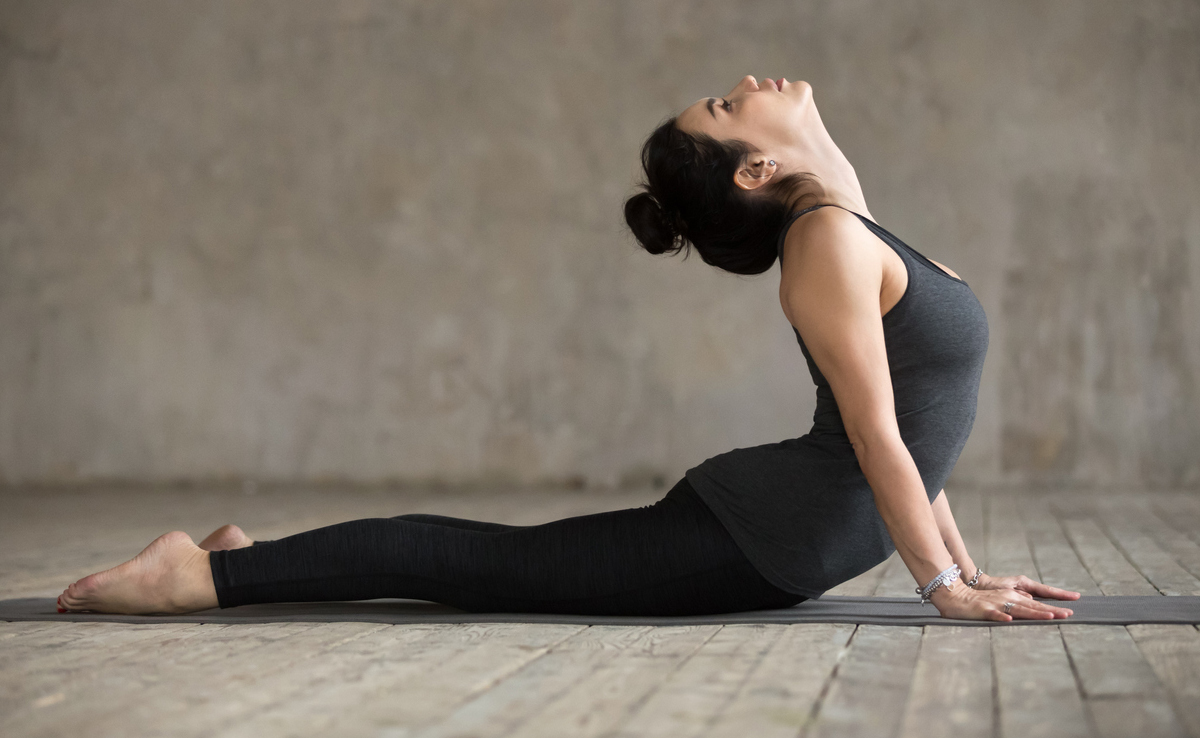
3. Bhujangasana (1 Minute)
Lie on your stomach, place your palms under your shoulders, and gently lift your upper body while keeping your pelvis grounded. This pose stretches the abdominal region and improves blood flow to the liver and surrounding organs.
4. Pavanamuktasana (1 Minute)
Lie on your back and bring your knees towards your chest, hugging them gently. This pose supports digestion, relieves bloating, and reduces pressure in the abdominal area, indirectly benefiting liver function.
How Does This Actually Help?
Regular physical activity improves insulin sensitivity, reduces fat storage, and enhances blood circulation. All of these are key factors in preventing liver conditions. In fact, studies suggest that even modest daily exercise can significantly reduce liver fat, especially in people at risk of metabolic disorders.
Consistency Over Intensity
You don't need to push your limits or spend hours working out. What matters more is showing up every day. Five to ten minutes of mindful movement is far better than an intense workout you only do once a week.
Also read: Diabetes And Fatty Liver Disease: The Role Of Insulin Resistance Explained
Small Changes, Big Impact
Pair this routine with simple lifestyle habits:
- Stay hydrated
- Eat balanced meals with fibre and protein
- Limit ultra-processed foods
- Get enough sleep
These small steps, when combined, create a strong foundation for liver health. Your liver doesn't ask for much, just a little daily care. A short exercise routine might seem too simple to make a difference, but over time, it can help protect one of your body's most vital organs. So instead of waiting for symptoms or lab reports to tell you something's wrong, take a few minutes today to move, breathe, and support your liver the natural way.
Disclaimer: This content, including advice, provides generic information only. It is in no way a substitute for a qualified medical opinion. Always consult a specialist or your own doctor for more information. NDTV does not claim responsibility for this information.