

)
From the golden swirl of ghee on dal to the butter slathered on a hot paratha, fats are the soul of Indian cuisine. However, as lifestyle diseases like hypertension and type-2 diabetes skyrocket across the country, the Indian plate is undergoing a scientific change. This is where precision-fermented fats can prove beneficial as a breakthrough in food technology, promising the creamy indulgence of traditional dairy without the health or environmental concerns. But what exactly are these lab-grown fats, and can they truly replace the traditional shuddh dairy fats that have been consumed for generations? The science of this microbial revolution has the answers.
What Exactly Are Precision-Fermented Fats?
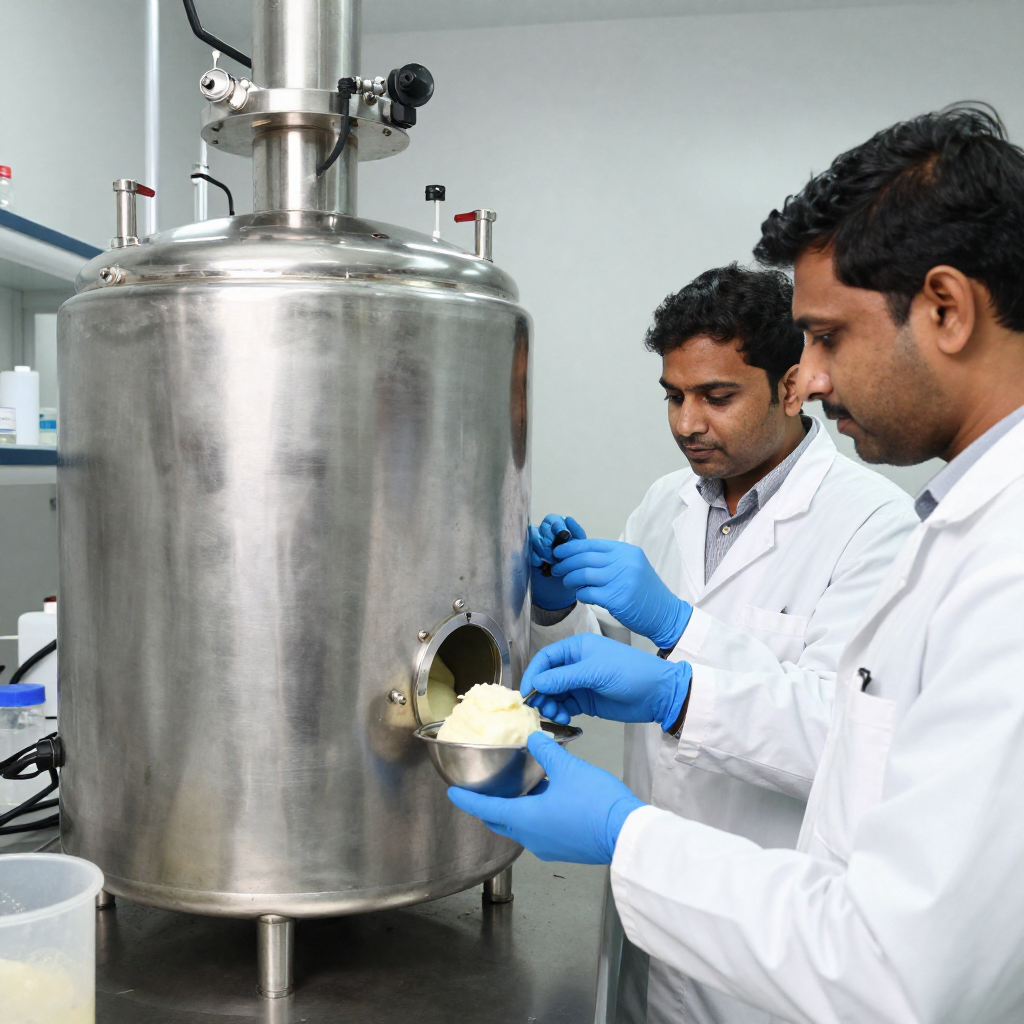
To understand precision fermentation, think of it as "brewing" fat rather than extracting it from an animal. While traditional fermentation gives curd or idli batter using live bacteria, precision fermentation uses cellular factories. Scientists take the genetic blueprint of milk fat (bovine DNA) and insert it into microorganisms like yeast or fungi. These microbes are then fed simple sugars in large stainless-steel tanks. As they ferment, they follow the genetic instructions to produce specific lipid molecules like oleic acid or palmitic acid that are molecularly identical to those found in cow's milk or buffalo butter.
The result is a fat that behaves, melts, and tastes exactly like dairy fat but is created without a single cow involved.
Are They Healthier Than Traditional Dairy Fat?
The primary concern for the Indian consumer is often cholesterol and saturated fat. Traditional dairy fat, particularly from buffalo milk, is high in saturated fatty acids, which, when consumed in excess, are linked to cardiovascular (heart) issues.
1. Tailored Nutritional Profiles
The "precision" in the name is key. Unlike a cow, whose milk composition changes based on fodder and season, fermentation allows scientists to tweak the output. They can now produce fats that are:
- Lower in saturated fats that can be replaced with heart-healthy monounsaturated fats (MUFAs).
- Cholesterol-free, as the fat is microbial in origin, it doesn't contain the dietary cholesterol found in animal tissues.
- Free from trans fats that are often a byproduct of the industrial processing of cheaper vegetable oils used in Indian snacks.
2. Eliminating Hormones And Antibiotics
A significant concern in Indian dairy farming is the traces of oxytocin and antibiotics found in milk. Precision fermentation occurs in a sterile, controlled environment, ensuring the final lipid is free from these contaminants.
Also Read: Not All Dairy Is the Same: Nutritionist Breaks Down Key Differences
Tackling The Metabolic Syndrome
India is often called the 'Diabetes Capital of the World'. A study by the Indian Council of Medical Research (ICMR-INDIAB) highlighted that a staggering percentage of the Indian population suffers from dyslipidaemia (unhealthy cholesterol levels).
Precision-fermented fats offer a unique solution for the Indian palate. Since people cannot easily give up the mouthfeel of fats in cooking, these bioidentical fats provide the same satisfaction without triggering the same inflammatory response. For a population genetically predisposed to the South Asian phenotype (higher body fat and lower muscle mass), as per the Frontier in Nutrition journal shifting toward engineered healthy fats could be a game-changer in managing metabolic health.
Beyond The Gut: Digestive Benefits
One of the biggest hurdles for Indians consuming dairy is lactose intolerance. Research in the Gastroenterology journal suggests that nearly 60% of South Asians struggle to digest dairy to some degree. Traditional fats like butter contain trace amounts of lactose and whey proteins (like A1 beta-casein), which can cause bloating and gut inflammation. Precision-fermented fats are naturally lactose-free and vegan-friendly, making them an ideal alternative for those with sensitive guts who still crave the taste of traditional dairy.
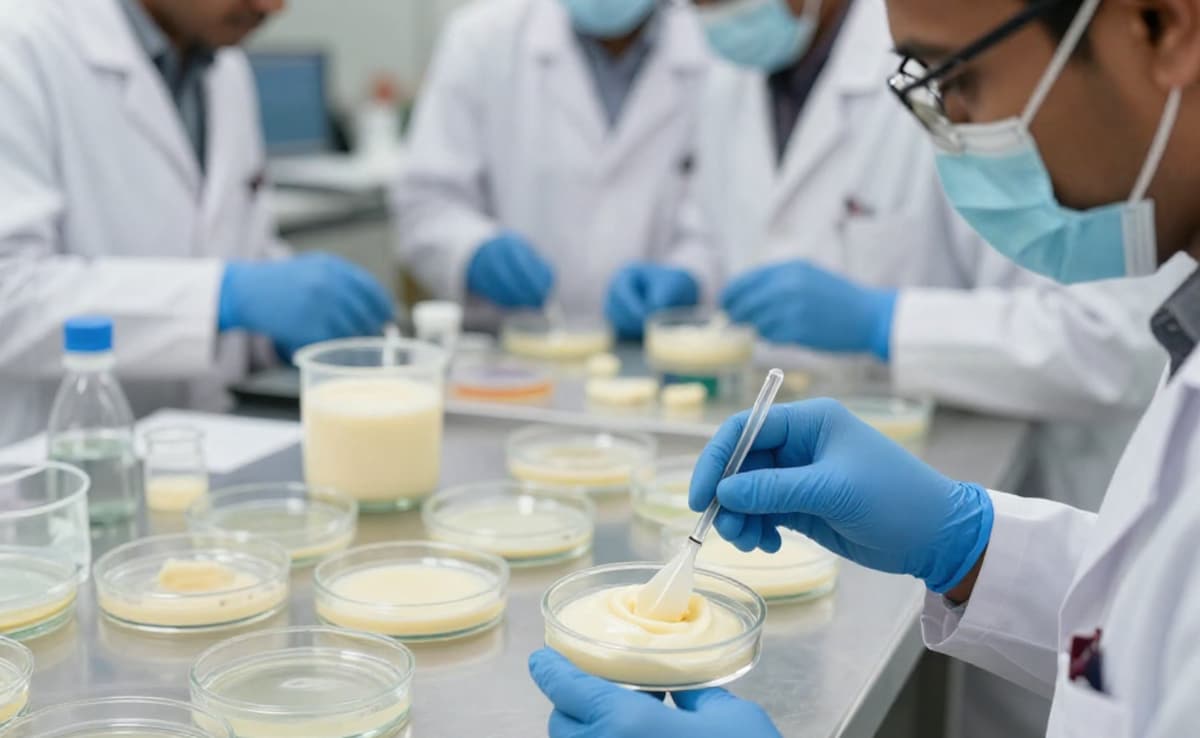
Precision fermented fats being researched in a food lab
Photo Credit: A.I generated image
The Sustainability Factor: A Greener Ghee?
India is the world's largest milk producer, but the environmental cost is steep. Livestock farming contributes significantly to methane emissions and water scarcity.
According to Indian environmental tech study in the Journal of Pure and Applied Microbiology, precision fermentation has the following uses:
- 90% less land than traditional dairy farming.
- 80% less water, a critical factor for India's drought-prone agricultural belts.
- Significantly lower carbon footprint, aligning with India's net-zero goals.
Also Read: Cow Milk Vs Buffalo Milk: Which One Has More Protein?
Are There Any Risks?
As with any novel food technology, being cautious is natural. While the molecules are identical to nature, the long-term impact of a diet heavy in fermented lipids is still being studied by global food safety authorities like FSSAI ( Food Safety and Standards Act) in India.
The main challenge currently is bioequivalence. While the fat is the same, traditional ghee contains fat-soluble vitamins (A, D, E, and K) and conjugated linoleic acid (CLA), which has anti-inflammatory properties. Fermented fats must be fortified to match this nutritional density.
Precision-fermented fats are not just a 'vegan trend'; they are a technological necessity for a country balancing a love for rich food with a rising burden of heart disease. By merging the fermentation process, a practice deep-rooted in Indian culture, with modern genetics, this invention is entering an era where the tadka can be both delicious and heart-healthy.
As these products begin to hit Indian shelves in the coming years, they offer a promise: you can have your buttered toast and eat it too without the heartbreak.
Disclaimer: This content, including advice, provides generic information only. It is in no way a substitute for a qualified medical opinion. Always consult a specialist or your own doctor for more information. NDTV does not claim responsibility for this information.