

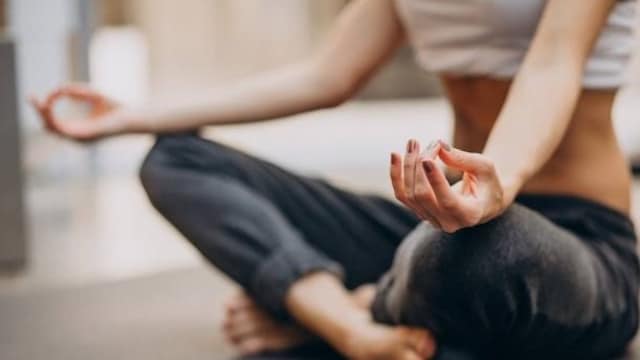
Polycystic Ovarian Syndrome (PCOS) is a common hormonal disorder found in women of childbearing age. Traditionally, PCOS was described as a condition of the ovaries, causing irregular periods, ovarian cysts, acne and hair growth on the face and body. However, today it is recognized as a complex, systemic metabolic and hormonal disorder.
A key feature of PCOS is insulin resistance, which means that the body's cells do not respond as they should to the hormone insulin. As a result, the pancreas has to produce more insulin in order to try and regulate blood sugar levels. This increased level of insulin can stimulate the ovaries to produce more androgens, leading to a host of other symptoms including irregular periods, weight gain particularly around the abdomen, and increased risks of developing type 2 diabetes, heart disease and other metabolic health problems.
Understanding Hormonal Balance Through Yoga
Women's health and the reproductive system are traditionally managed through the understanding of the body, breath and mind of the individual woman. The Ida Nadi, also known as the Chandra or Moon channel, represents the cooling, receptive, restoring energy of the body and is associated with the calming processes of the body, and the subtle energy system that supports the health of the reproductive system.
While modern medicine views the body's hormonal rhythms through the lens of the endocrine system and the body's metabolism, yoga approaches women's reproductive health through the body, breath and mind.
READ | Shilpa Shetty Performs Ushtrasana: Try This Yoga Pose To Relieve Muscle Stiffness
Movement, Insulin Sensitivity and Siddhaa Practices
The use of movement in managing PCOS can be beneficial for the physical health of women with the condition, particularly with regard to improving insulin sensitivity and other metabolic parameters. Yoga postures that focus on large muscle groups can be practiced in conjunction with regular exercise to improve physical strength and flexibility as well as overall physical health.
In addition to physical activity for PCOS, some of the specific yoga postures that can be beneficial for women with PCOS are those that are practiced in Surya Namaskar, the Chair Pose (Utkatasana), the Bridge Pose (Setu Bandhasana) and the Triangle Pose (Trikonasana). A healthy weight can also be very beneficial for women with PCOS in terms of improving their metabolic health, in addition to bringing their menstrual cycles back to normal and restoring hormonal balance.
The Siddha Walk is another specific practice that is used in the management of PCOS. This is a structured walking practice that can be used to activate the leg muscles, improve circulation, enhance glucose uptake by cells, and improve cardiovascular fitness. The increased circulation of blood that is achieved through the practice of the Siddhaa Walk can help to improve the movement of Prana (vital energy) throughout the body, helping to bring balance and vitality to the entire system.
READ | Taking Supplements For PCOS? Nutritionist Explains Why You Should Check Your Symptoms First
Restoring the Body's Natural Biological Rhythm
Sleep and waking are also involved in hormonal regulation. The hypothalamus, a part of the brain, is involved in many hormonal processes and interacts with the pituitary gland. It also regulates the body's circadian rhythm, which controls the body's sleep-wake cycle and other metabolic processes as well as the endocrine system.
Consistent sleeping and waking times, as well as natural light in the morning, regular physical activity and reduced screen time before bed are all important in supporting the circadian rhythm of the body. Thus, managing PCOS can be supported by a disciplined daily routine.
READ | 6 Standing Yoga Poses For Back Pain
Simple Yogic Practices for Everyday Wellness
Yoni Mudra, Chandra Bhedi and Surya Bhedi Pranayama are simple practices that can be integrated into the daily routine of women with PCOS. These practices promote inward awareness and calm, and can be practiced gently, preferably under the guidance of a yoga teacher.
By combining movement, breath, sleep and other simple practices for everyday wellness with healthy eating, medical guidance and sustainable lifestyle changes, Yoga can form part of a woman's journey to better metabolic health and hormonal wellness.
Disclaimer: The opinions expressed within this article are the personal opinions of the author. NDTV is not responsible for the accuracy, completeness, suitability, or validity of any information on this article. All information is provided on an as-is basis. The information, facts or opinions appearing in the article do not reflect the views of NDTV and NDTV does not assume any responsibility or liability for the same.