

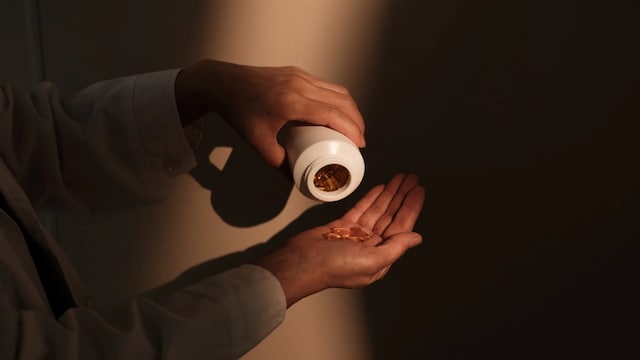
Polycystic Ovary Syndrome (PCOS) does not affect every woman in the same way. While some women struggle with irregular periods, others experience weight gain, acne, hair loss or other health problems. This is why taking the same supplements might not give the correct results.
Before adding any supplements, it is important to understand what your body needs. Nutritionist Anjali Mukerjee shared a simple supplement guide that women with PCOS will need.
On Instagram, the health expert shared that Inositol has better insulin control, regular periods and ovulation. Magnesium can help with sleep, stress, PMS symptoms and constipation. Omega 3 can support the body by managing inflammation and blood fat levels.
Vitamin D can be useful for women who have low levels, as it also plays a role in mood, fertility and insulin function. Anjali Mukerjee shared that the amount of vitamin D depends on blood test results.
NAC helps with insulin resistance, ovulation and cell damage. Berberine supports blood sugar control and manages insulin resistance. Zinc is suitable for acne, hair loss, skin healing and immunity.
These supplements should not be taken without medical advice, as the right choice and dose depend on each woman's health needs.
Anjali Mukerjee explains that women with PCOS do not need to take every available supplement. The right ones should be chosen based on their symptoms, eating habits, daily routine and blood test results. She also says that supplements won't manage PCOS alone. Eating healthy food, staying active, sleeping properly and keeping stress under control are also important.
Earlier, the nutritionist had explained why losing weight can be difficult for women with PCOS. She said that this condition causes hormonal changes, which lead to insulin resistance and make it harder for the body to control blood sugar and manage weight.
To help lose weight, she suggests eating foods with a low glycemic index to keep blood sugar steady. She also recommends myo-inositol and D-chiro-inositol supplements for managing high androgen levels.
Women with PCOS should not consume packaged snacks, cold drinks and cakes and should choose fresh, healthy meals. Adding more protein and fibre keeps the stomach full. Eating slowly and controlling food portions prevents overeating.
Also Read: The 4 Types Of PCOS And Their Symptoms Explained
Disclaimer: This content including advice provides generic information only. It is in no way a substitute for a qualified medical opinion. Always consult a specialist or your own doctor for more information. NDTV does not claim responsibility for this information.