

)
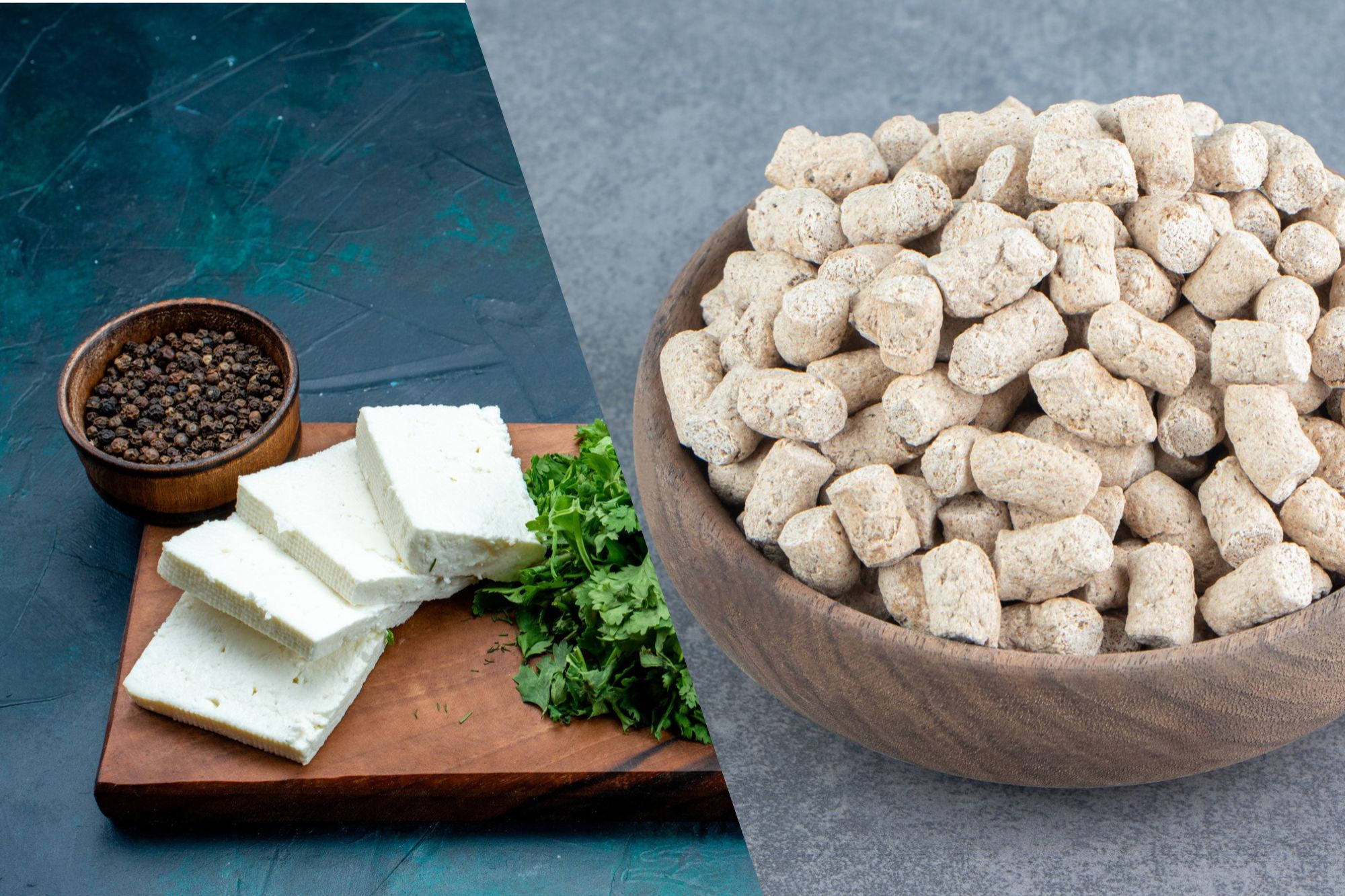
Paneer and soya chunks are popular choices in Indian diets, but their protein levels vary. One is sourced from dairy, while the other is plant-based, which are absorbed in the body at different rates. The main reason why these food items are mostly consumed is their ability to provide high protein content. The Indian Council of Medical Research (ICMR) has highlighted that 73% of Indians are protein-deficient, including 85% of non-vegetarians who fall short of their daily recommended intake. Alongside this glaring protein deficiency crisis, India faces the issue of child wasting, impacting 18.7% under the age of 5, with rising rates of urban obesity and protein deficiency simultaneously. This is why people need to know how much protein they may be getting from their daily plate of paneer or soya chunks ki sabzi on a daily basis. This will help them figure out how much more protein is needed by their bodies to function at their best.
Nutritional Breakdown Of Paneer And Soya Chunks
The ICMR and National Institute of Nutrition (NIN) have set benchmarks for the Indian population depending on their age, lifestyle, and physical activity levels. When people are eating either paneer or soya chunks on their plate, the portion should be decided based on their protein density. The exact requirements can only be recommended by a nutritionist or dietician. As expertise is required to supplement protein correctly, as too much or too little can cause side-effects on the way your body functions. The specific nutritional figures for each of these foods are as follows:
Nutritional Profile Of Paneer
Paneer's nutritional profile can vary depending on the quality of the milk used to produce it, possible microbial contamination, and its storage conditions.
- Protein per 100g (approx. 18g) whose absorption rate differs depending on the ability to process it.
- Rich in calcium, fat, and vitamin B12, which is beneficial for individuals who seek to balance their nutrient intake.
- It plays a major role in vegetarian diets, as most people need to get their fill of protein daily, and the flavour of the item helps make it easier.
Nutritional Profile Of Soya Chunks
Soya chunks are processed, and their varieties offer different levels of nutrition when eaten. Commercially prepared soya chunks use defatted soy flour, but their impact on hypersensitive adults is questionable, as they can cause stomach upset if they are not prepared properly.
- Protein per 100g (approx. 52g when dry, 26g when hydrated)
- It is low in fat, high in fibre, and cholesterol-free, which makes it ideal for people who are seeking a meaty texture from a plant-based source.
Also Read: World Protein Day 2026: How Much Protein Do You Need As You Age?
Protein Comparison: Paneer vs Soya Chunks
When the exact protein levels are looked at for both paneer and soya chunks, then their digestibility factor matters. The exact types of amino acids that are present in both food sources also impact how nutritious the food sources are for you. Here is what matters for this choice:
- The main distinctive factor between paneer and soya chunks is where they are sourced and how they are prepared.
- The recent reports of widespread milk adulteration and fake paneer seized from Andhra Pradesh and Ghaziabad, respectively, signal the need to inspect the source of what is on your plate.
- Paneer offers complete protein from an animal source, while soya chunks offer plant protein but high-quality protein, provided its quality of soy is good.
Health Benefits And Considerations To Take With Paneer And Soya Chunks
Paneer has various health benefits that can be extracted carefully by implementing careful preparation methods. The most common mistake that people tend to make with paneer consumption is preparing it and not inspecting its quality and freshness before consumption.
- Paneer is great for bone health, as it provides ample amounts of calcium, as mentioned in the International Journal of Science and Research Archive.
- As per the Journal of Dairy Science, paneer helps with gut regulation when consumed in moderation and promotes the feeling of fullness upon consumption.
- According to the Applied Food Research journal, the fat content of paneer depends on the milk quality and its protein level.
- Soya chunks are heart-friendly when consumed in moderation, but cause side effects when eaten in excess.
- The American Heart Association (AHA) directly supports the notion that soy protein, as part of a diet low in saturated fat and cholesterol, may reduce the risk of heart disease.
- According to the Molecular Nutrition and Food Research, it mentions weight management, but may cause bloating in excess.
Also Read: Makhana vs Roasted Chana: Which Is Healthier And Better For Weight Loss?
Which Should You Choose?
To effectively choose between paneer and soya chunks, you need to look at their intended purpose. If you are looking to consume paneer and soya chunks for special reasons, then this can help you:
- For muscle building, you can consume soya chunks, as they have higher protein density, but looking at the label matters to assess the exact protein level.
- For balanced nutrition, you can consume both paneer, which has ample protein and calcium along with vitamin B12, and soya chunks, but consulting a nutritionist is necessary.
- People tend to get bored with what is on their plate, so consuming a variety can be beneficial. But you need to consult a nutritionist or dietician who can look at your whole diet, exercise regimen, and the ability of your body to process protein effectively.
Paneer and soya chunks both have unique advantages that need to be extracted by careful preparation methods. The choice between the two depends on your individual dietary goals; you need to consider protein density and balanced nutritional intake.
Disclaimer: This content, including advice, provides generic information only. It is in no way a substitute for a qualified medical opinion. Always consult a specialist or your own doctor for more information. NDTV does not claim responsibility for this information.