

)
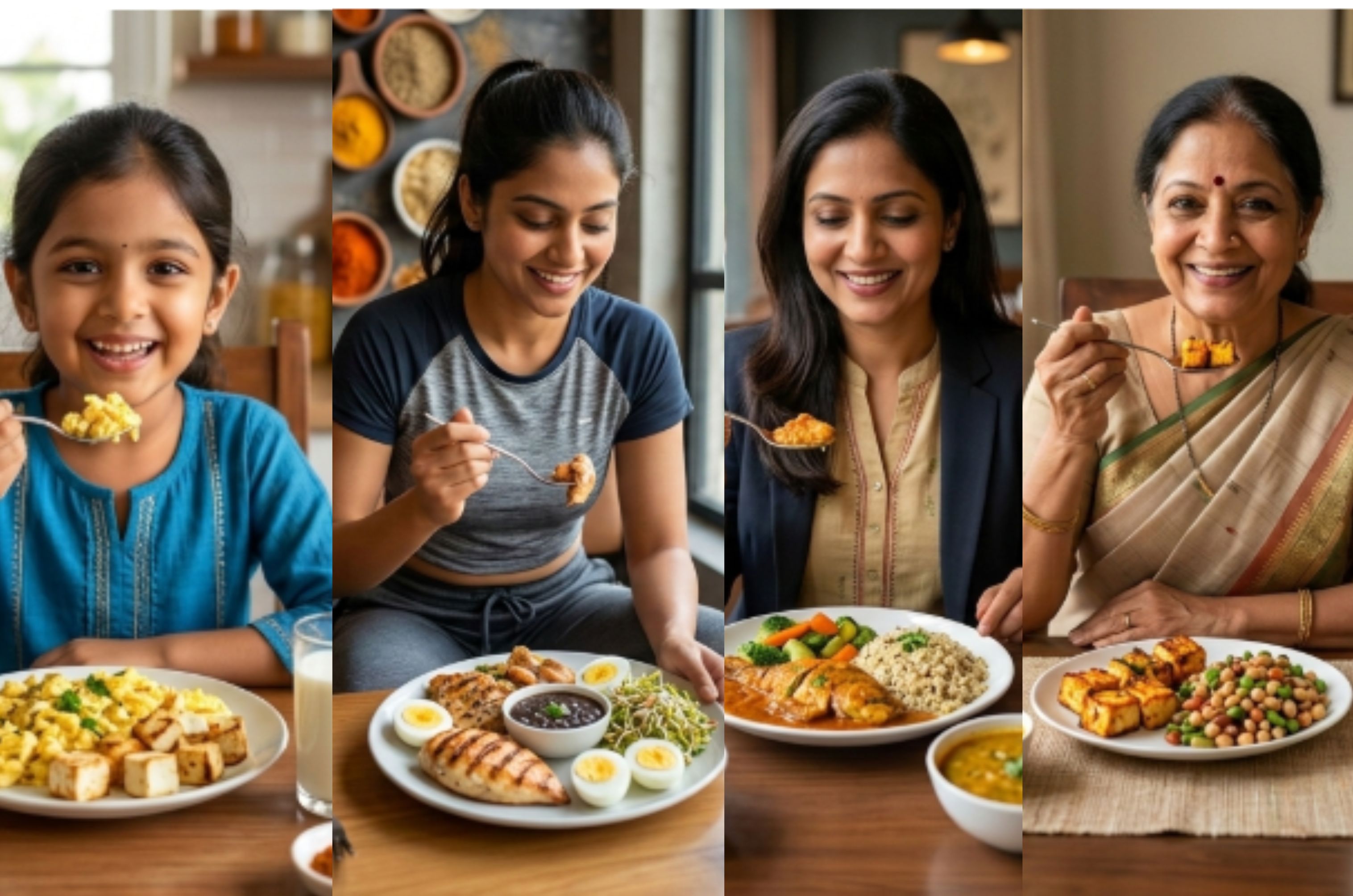
In the rhythm of many Indian households, the transition into the senior years is often marked by a distinct shift in the kitchen. Heavy parathas are replaced with lighter khichdi, and spicy curries are traded for simple, watery dals. A persistent myth exists that as the body slows down, it requires less food. There is a common assumption that since an individual is no longer building muscle like a 20-year-old at the gym, they can thrive on a light tea-and-toast diet and not keep up with protein intakes. This World Protein Day, it's time to break that myth.
According to the British Journal of Nutrition highlights that human body ages, it actually becomes less efficient at processing protein. This phenomenon researchers is called "anabolic resistance" where to maintain the same muscle mass that kept a person agile in their 40s, a 60-year-old may actually require more daily protein, not less. And failing to hit these nutritional goals does not just result in a loss of bulk; it leads to a loss of independence, balance, and physical mobility.
The Sarcopenia Crisis: India's Silent Epidemic
For many ageing Indians, the primary threat is not just heart disease or diabetes but sarcopenia, the progressive loss of skeletal muscle mass and function. According to 2025 cross-sectional studies from Journal of Mid-life Health, the prevalence of sarcopenia reaches as high as 14.8% in rural areas and nearly 7% in urban centres.
This tragedy hits men and women in India much earlier than their Western counterparts, often beginning in the late 40s. When muscle disappears, frailty moves in. An individual finds it harder to rise from a low chair, their gait slows, and the risk of a fall, which is the leading cause of injury in the elderly, skyrockets fast. The Indian Council of Medical Research (ICMR) has highlighted that inadequate protein intake is a primary driver of this muscle wasting, yet a staggering 80% of Indian households consume less than the recommended amount.
Cracking The Code: How Much is Enough?
While the general adult RDA (Recommended Dietary Allowance) sits at about 0.8g to 1g of protein per kilogram of body weight, the ICMR-NIN 2024 revised guidelines and global ageing research suggest a higher tier for seniors to prevent disability.
- Healthy Seniors: Individuals should aim for 1.0 to 1.2 grams of protein per kg of body weight.
- Seniors with Chronic Illness: For those recovering from surgery or managing a chronic condition, the needs jump to 1.2 to 1.5 grams.
- The Calculation: If a person weighs 60 kg, the target should be roughly 60 g to 72 g of protein daily.
Also Read: Paneer Vs. Tofu: Which Is A Richer Source Of Protein?
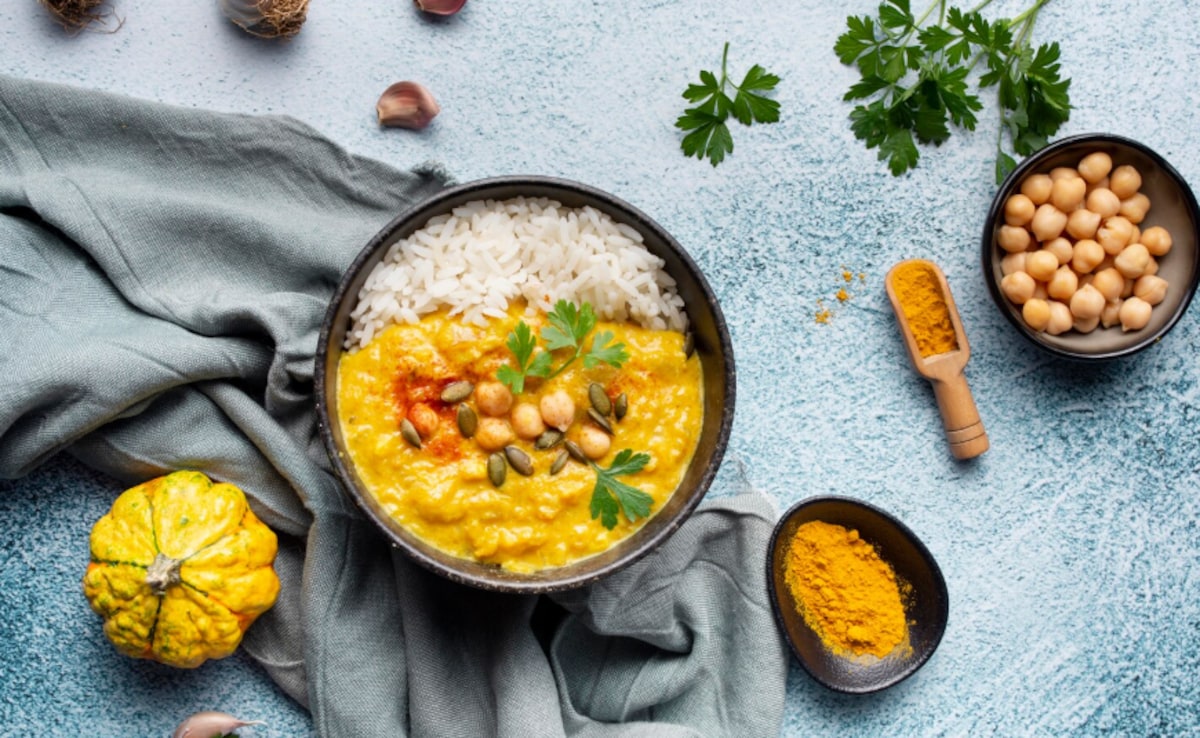
Dal chawal
Photo Credit: Freepik
The Quality Trap: Beyond 'Dal-Chawal'
The traditional Indian diet faces a significant hurdle: it is cereal-heavy (rice and roti). While dal is a staple, it is often diluted, and cereals provide 60-75% of total protein, which is of "lower biological value" because it lacks certain essential amino acids like leucine.
As per a review published in the National Library of Medicine, leucine acts as the "on switch" for muscle synthesis. To trigger it, high-quality sources are necessary. The ICMR-NIN suggests a 3:1 ratio of cereals to pulses to improve protein quality for vegetarians. For the elderly, adding high-value triggers is essential:
- Dairy: A cup of thick curd (dahi) or approximately 50g of paneer.
- Eggs: Often considered the gold standard for protein absorption.
- Lean Meats: Fish or skinless chicken for non-vegetarians.
- Soy and Sprouts: Excellent plant-based triggers for muscle repair.
Timing: The 'Distribution' Rule
Most people consume a tiny amount of protein at breakfast (perhaps a glass of milk) and a heavy protein load at dinner. Research shows this is ineffective for ageing well. The body can only process about 25-30 g of protein in one sitting to effectively stimulate muscle growth.
Instead of a protein-heavy dinner, the intake must be spread out: 20g at breakfast, 20g at lunch, and 20g at dinner. This keeps the muscle-building machinery running consistently throughout the day.
Also Read: Cow Milk Vs Buffalo Milk: Which One Has More Protein?
Why It Matters: The ICMR Perspective
The ICMR-NIN's 2024 guidelines emphasise that nutrition in old age is not just about survival; it is about holistic wellness. With India's elderly population expected to reach 20% by 2050 as per the Lancet, preventing frailty is a national health priority. ICMR research indicates that the treatment gap for nutritional deficiencies in the elderly is massive; it is a conversation that is rarely had in the domestic sphere.
In a culture where pride is taken in eating light during old age, one must realise that muscle is metabolic currency. It regulates blood sugar, supports bone density (preventing osteoporosis), and keeps the immune system sharp.
You should not let your golden years be defined by weakness. Take a look at your plate today. If the meal is predominantly white (rice, bread, sugar), it is time to add density and strength. A future self where the one who still wants to climb stairs and play with grandchildren will depend on the protein choices made today.
Disclaimer: This content, including advice, provides generic information only. It is in no way a substitute for a qualified medical opinion. Always consult a specialist or your own doctor for more information. NDTV does not claim responsibility for this information.