

)
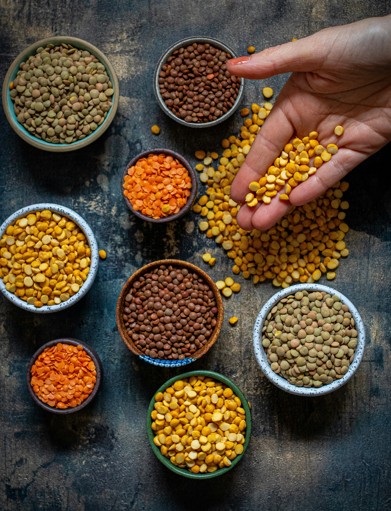
Vegetarian proteins are generally harder to digest compared to animal proteins. They are rich in fibre, complex structures and compounds like phytates that can slow down digestion. For some, their consumption can cause stomach problems, but the solution is fairly simple. Nutritionist Nmami Agarwal recommends soaking legumes like beans, lentils, and chickpeas for several hours or overnight before cooking
In a post shared on Instagram, she writes, "There is a common misconception that vegetarian proteins can cause indigestion, but the issue often lies in insufficient soaking of certain plant-based proteins rather than the proteins themselves. Legumes, such as beans, lentils, and chickpeas, contain compounds known as phytates and enzyme inhibitors that can hinder digestion."
Soaking legumes before cooking helps neutralise the compounds that cause digestive issues. When you soak them, it allows water to penetrate the beans, activating enzymes that break down phytates. Properly soaked legumes not only improve digestibility but also enhance nutrient absorption. "It's not the vegetarian proteins themselves that cause indigestion, but rather the lack of proper soaking that may lead to digestive discomfort," she concludes.
In her previous Instagram post, Nmami Agarwal explained why you should add sesame seeds to your daily diet. She claimed, “Sesame seeds are packed with essential nutrients, including calcium, iron, magnesium, and antioxidants. These nutrients are crucial for maintaining overall health, from supporting energy levels to boosting the immune system.”
Sesame seeds are an excellent source of calcium. As you age, your body needs more calcium for bone strength and density. The seeds are also good for brain health. They protect brain cells and support cognitive function. Sesame seeds have a positive impact on heart health as well. They help lower blood pressure and manage cholesterol levels.
"Incorporating sesame seeds into your meals can provide significant benefits for your bones, brain, and overall health," she concluded.
Disclaimer: This content including advice provides generic information only. It is in no way a substitute for a qualified medical opinion. Always consult a specialist or your own doctor for more information. NDTV does not claim responsibility for this information.