

)
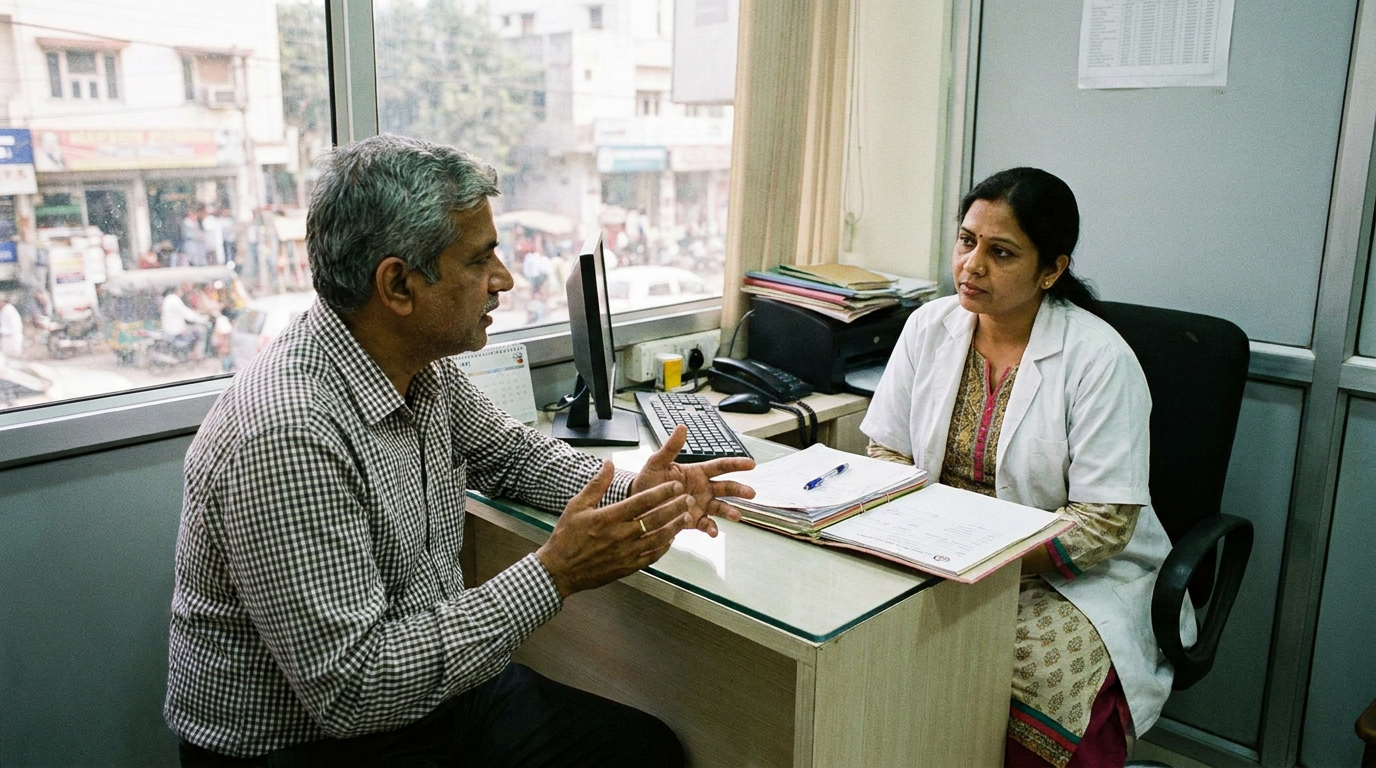
A new study has found that men are more likely than women to be diagnosed with cancer after it has already spread beyond its original site. When cancer is detected at a later stage, it makes treatment more difficult and it may also reduce the chances of complete recovery. The researchers of the study highlight that there's a gap in cancer diagnosis and that men may not be getting diagnosed as early as women for many common cancers. The study was published in Cancer Epidemiology, Biomarkers & Prevention, a journal of the American Association for Cancer Research (AACR).
Researchers believe this difference may be linked to several factors, including lower participation in routine health check-ups, delayed medical visits after symptoms appear, and differences in screening opportunities. It is important to note that the study does not suggest that men are biologically destined to develop advanced cancer. Instead, it points to the need for better awareness, earlier diagnosis, and improved access to healthcare so that cancers can be detected and treated sooner.
Beth Maclin, PhD, MPH, a postdoctoral fellow in the Division of Cancer Epidemiology and Genetics at the National Cancer Institute (NCI) and lead author, said, "We know that, overall, males are more likely than females to die from many types of cancer. We also know that cancer stage at diagnosis is a key predictor of cancer survival."
Beth added, "It is important to better understand how stage may differ between sexes as a way to explain sex differences in cancer mortality and to identify potential intervention points to improve cancer survival for everyone."
What Did The Study Find?
The research analysed cancer cases in the United States between 2015 and 2022. It focused on 20 non-reproductive solid cancers and compared the stage at which men and women were diagnosed. The results showed that men were significantly more likely to receive a diagnosis when cancer had already reached the regional stage, where it has spread to nearby tissues or lymph nodes, or the distant stage, where it has spread to other parts of the body.
For 16 cancer types, men had higher chances of being diagnosed at the regional stage than women. For 17 cancer types, they were also more likely to receive a diagnosis after the cancer had spread to distant organs. These findings suggest that delayed diagnosis is an issue rather than one linked to only a few cancers.
Which Cancers Showed The Biggest Differences?
Some cancers showed much larger differences between men and women than others. Men were 151% more likely to be diagnosed with regional tongue cancer and 93% more likely to receive a regional diagnosis for salivary gland cancer. Higher rates were also seen for cancers of the oropharynx, thyroid and stomach.
When researchers looked at cancers that had spread to distant organs, the largest differences were seen in tongue cancer, thyroid cancer, salivary gland cancer, stomach cancer and melanoma. For example, men had 134% greater odds of being diagnosed with distant-stage tongue cancer and 128% greater odds of distant-stage thyroid cancer compared with women.
Why Men Might Be Diagnosed Later?
While the study did not spot a single reason for these differences, researchers believe that there are several factors that may contribute. Many men are less likely to visit a doctor regularly or seek medical advice when symptoms first appear. This can allow cancers to grow unnoticed for longer. Some warning signs may also be ignored or mistaken for less serious health problems.
Screening programmes may also play a role. Women often have more regular contact with healthcare providers through preventive services, increasing the chances of detecting health problems earlier. In addition, social attitudes, work commitments and limited awareness about cancer symptoms may delay medical care among men. Researchers say understanding these factors is important for improving early diagnosis.
"There are a variety of possible explanations for why we found sex differences among most cancer sites we studied. One explanation could be differences in cancer screening uptake for sites that can be detected through screening. It is also possible that there are differences in health care-seeking behaviors; existing research shows that women go to the doctor more than men, which could mean more opportunities for clinicians to catch cancer symptoms earlier, thus leading more women to get diagnosed at the localized stage instead of regional or distant stages," Maclin said. "There is also the possibility that the way clinicians perceive cancer symptoms in males and females differ, leading to different types of diagnostic tests or treatment plans, which can either hasten or delay cancer diagnosis."
Were There Any Exceptions?
The researchers found that not every cancer followed the same pattern. Men were less likely than women to receive later-stage diagnoses for a few cancers, including bladder and laryngeal cancers. Men also had lower odds of distant-stage bladder, anal and liver cancers in comparison with women.
Why Early Detection Matters
Detecting cancer early usually gives patients more treatment options and improves the chances of successful treatment. Regular health check-ups, paying attention to unusual symptoms and seeking medical advice without delay can help detect cancer before it spreads.
Disclaimer: This content including advice provides generic information only. It is in no way a substitute for a qualified medical opinion. Always consult a specialist or your own doctor for more information. NDTV does not claim responsibility for this information.