

)
Most people are familiar with cancers such as breast, lung, or blood cancer, however, there are very few who have heard of sarcoma. This lack of awareness often means that people do not recognise the warning signs or understand how this type of cancer differs from others. According to Dr Anindya Mukherjee, Senior Consultant, Medical Oncology, ShardaCare - HealthCity, many patients first learn about sarcoma only after they are diagnosed. This makes awareness one of the biggest challenges in detecting the condition early.
Sarcoma is a rare cancer that develops in the body's bones or soft tissues, including muscles, fat, tendons, blood vessels, and other connective tissues. Unlike cancers that start in organs, sarcomas affect the structures that support the body. Although treatment options such as surgery, chemotherapy, radiotherapy, targeted therapy, and immunotherapy may be similar to those used for other cancers, sarcoma behaves differently. Understanding the facts can help people seek timely medical attention and avoid unnecessary fear.
Sarcoma Is Not The Same As Other Cancers
One of the biggest misconceptions is that all cancers are the same. Dr Mukherjee explains that an easy way to understand the difference is to imagine the body as a house. While common cancers affect the "walls and rooms" of the house, such as the breast, lung, or stomach, sarcomas affect the "framework" that holds everything together, including bones, muscles, fat, and connective tissues.
Because sarcomas arise from different tissues, they behave differently from other cancers. There are many subtypes of sarcoma, and each one has its own pattern of growth and response to treatment. This is why every patient's treatment plan must be tailored.
A Lump Should Never Be Ignored
Many people assume that a lump is simply a muscle knot, a sports injury, or a harmless fatty swelling. As a result, they delay seeking medical advice for weeks or even months. Unfortunately, this delay can allow the disease to progress.
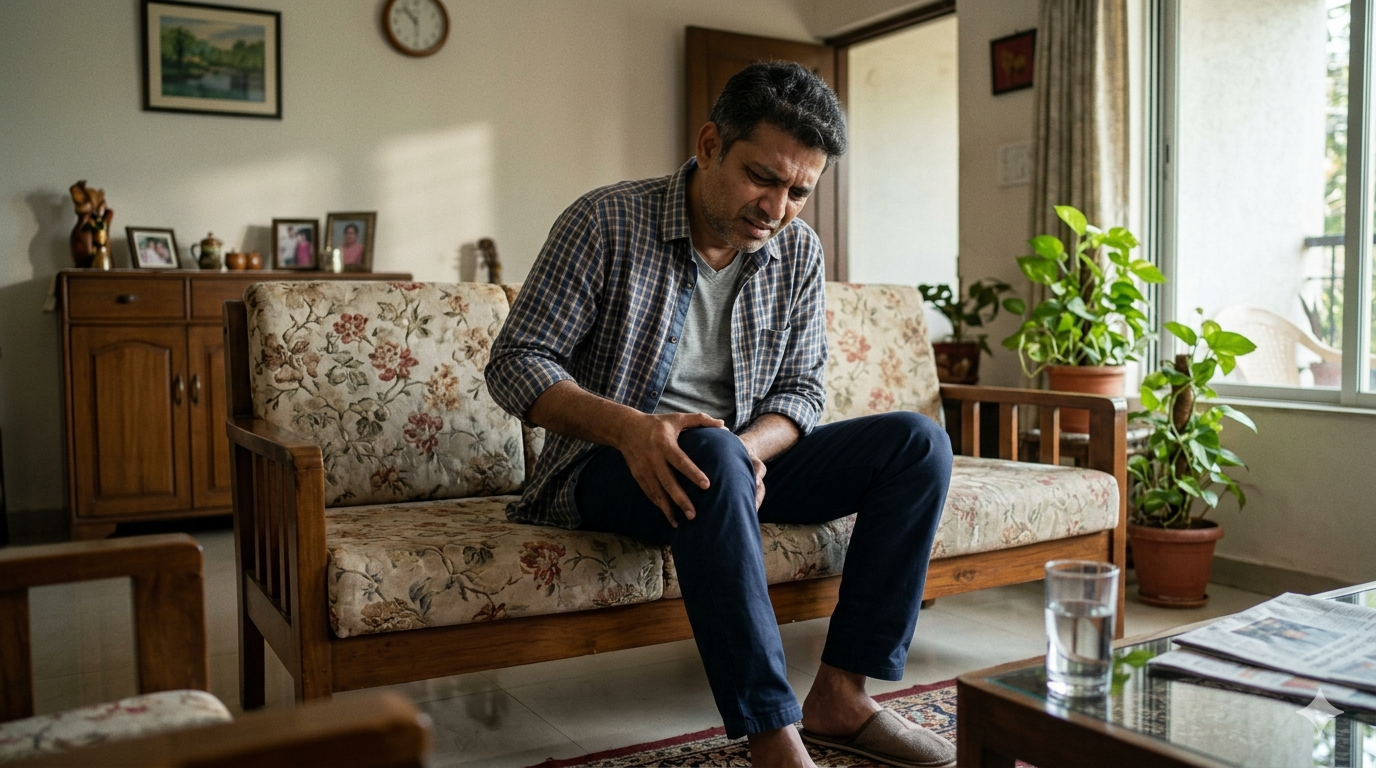
A lump or swelling that gradually becomes painful or starts interfering with daily activities should always be evaluated by a doctor. Dr Mukherjee advises that any lump lasting for more than three weeks should not be ignored. Early diagnosis gives doctors a better chance to treat the disease effectively and improve outcomes.
Every Sarcoma Needs Individualised Treatment
Another common myth is that there is one standard treatment for all sarcomas. In reality, sarcoma is not a single disease but a large group of cancers with different characteristics.
Doctors consider several factors before planning treatment, including the type of sarcoma, its size, location, stage, and the patient's overall health. Depending on these factors, treatment may include surgery, chemotherapy, radiotherapy, targeted therapy, immunotherapy, or a combination of these approaches. Personalised treatment helps achieve the best possible results for each patient. "Every decision - from surgery to chemotherapy, radiotherapy, targeted therapy, or newer precision treatment need to be individualised," said Dr Mukherjee.
Biopsy And Treatment Do Not Always Mean The Worst
Many patients worry that a biopsy can spread cancer or that a sarcoma affecting an arm or leg will automatically require amputation. These fears are largely based on outdated information.
Today, advances in cancer care have changed the way sarcoma is treated. A properly planned biopsy performed by experienced specialists is an important step in confirming the diagnosis and planning the right treatment. It does not cause cancer to spread in the way many people fear.
Similarly, modern surgical techniques often allow doctors to remove the tumour while preserving the affected limb. Better imaging, improved surgical methods, advanced radiotherapy, and newer medicines have significantly increased the chances of saving both the limb and its function in many patients.
A Diagnosis Is Not The End Of Hope
Perhaps the most harmful misconception is that sarcoma always has a poor outcome. While it is a serious disease that requires expert care, many patients respond well to treatment and go on to live active and fulfilling lives. Dr Mukherjee said, "As oncologists, we have the privilege of witnessing the opposite every day, patients returning to work, parents watching their children grow up, and young adults reclaiming lives they feared they had lost."
The key message is simple: awareness can save lives. Not every lump is cancer, but every persistent lump deserves medical attention. Recognising the warning signs, getting an accurate diagnosis, and receiving treatment at a centre experienced in sarcoma care can make a significant difference. "Sometimes, the biggest breakthrough is not a new drug, it is recognising the disease before it has a chance to change a life forever," said Dr Mukherjee.
Disclaimer: This content including advice provides generic information only. It is in no way a substitute for a qualified medical opinion. Always consult a specialist or your own doctor for more information. NDTV does not claim responsibility for this information.