

)
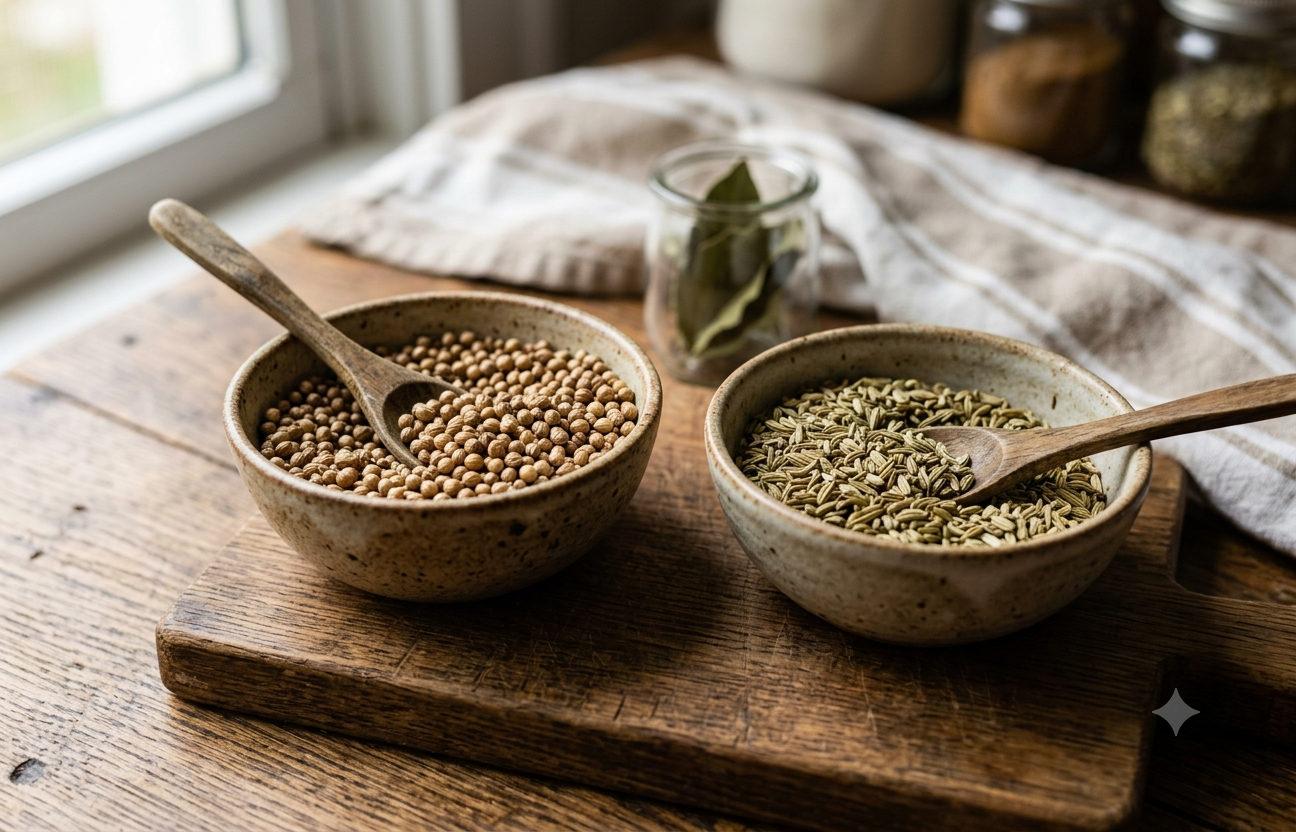
As a brutal, relentless heatwave grips major parts of northern and central India, managing the internal thermostat has shifted from a matter of comfort to a core medical necessity. While turning up the air conditioning provides temporary surface relief, true protection against heat exhaustion requires cooling the body from the inside out. Instead of overloading on sugary, iced drinks that shock your metabolic rate. The debate between two classic Indian pantry staples is taking centre stage: dhania seeds and saunf, or fennel. Both are celebrated in traditional medicine as powerful cooling body remedies for summer, but when it comes down to a direct comparison, which is better to keep your body cool? Medical research breaks down the science of how these tiny seeds reduce internal body heat and shield your organs from thermal distress.
How Coriander Seeds Offer Internal Cooling Benefits
Dhania seeds are commonly known as 'dhaniya' or coriander seeds, and they are far more than just a base for curries; they are a highly underrated natural pharmaceutical. Structurally, coriander seeds contain rich concentrations of volatile oils and active flavonoids, specifically quercetin and kaempferol. A prominent clinical study published in the Journal of Ethnopharmacology highlighted that coriander seed extracts possess deep anti-inflammatory and systemic cooling properties. When soaked in water, these seeds release water-soluble compounds that act as a gentle, natural diaphoretic and diuretic.
By stimulating the kidneys to flush out excess sodium and metabolic waste, coriander water helps the body dump latent tissue heat through urine.
Furthermore, a secondary study in Food Chemistry Journal established that the high antioxidant load in dhania stabilises cell membranes, preventing the skin rashes and systemic inflammatory breakouts that are triggered by extreme summer humidity.
Also Read: Can Consuming Dhania-Pudina Chutney Fix Your Gut In Summer? Science Says Yes
How Saunf (Fennel Seeds) Functions As A Digestive Soother
On the other side of the battle stands saunf, or fennel seeds, India's favourite post-meal mouth freshener. Fennel's cooling mechanism relies on an entirely different physiological path. Saunf is packed with an aromatic compound called 'anethole'.
According to a comprehensive research review published in Scientific Reports, anethole acts as a powerful smooth-muscle relaxant within the gastrointestinal tract. During hot weather, the body's digestive core often becomes sluggish or overheated, leading to acid reflux, flatulence, and painful stomach burning.
By stimulating the smooth secretion of gastric enzymes without generating excess metabolic heat, saunf effectively puts out the fire in an irritated gut.
Additionally, fennel contains crucial trace minerals like zinc, selenium, and calcium, which are vital for maintaining fluid balance when you are losing electrolytes through heavy sweating.
Expert Take: What Does A Doctor Say?
To settle the debate, NDTV Health reached out to Dr Archana Batra, a renowned Delhi-based dietitian, certified diabetes educator, and physiotherapist.
"When we compare dhania seeds vs saunf for summer management, we are looking at two distinct pathways of detoxification," explains Dr Batra.
'Saunf 'is your immediate answer to gut-based thermal distress. It cools the stomach lining, actively prevents acidity, and suppresses the immediate wave of summer nausea. On the other hand, the benefits of coriander water are systemic and fluid-driven.
Dhania clears the heat from your blood and urinary tract, making it the superior choice for individuals who suffer from burning micturition, heat-induced acne, or swollen feet during a heatwave."
"If you are asking how to lower body temperature naturally when the atmospheric heat peaks, you do not necessarily have to pick just one," she adds. "They complement each other beautifully when combined into a holistic Ayurvedic summer drink."
Also Read: Gastroenterologist Recommends Eating Fennel Seeds After Every Meal, Know Why
How To Prepare A Dhania Seed And Fennel Seed Drink Easily
To extract the maximum therapeutic value from these cooling spices without boiling away their delicate volatile oils, try these expert-approved preparation steps:
1. The Overnight Coriander Infusion
Take 1.5 tablespoons of whole, clean coriander seeds. Lightly crush them using a mortar and pestle to crack open the outer shell. Drop them into a glass jar filled with 300ml of room-temperature water. Cover and let it infuse overnight for 8 to 10 hours.
In the morning, strain the pale gold liquid and drink it on an empty stomach. It serves as the best morning drink to reduce body heat.
2. The Noon Saunf Sharbat
To discover how to stop stomach burning in hot weather, take 2 tablespoons of saunf and grind them into a fine powder along with a tiny piece of rock candy (mishri).
Mix this powder thoroughly into a glass of chilled, earthen-pot water. Add a squeeze of fresh lime and consume this refreshing beverage around 12 PM to protect your core from peak afternoon thermal stress.
The Verdict: Which Is Better?
Ultimately, the choice between dhania seeds vs saunf depends on your personal summer symptoms. If your primary struggle during hot weather involves indigestion, sour burps, and an irritated gut, Saunf is your ideal match. However, if your body responds to the heat with skin rashes, water retention, and systemic burning sensations, Dhania takes the crown. For an all-in-one defence, combining equal parts of both seeds in an overnight infusion provides the ultimate shield against the harshest summer months.
Disclaimer: This content including advice provides generic information only. It is in no way a substitute for a qualified medical opinion. Always consult a specialist or your own doctor for more information. NDTV does not claim responsibility for this information.