

)
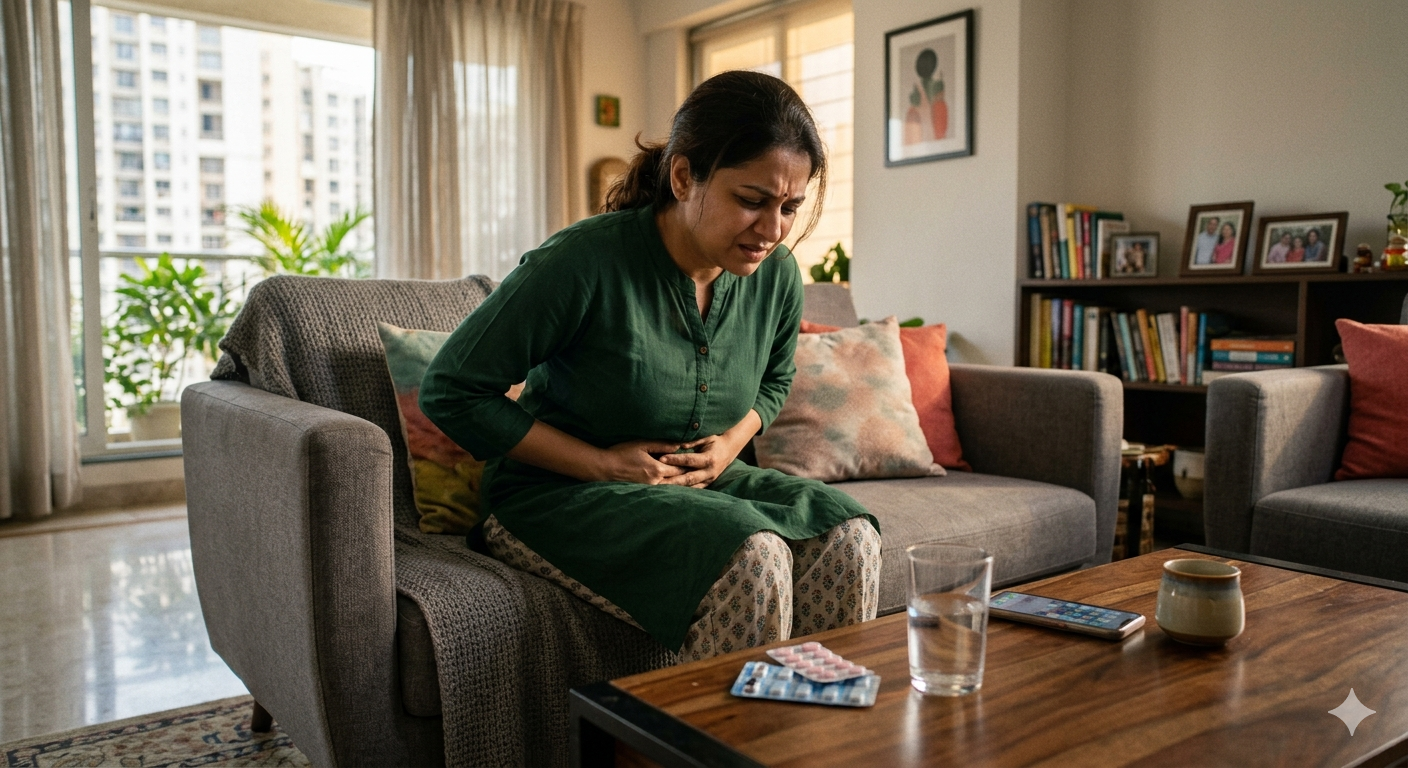
Stomach pain is one of the most common complaints people experience, and in many cases, it is blamed on acidity, indigestion, or dietary habits. However, when this discomfort continues for weeks or even months without relief, it may signal something more serious, like gall bladder cancer. A gall bladder cancer is a serious condition that starts from the inner lining/mucosa of the organ. While it is less common than other digestive cancers, it is often difficult to detect in its early stages. Many people experience mild abdominal discomfort for months, often ignoring it as routine indigestion or acidity. This constant discomfort is often felt as a dull ache or bloating that doesn't seem to go away with antacids or changes in diet. Because the symptoms are vague, the cancer is frequently missed until it has reached an advanced stage.
Why Gall Bladder Cancer Is Often Missed?
The delayed diagnosis of gall bladder cancer is mostly due to the organ's hidden placement. The gall bladder is a small pouch behind the liver, deep within the abdomen, making physical detection nearly impossible during routine exams unless grossly enlarged. Early symptoms such as stomach pain, indigestion, or nausea closely resemble non-cancerous conditions like gallstones or gastritis. Because these signs are not unique, the disease is often discovered incidentally.
What are the Common Symptoms?
Although early symptoms can be mild, certain warning signs should be immediately checked:
- Constant Abdominal Pain: The ache in the upper right side of the stomach is often mistaken for muscle strain or general indigestion.
- Frequent Bloating and Gas: Patients often dismiss constant bloating as a reaction to spicy food or a symptom of basic acidity rather than a serious blockage.
- Nausea and Loss of Appetite: A mild, recurring feeling of sickness or a sudden distaste for food is frequently blamed on minor stomach infections or seasonal flu.
- Unexplained Weight Loss: Losing weight without changes in diet is seen as a positive sign or is linked to stress rather than the body fighting a disease.
- Mild Fever: Fever that comes and goes is often treated as a common cold or fatigue, masking the underlying inflammation caused by the tumour.
How can it be diagnosed and treated?
When a stomach ache persists for a long time, the first step is usually a few basic blood tests to check on the liver. After that, an ultrasound of the belly is done to get a direct look at the gall bladder. If the results aren't clear enough, a CT or MRI scan can give a much clearer picture of what is happening inside. Once diagnosed or strongly suspected, a PET CT whole body is performed to stage/know the extent of the disease. Sometimes, a tiny piece of tissue is taken/biopsy is done to confirm the diagnosis. Often, the disease is diagnosed incidentally after a lap/open cholecystectomy done for gall bladder stones.
Once these tests show what is going on, the focus shifts to taking specific steps to deal with the growth/cancer. Gall bladder cancer treatment primarily involves surgical removal (cholecystectomy or radical resection) to remove the tumour, especially in early stages. If the cancer is advanced or cannot be removed, treatment involves a combination of chemotherapy, radiation therapy, and immunotherapy to manage the disease. Radical Cholecystectomy involves removing the gall bladder along with parts of the adjacent liver as a wedge and the locoregional lymph nodes. Newer advances have enabled this surgery to be done using a Robotic Surgical Platform, which enables much faster recovery, less blood loss and early return to work compared to conventional open surgery.
While not every episode of stomach pain indicates a serious illness, ongoing or recurring discomfort should never be ignored. If abdominal pain persists for weeks or continues despite treatment for acidity or indigestion, seeking proper medical advice is essential. Recognising the early warning signs and seeking timely medical evaluation can make a critical difference, particularly in conditions like Gall bladder Cancer, where early diagnosis greatly improves the chances of effective treatment and better outcomes. Once diagnosed in the advanced/metastatic stage, the prognosis of the disease is very poor, so Caution Is The Key.
(Dr. Ashwani Kumar Sharma, Vice Chairman - Manipal Comprehensive Cancer Centre & Onco Robotic Surgeries, North-West Cluster, Manipal Hospitals, Gurugram)
Disclaimer: The opinions expressed within this article are the personal opinions of the author. NDTV is not responsible for the accuracy, completeness, suitability, or validity of any information on this article. All information is provided on an as-is basis. The information, facts or opinions appearing in the article do not reflect the views of NDTV and NDTV does not assume any responsibility or liability for the same.